Open three browser tabs on Las Olas Grand and you will get three different answers to the same question. What does it actually cost to carry a unit in this building every month?
One national listing site quotes a monthly HOA fee range of $1,700 to $4,200 for the tower at 411 N New River Dr E. Scroll a few lines further down the same page and the number changes to $2,080 to $5,700, still describing the identical building. A separate data service that tracks Florida association compliance lists a median monthly fee of $425 for Las Olas Grand Condominium Association, Inc, a figure that sits nowhere near either range above it.
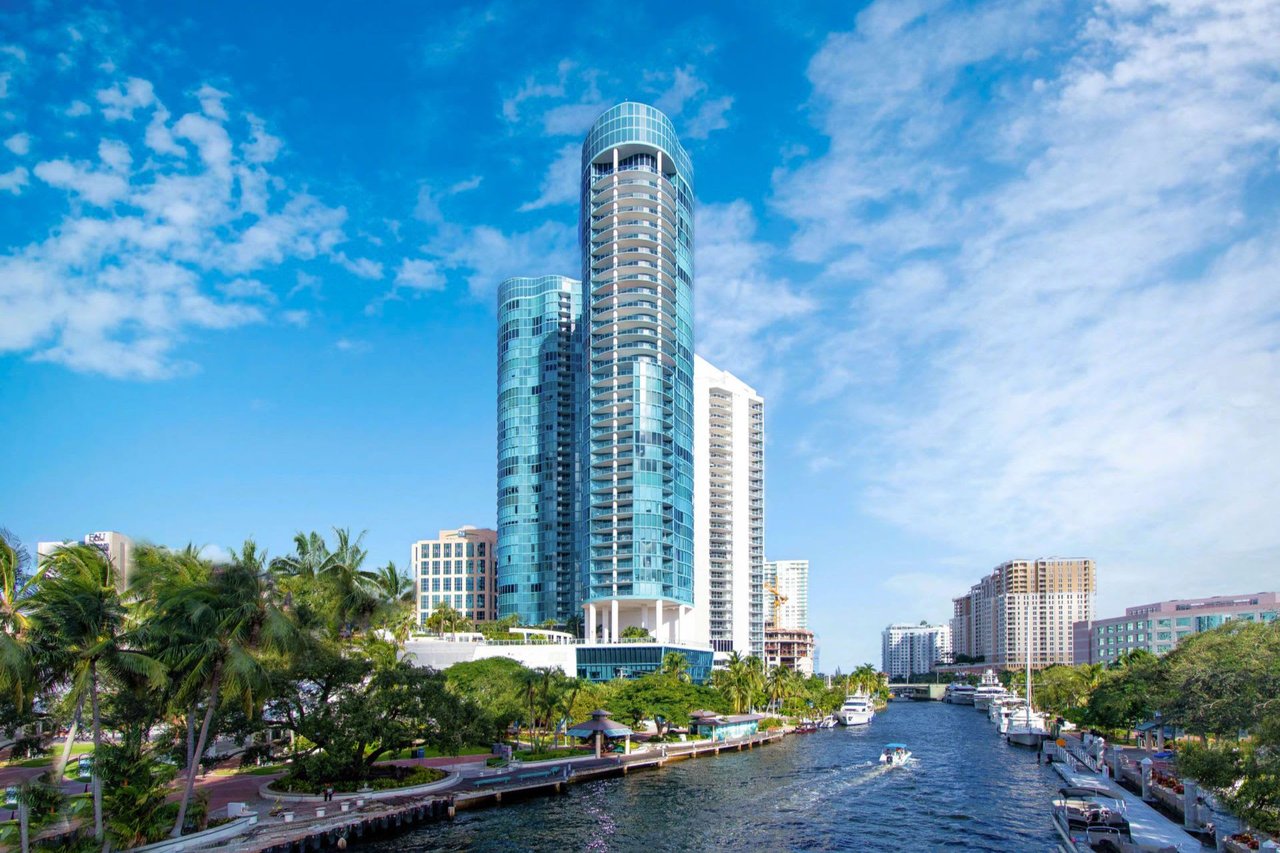
None of these numbers are fabricated. All three exist right now, attached to the same 39-story, 216-unit tower completed in 2005. The gap between them is the actual story, and it matters more to a buyer than any single figure could.
Same Tower, Same Page, Different Math
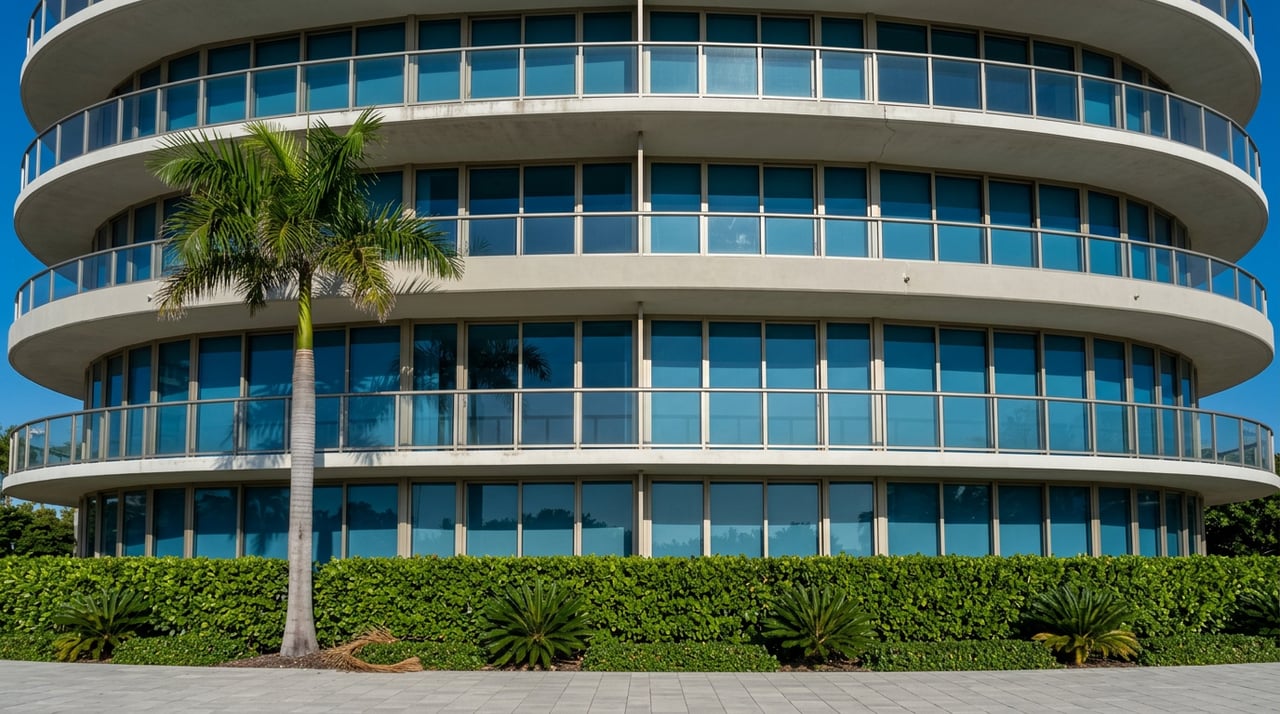
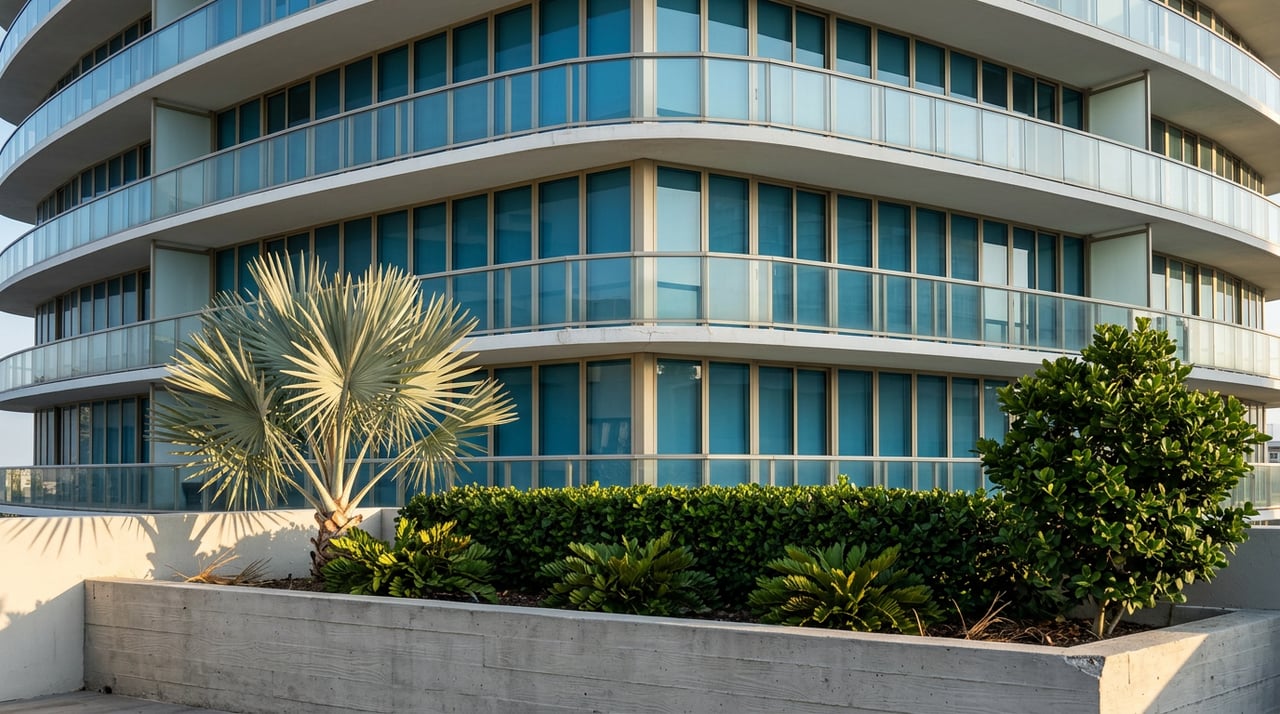
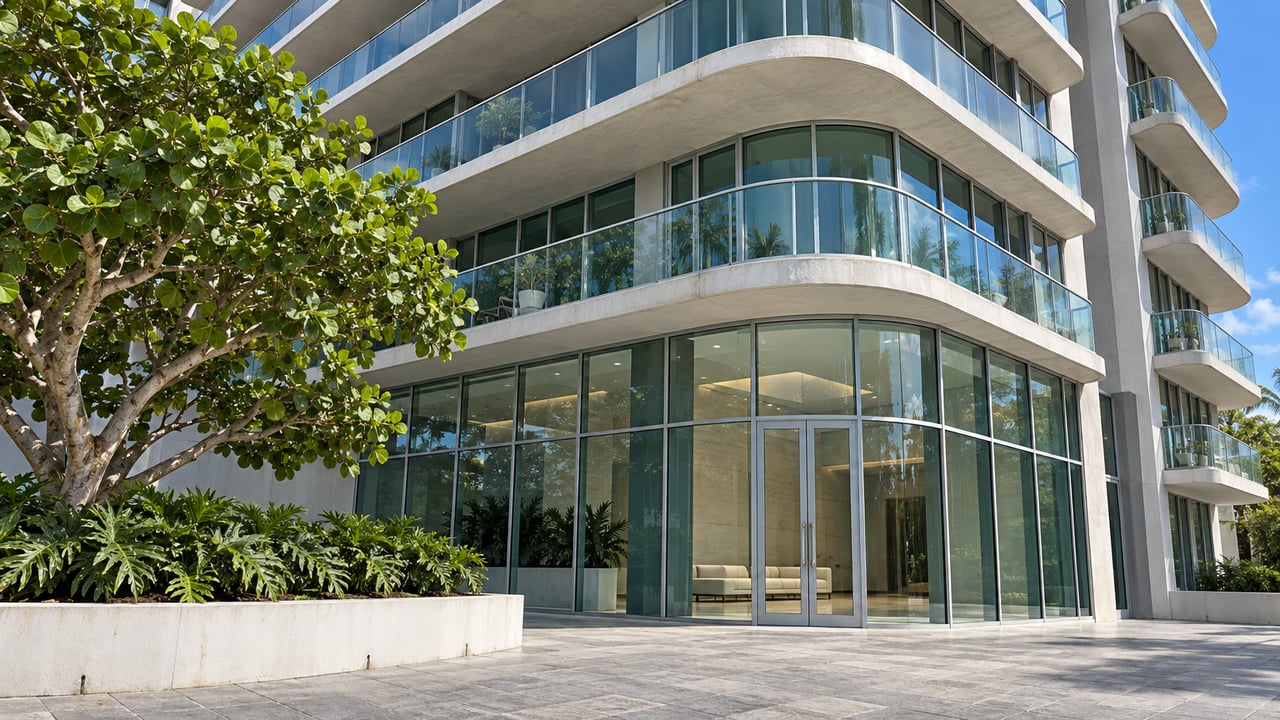
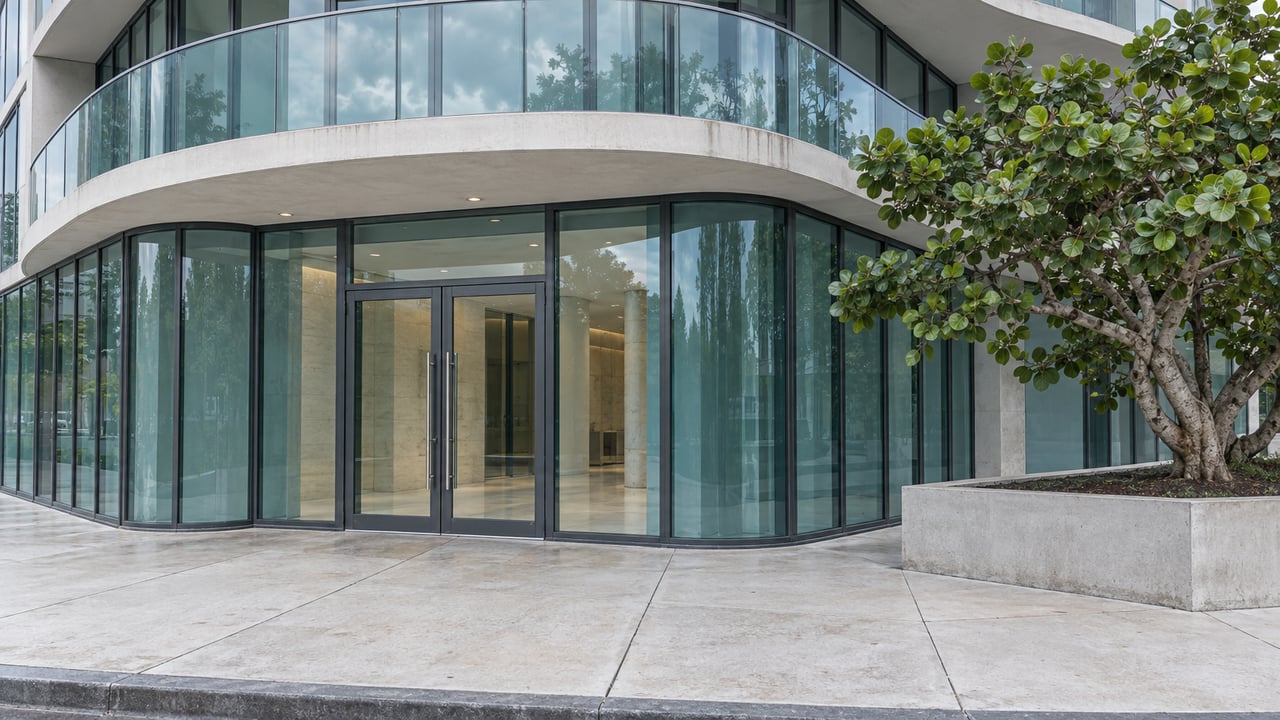
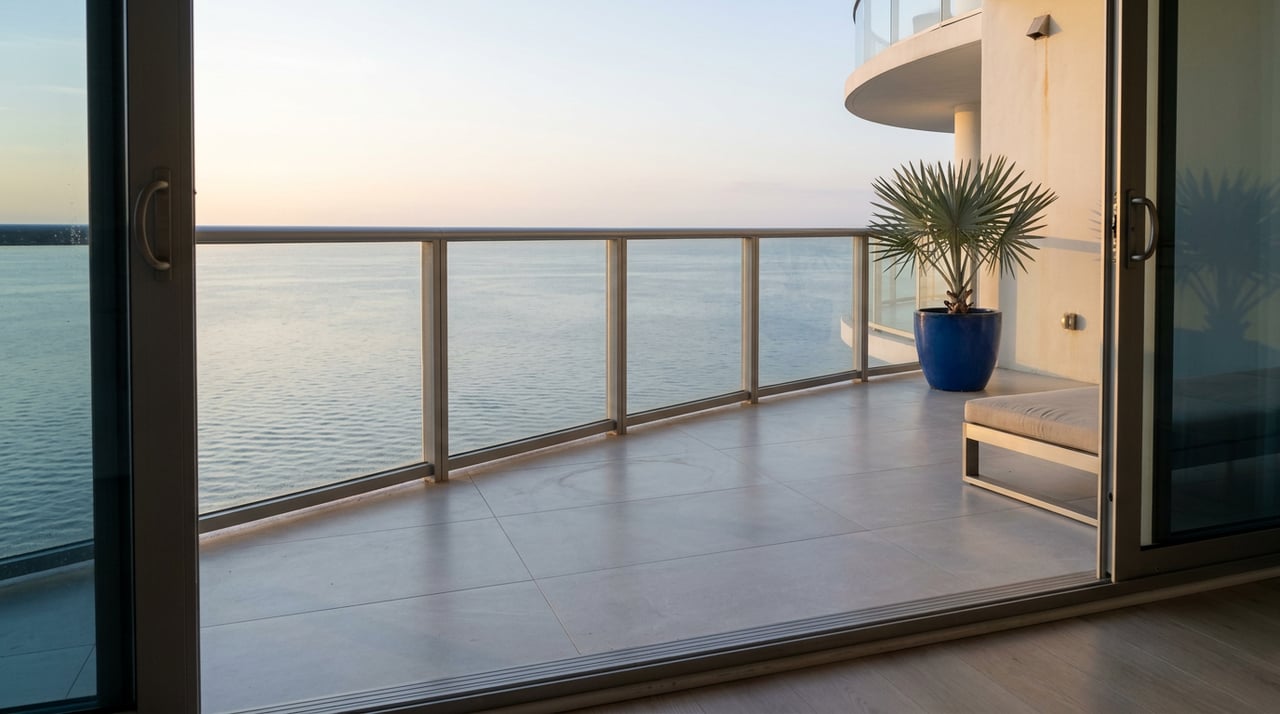
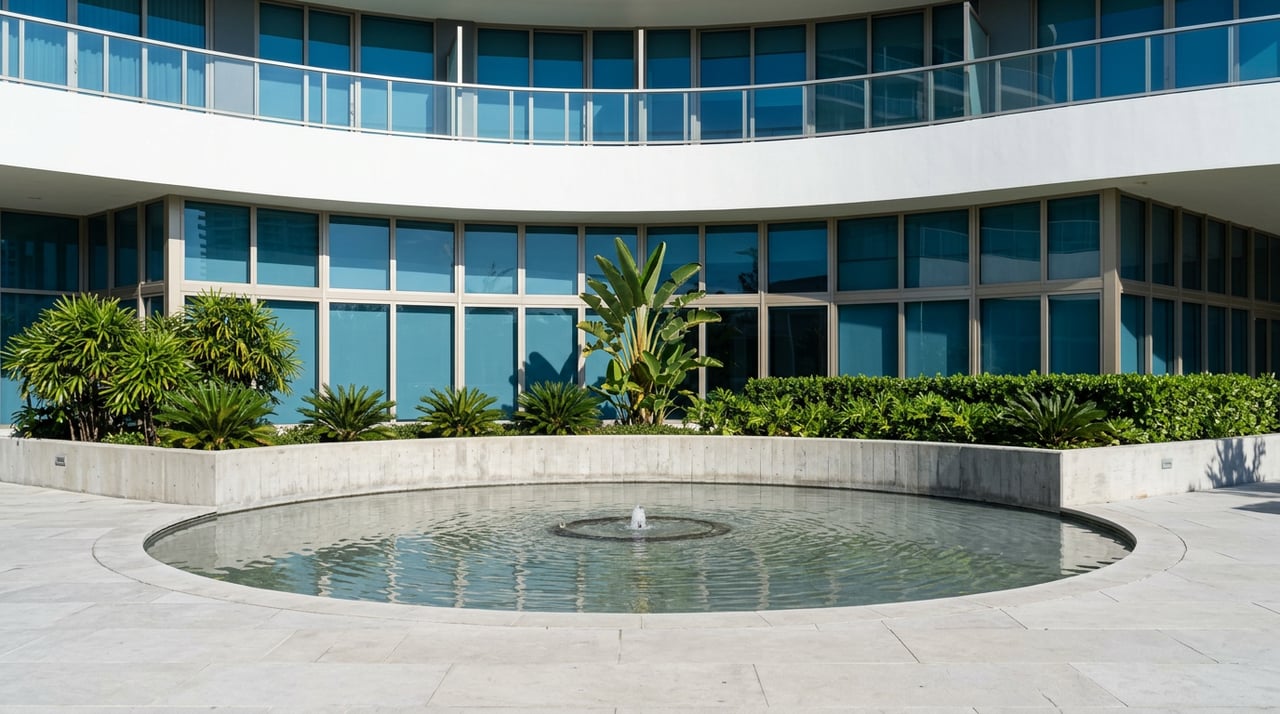
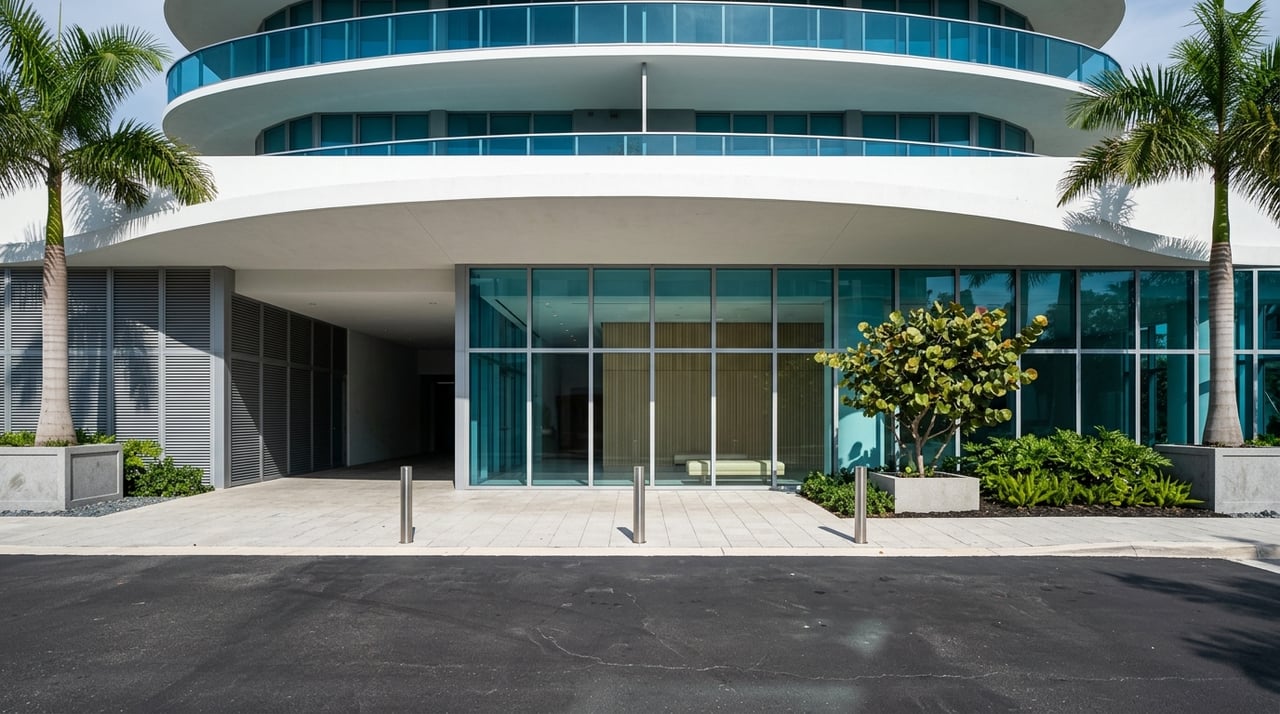
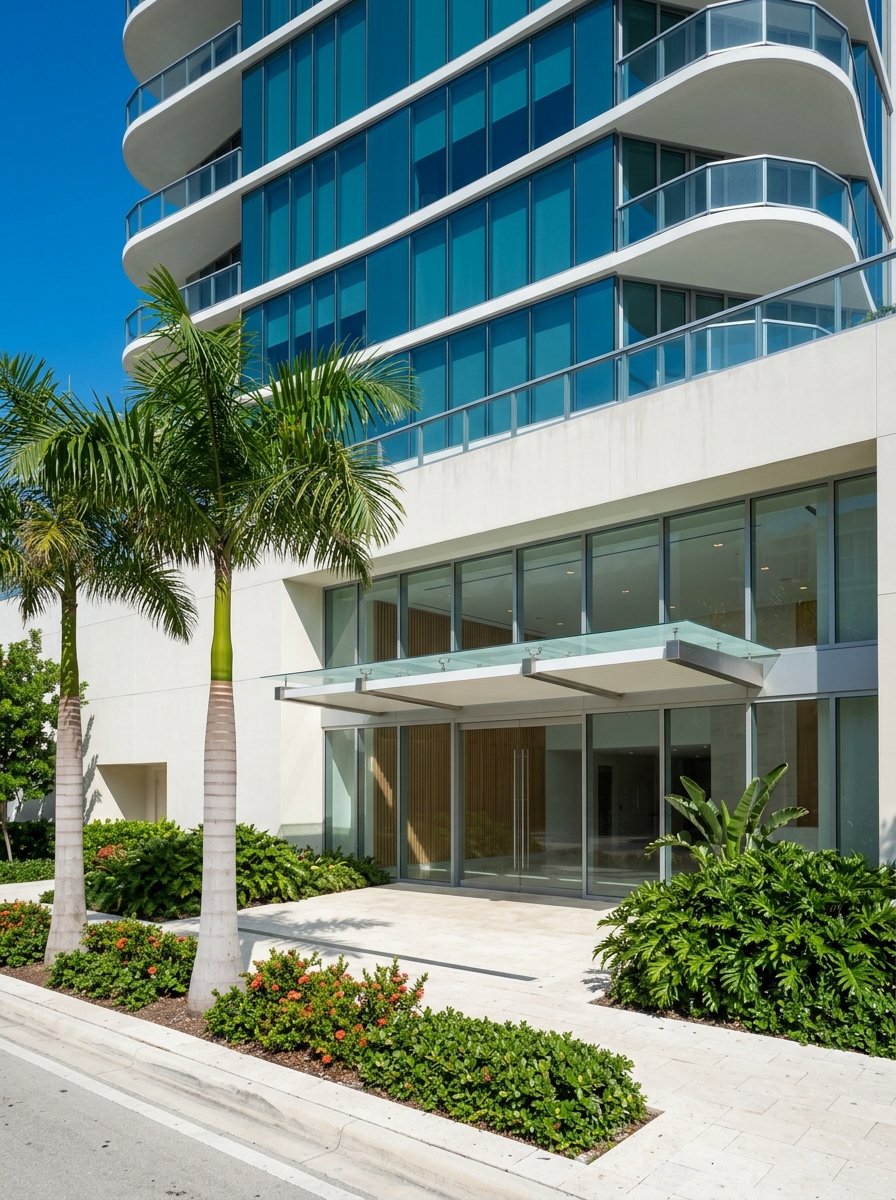
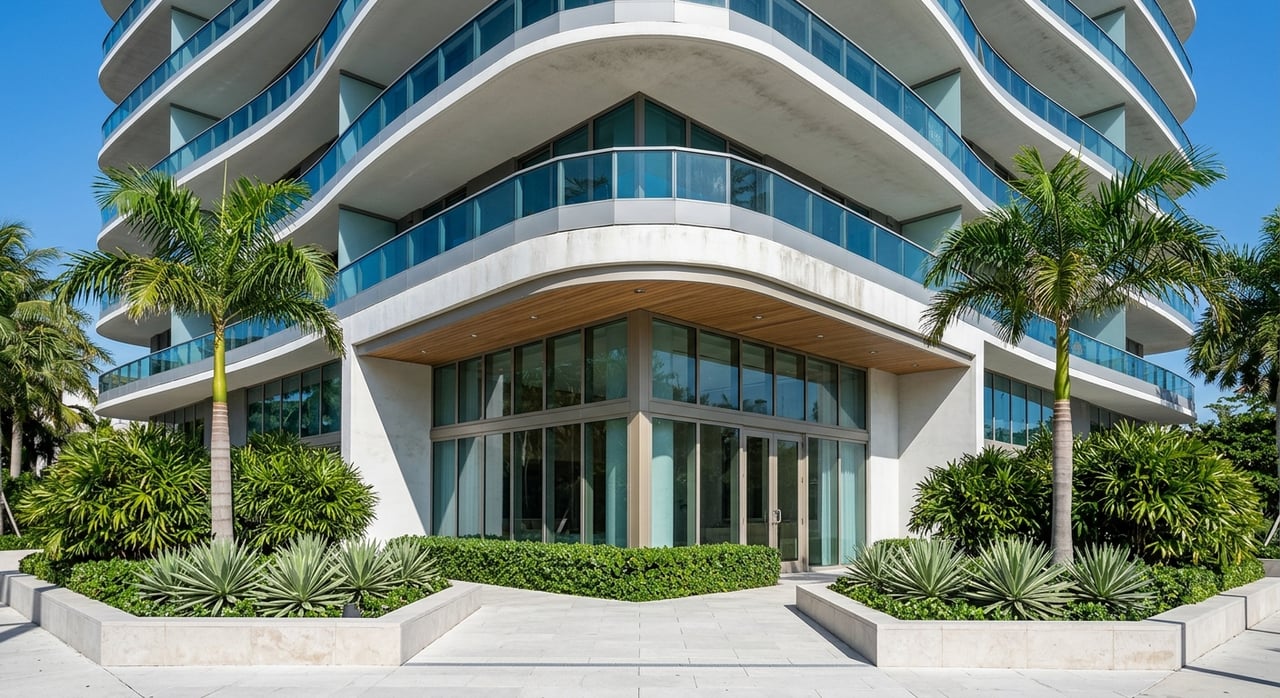
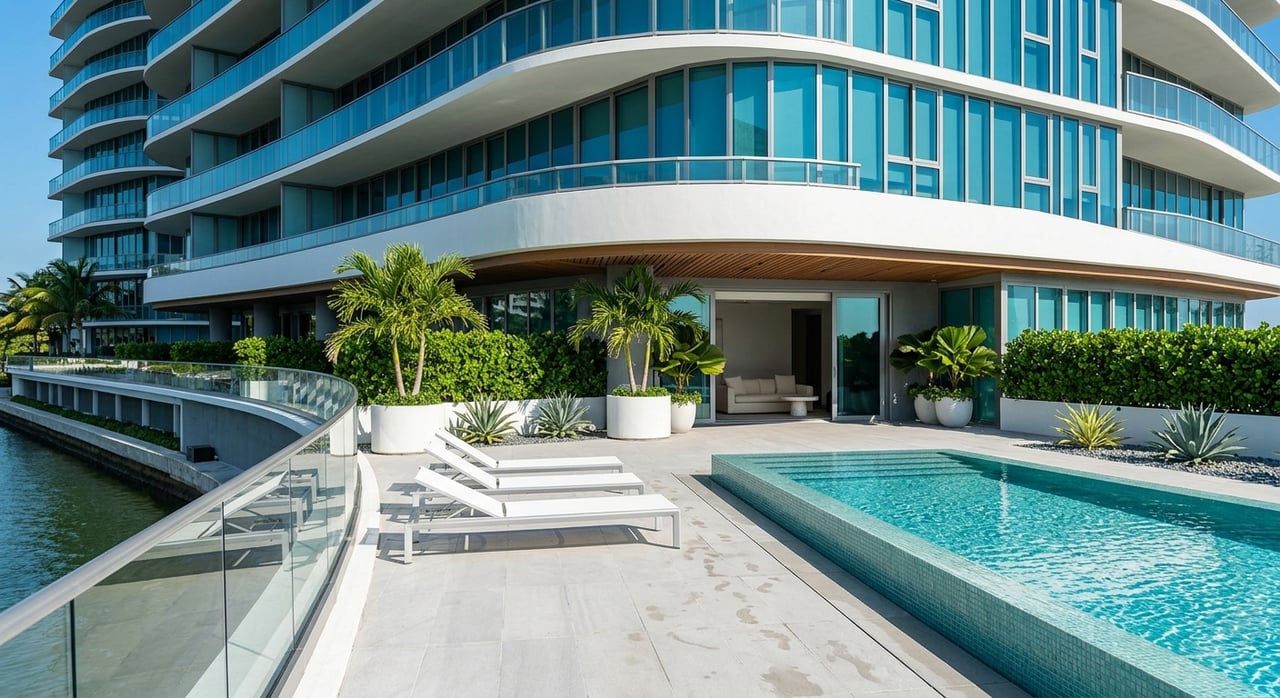
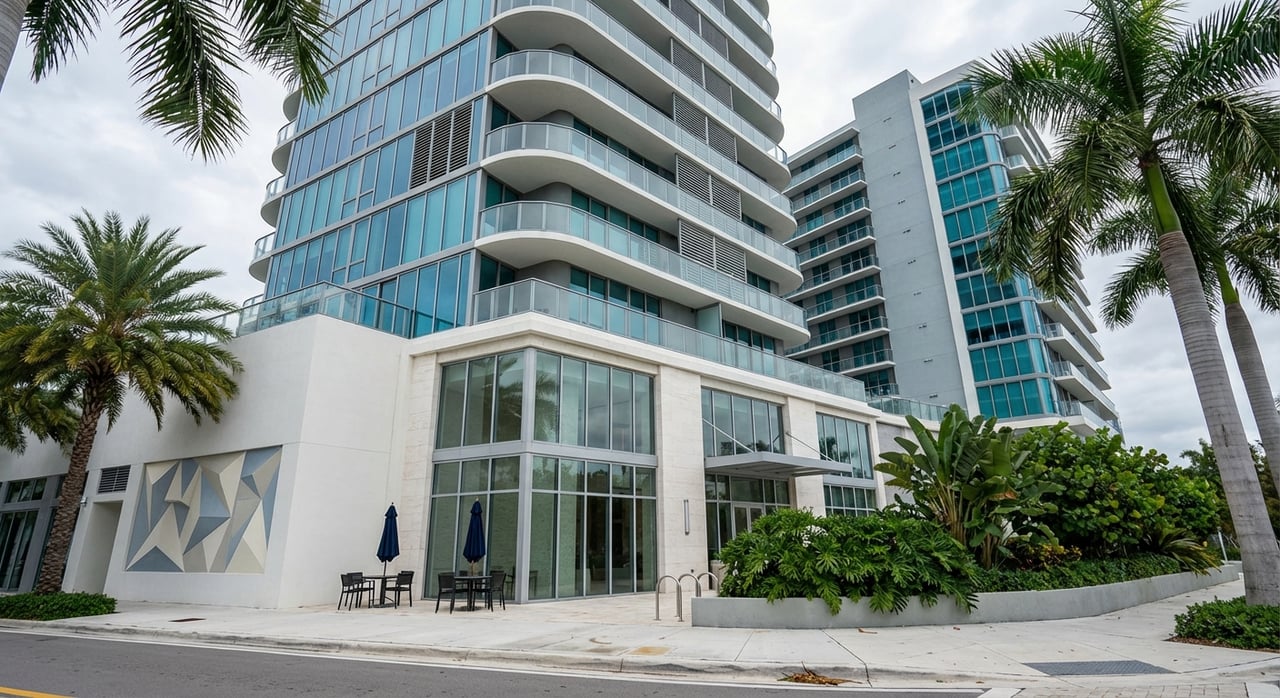
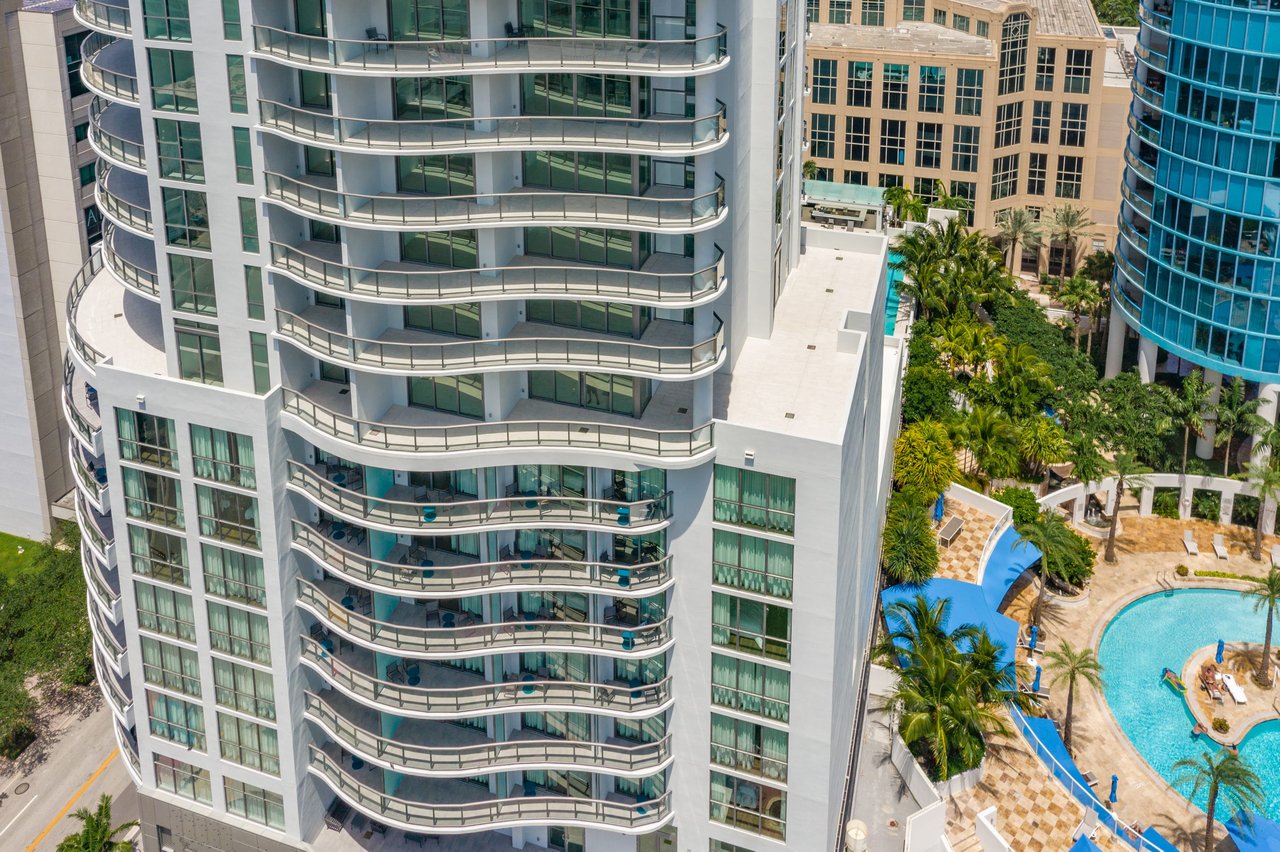
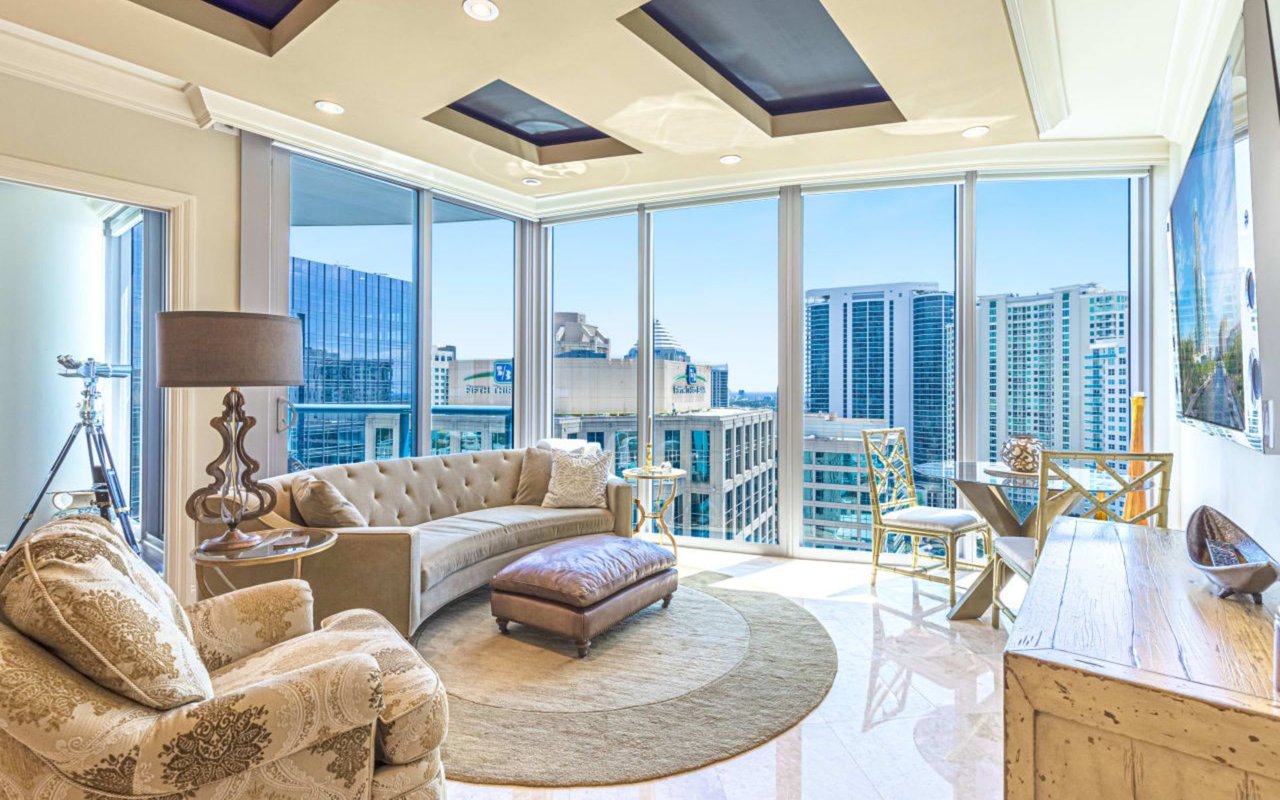
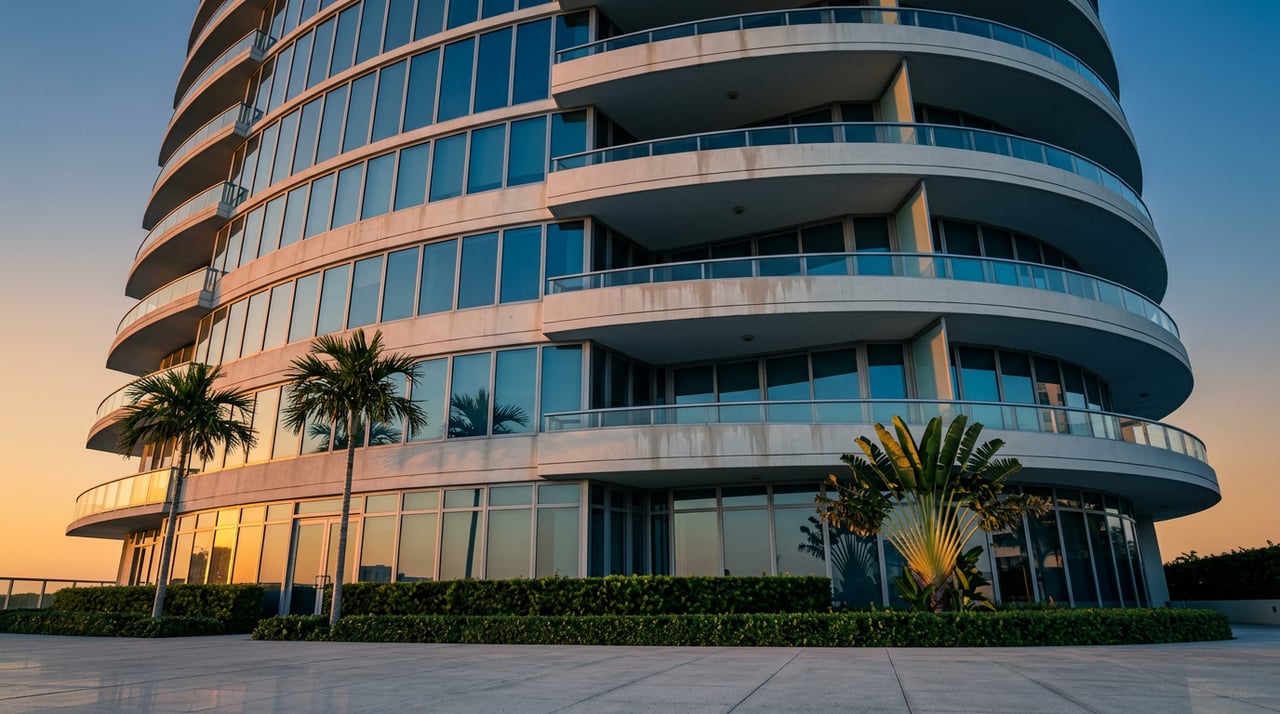
Las Olas Grand's curved facade and floor-to-floor balconies wrap a building that spans an unusually wide range of unit sizes. A two-bedroom unit at 1,630 square feet sits in the same association as a two-bedroom at 2,110 square feet, and both sit alongside four-bedroom penthouses stretching past 3,700 square feet.
When a listing aggregator reports "the HOA fee at Las Olas Grand," it is not describing one number. It is describing whatever spread of active listings happened to be online the day the page was scraped. A week where more penthouses are listed pushes the top of the range higher. A week where more of the smaller two-bedrooms are on the market pulls the bottom down. The range moves because the inventory moves, not because the building's actual cost structure changed.
That is useful information, but it is also a warning. A buyer comparing "HOA fee ranges" across three condo towers on Las Olas Boulevard is not comparing apples to apples. They are comparing whatever units three different websites happened to be tracking on three different days.
The $425 Outlier
The square-footage explanation covers the spread between $1,700 and $5,700. It does not explain the $425 median. That number sits so far outside the range of any unit actually listed for sale in Las Olas Grand that it cannot describe the same population of units the portals are pulling from. It likely reflects a different slice of the association's data, a stale record, or a methodology that has nothing to do with what a current owner actually pays.
The point is not to figure out which of the three reported estimates is closest to correct. The point is that a lender underwriting a loan, a title company preparing for closing, and a buyer's own monthly budget cannot run on a number pulled from a scrape. All of them are estimates built for browsing, not for closing.
The Number That Actually Binds The Sale
Florida law has already solved this problem, and it has nothing to do with any listing site. Under Florida Statute 718.116(8), every condominium association in the state must produce an estoppel certificate before closing, and that certificate is the only fee figure that carries legal consequences.
The certificate has to answer nineteen specific questions in a standardized format: the current regular assessment and how often it's charged, the paid-through date on the seller's account, any special assessment that has already been approved or levied along with the remaining balance and payment schedule, any transfer or capital contribution fee due at sale, the name of the association's master insurance carrier, whether the unit or the association is facing litigation, and whether any rule violation is on file against the unit. Once the association issues this document, the figures inside it are binding. A buyer who closes based on a certified estoppel cannot be told afterward that the real number was higher.
The timeline and cost are also fixed by statute, not left to negotiation:
| Request Type | Statutory Cap |
|---|---|
| Standard delivery (10 business days) | $299 |
| Delinquent account add-on | +$179 |
| Expedited delivery (3 business days) | +$119 |
If the association misses its 10-business-day window, it loses the right to charge anything for the certificate at all. That deadline gives a buyer real leverage if a closing gets held up waiting on paperwork.
What To Actually Request Before You Write An Offer
A buyer who has only seen a portal's fee range is negotiating with less information than the closing table will eventually require. The fix is simple and it costs almost nothing to put in motion early.
- Ask your agent to request the estoppel certificate the day the contract is signed, not the week before closing. The 10-business-day clock only starts once someone asks in writing.
- Request the association's most recent approved annual budget alongside the estoppel. The budget shows you the operating and reserve line items the monthly fee is actually funding, not just the total.
- Confirm the specific unit's percentage ownership interest in the declaration so you can calculate its share of the total budget yourself, rather than relying on someone else's average across the whole building.
- Ask specifically whether any special assessment has been approved but not yet levied. The estoppel only has to disclose what is approved or already in force at the moment it's issued, so a board vote scheduled for next month may not show up yet.
- Match the insurance carrier and coverage named in the certificate against what your lender requires for the loan, since a mismatch here can delay closing on its own.
None of this is complicated. It just has to happen earlier than most buyers think to ask for it.
Why This Matters More At A Building Like Las Olas Grand
A tower that opened in 2005 is now old enough that its reserve conversations carry real weight. According to Gabriel Moyers, Florida's structural safety requirements for condominiums three stories and taller apply regardless of how new or well-maintained a building looks from the street, and associations can no longer waive full funding for the structural components those studies cover. That context makes the estoppel certificate even more valuable at a building like this one, because it is where a pending or recently approved special assessment would first become visible to a buyer in black and white, rather than as a rumor from a listing agent.
Our own guide to Fort Lauderdale condo HOA fees covers the broader downtown fee landscape and the due diligence questions worth asking across any tower in the corridor. This post exists because Las Olas Grand's specific fee discrepancy is large enough, and public enough, that it deserved its own answer.
A Few Direct Answers
How fast can I actually get the estoppel certificate? The association has 10 business days after a written request. Paying the $119 expedite fee cuts that to 3 business days.
Does it cover special assessments? Yes. Any special assessment already approved or levied must be itemized with the remaining balance and the payment schedule, as part of the certificate's required contents.
Can the number change after I receive it? No. Once issued, the certified figures are binding on the association for the certificate's effective period, which is standard protection built into the statute itself.
Is the portal fee range worthless, then? Not worthless, just directional. It tells you the rough scale of what owning a two-bedroom versus a penthouse costs in this building. It should never be the number you underwrite a purchase against.
If you are comparing Las Olas Grand against other towers on the New River and want the actual documents rather than another averaged estimate, D'Angelo Realty Group has spent more than two decades inside these buildings and can pull the real numbers before you write an offer. Request a Free Condo Market Valuation and we'll walk the building's current financials with you line by line.
This article is general information, not legal, tax or financial advice. Consult a qualified professional about your situation.