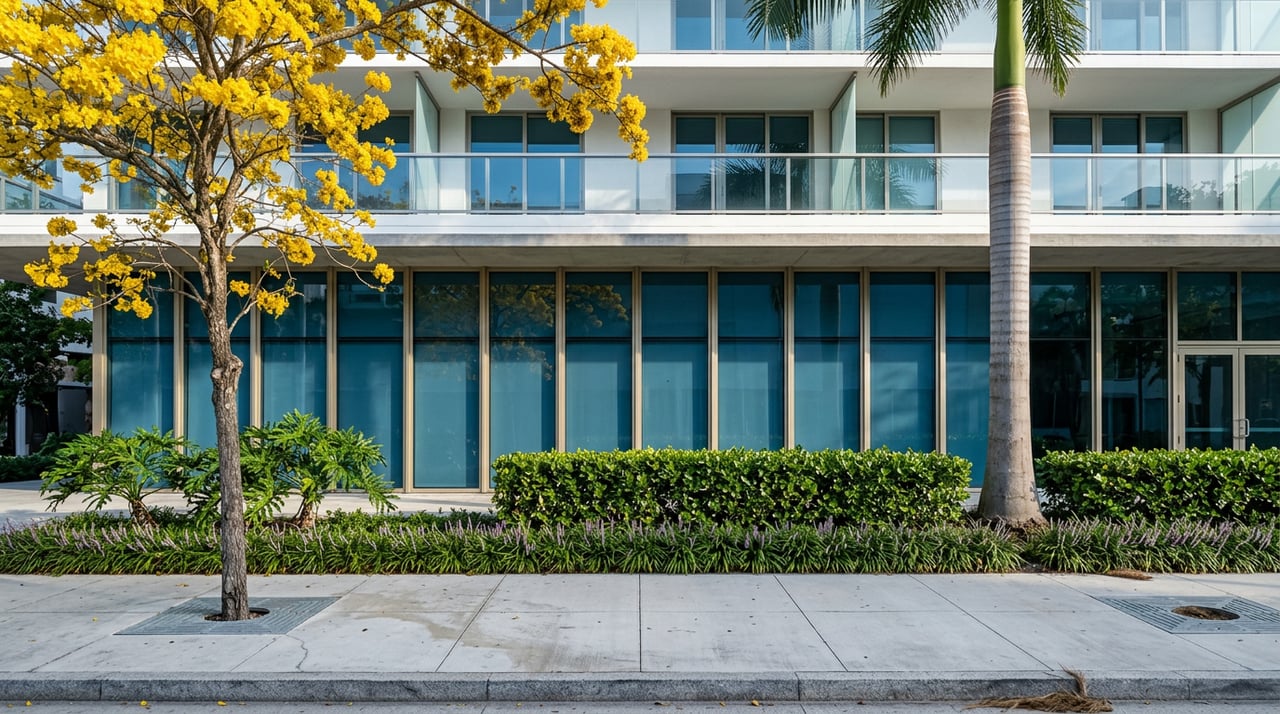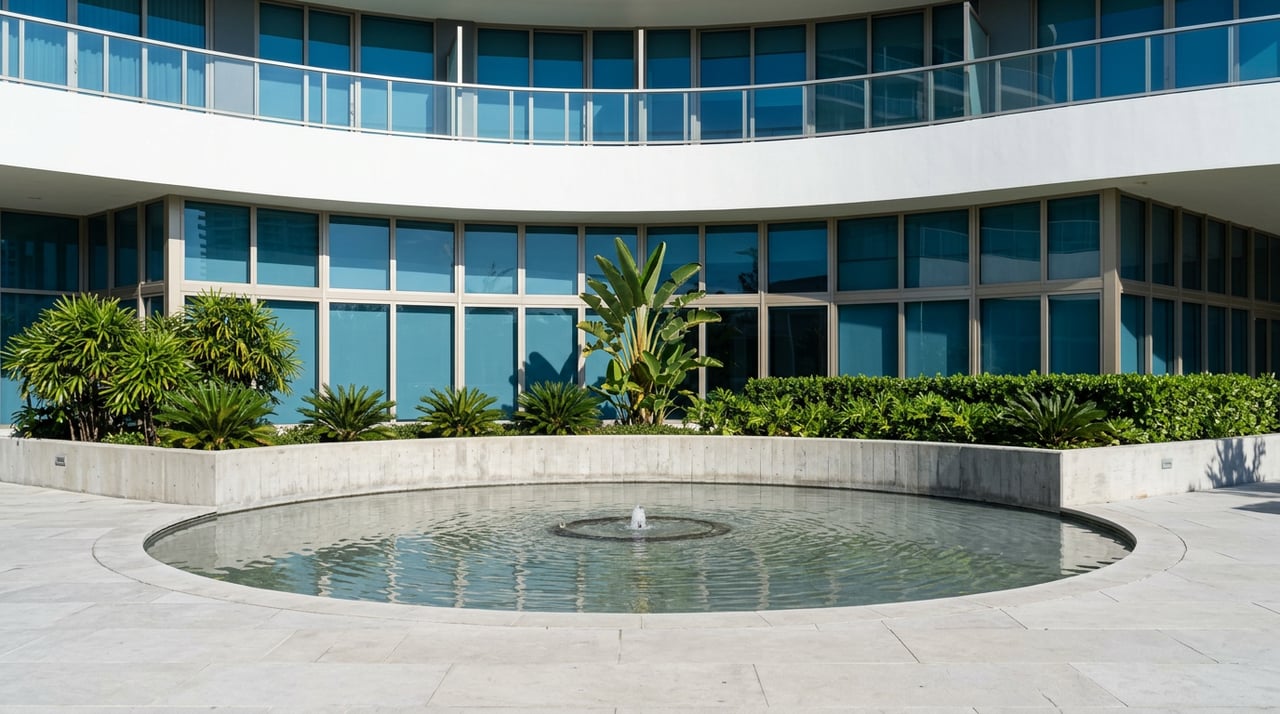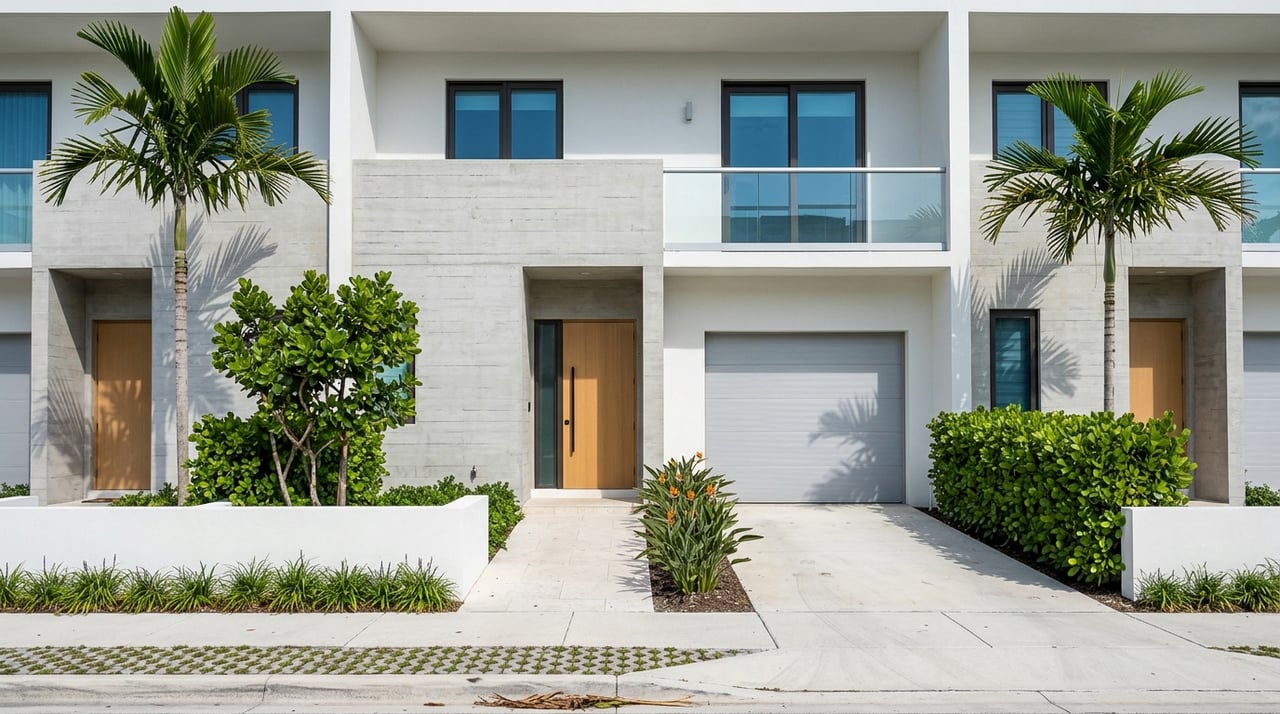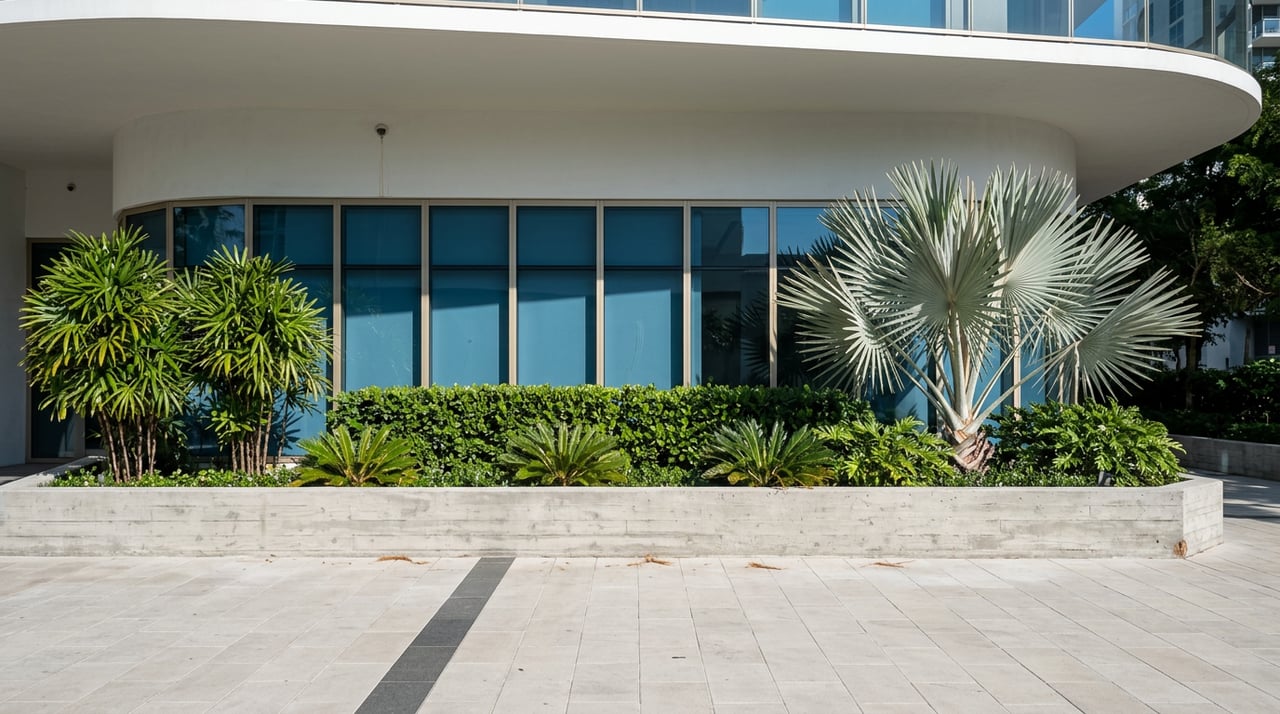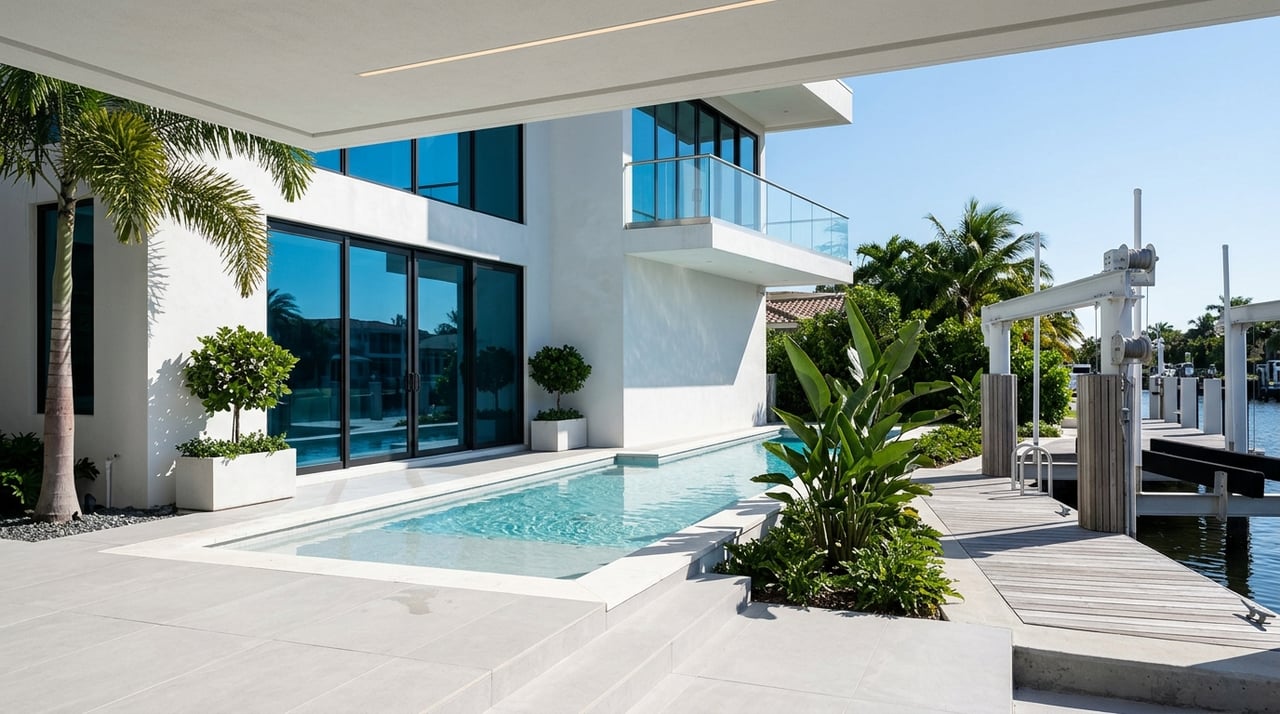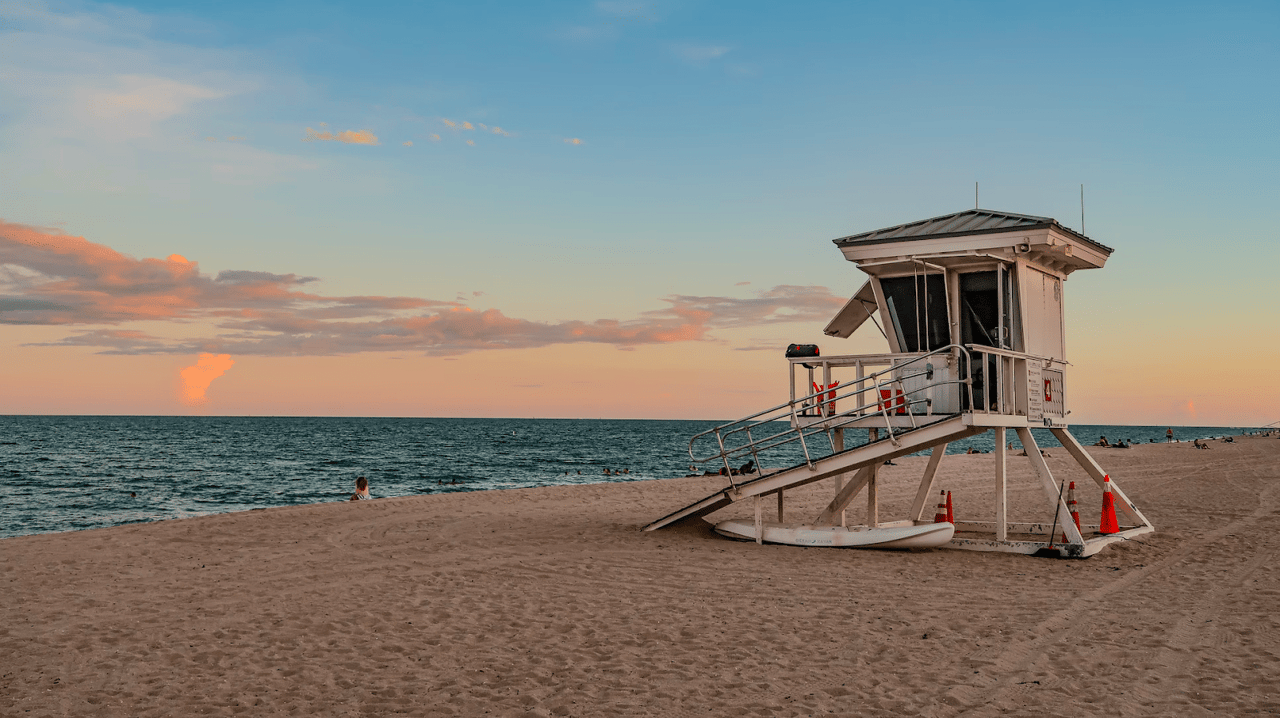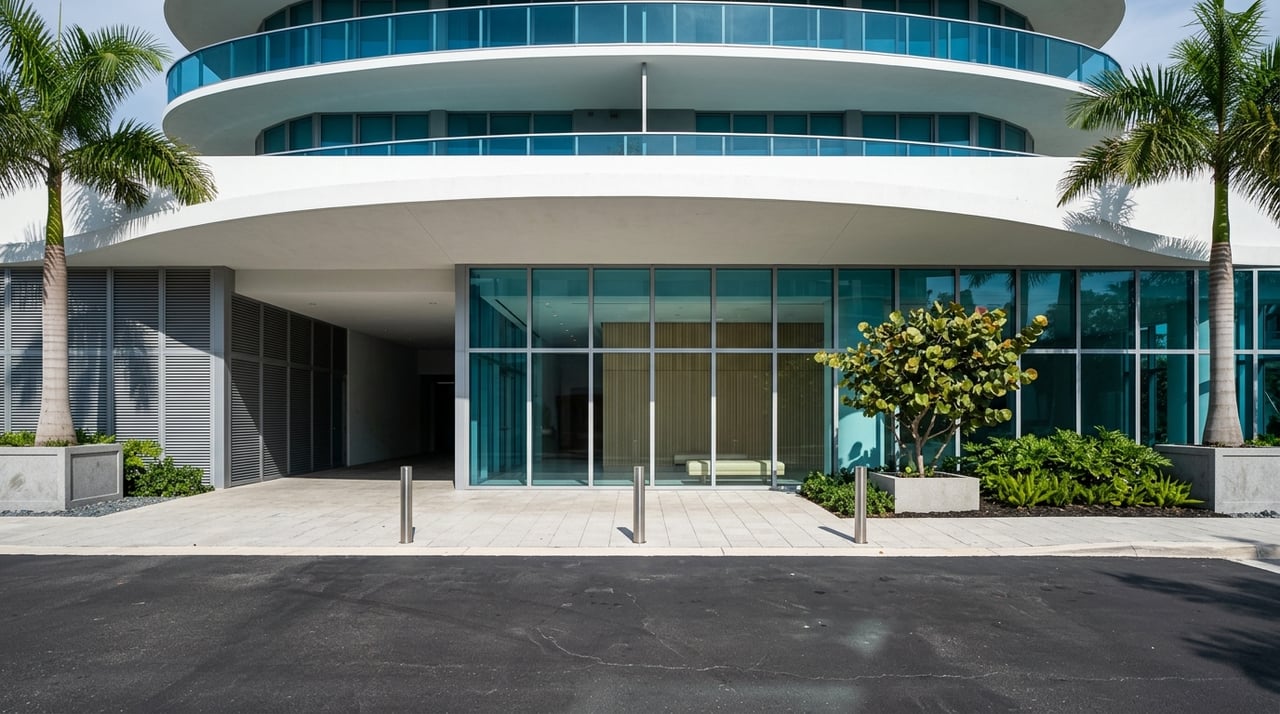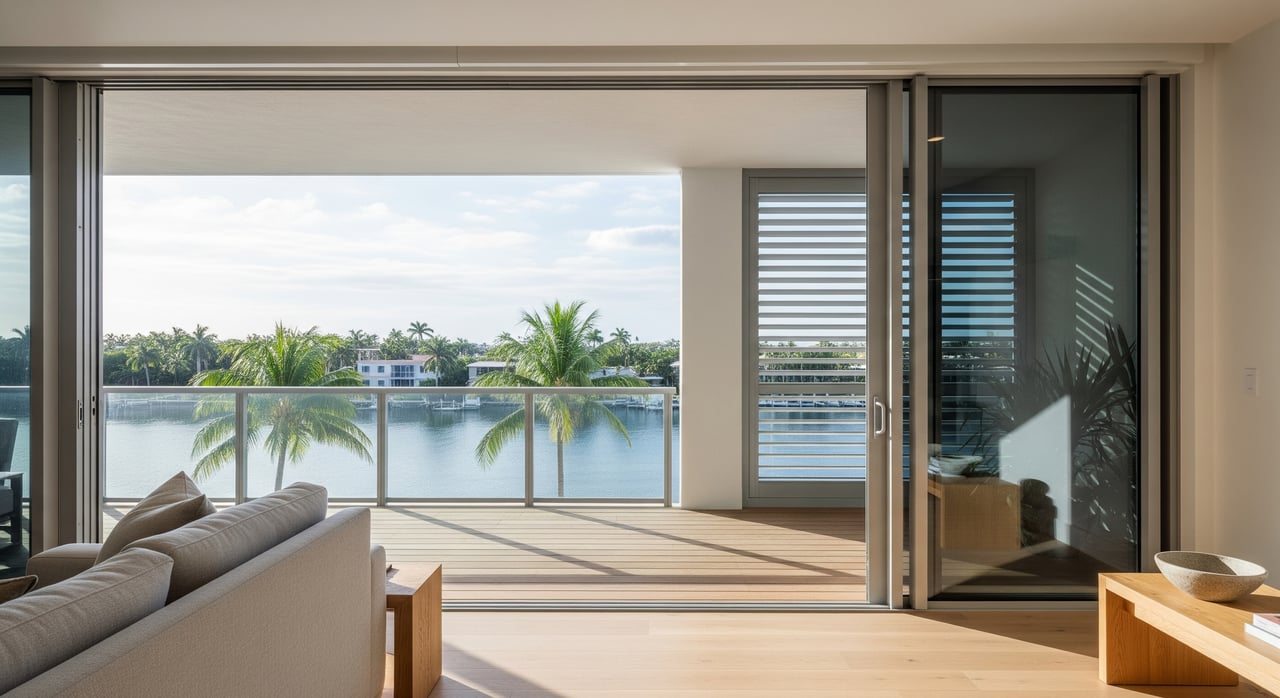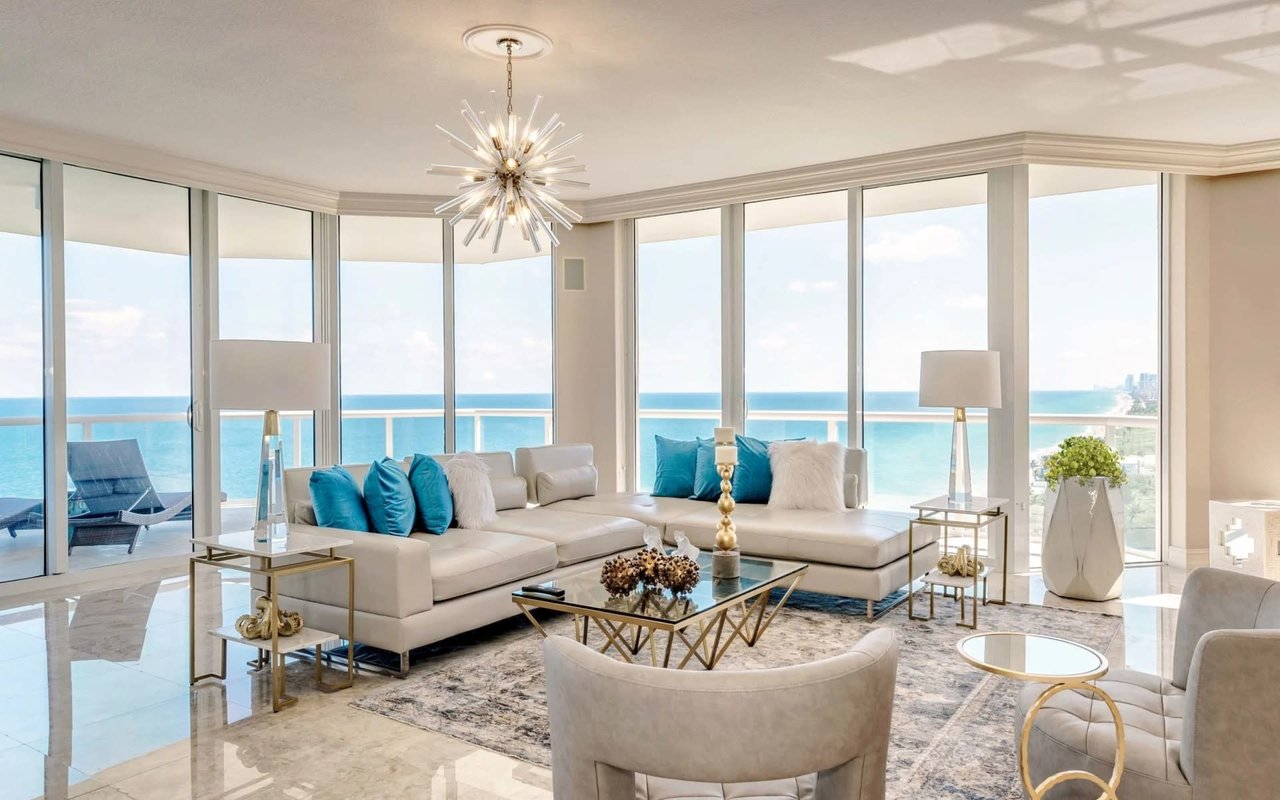
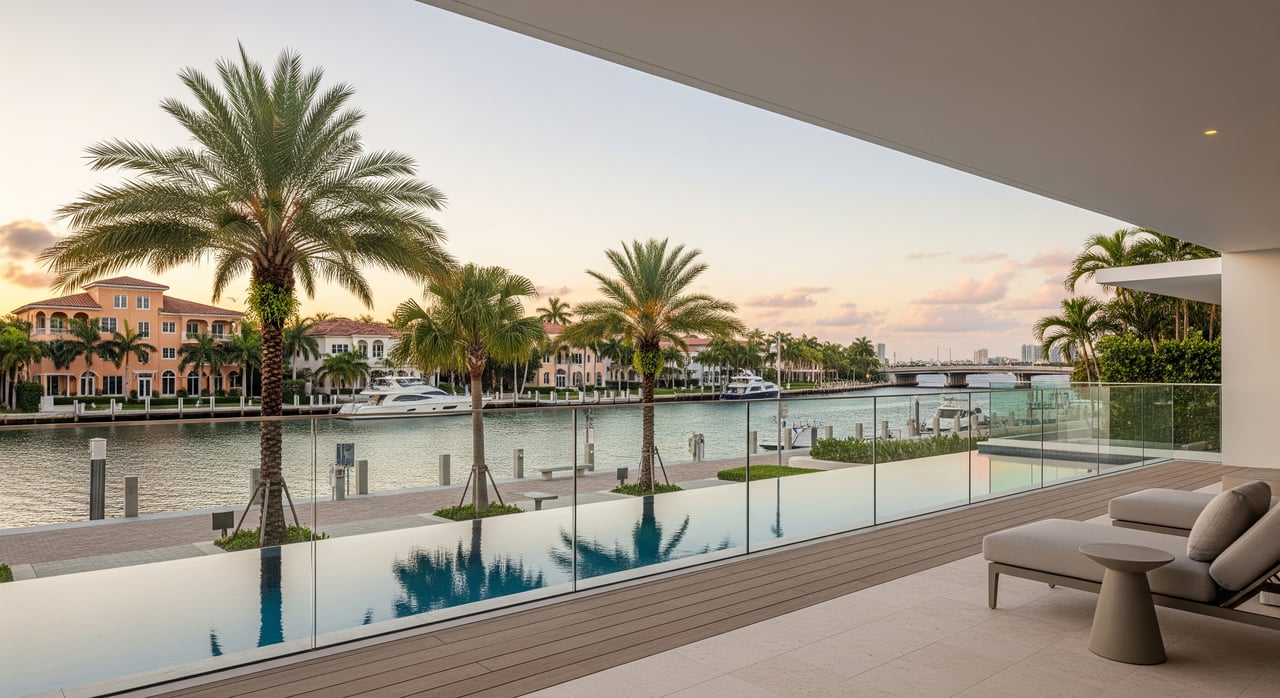
Thinking about trading a suburban yard for skyline views and strolls by the water? If you love walkable streets, dining at your doorstep, and easy access to arts and boating, the Las Olas Riverwalk lifestyle may fit you well. You want a clear picture of daily life, costs to plan for, and how condo living here actually works. This guide breaks down what it feels like to live along the Riverwalk in downtown Fort Lauderdale and what to consider as a buyer. Let’s dive in.
Life along the Riverwalk
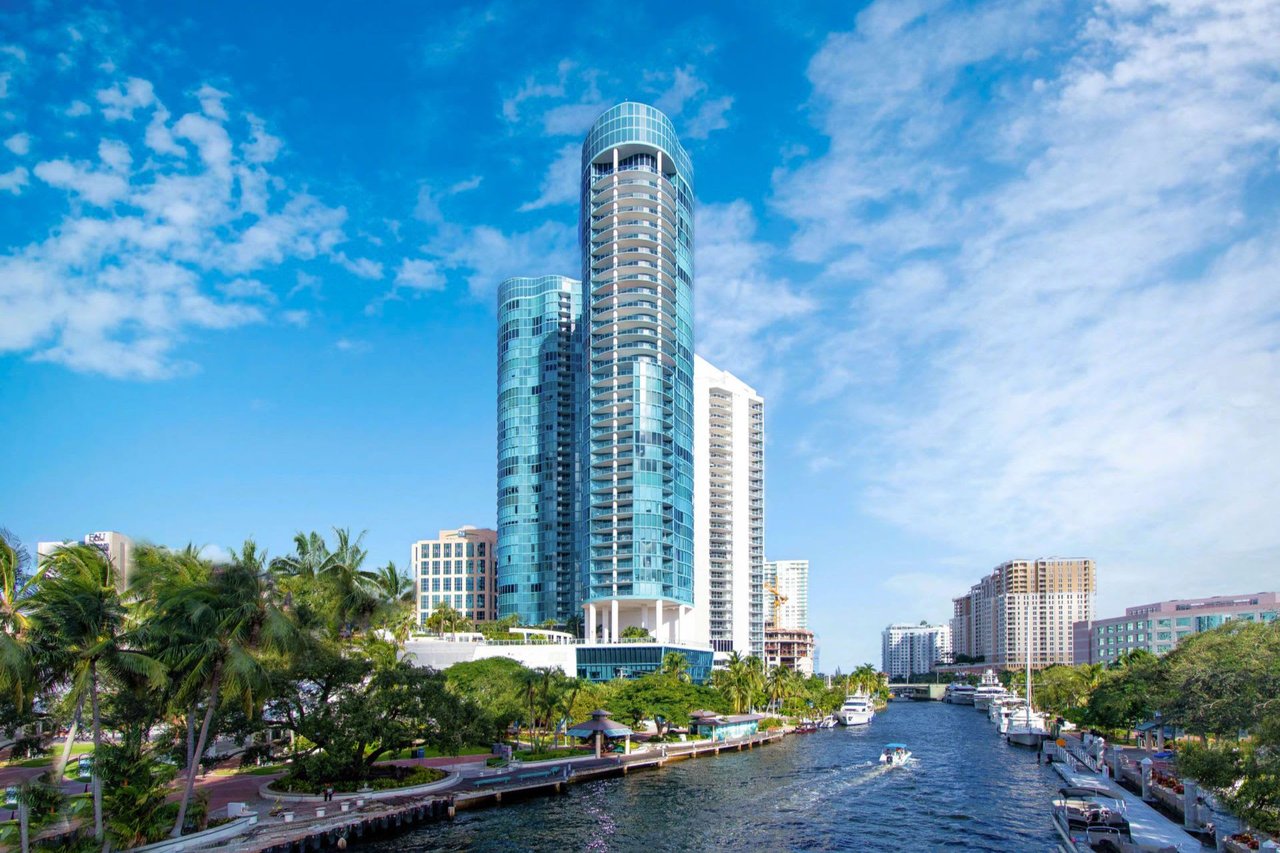
Living by the New River centers your day around water, sidewalks, and skyline. You can start with a morning walk or jog on the Riverwalk, grab coffee on Las Olas Boulevard, and run quick errands on foot. Many residents work from home or from building business centers, then meet friends for lunch at a sidewalk café.
Afternoons can shift to boating or a Water Taxi ride to beaches and marinas, browsing galleries, or boutique shopping. Evenings bring busy sidewalks, dinner on the Boulevard, and performances at downtown venues. Weekends and high season feel livelier, with festivals, boat shows, and fuller restaurants.
Walkability and getting around
On foot and bike
This is one of Fort Lauderdale’s most walkable corridors, with short distances between dining, cultural venues, marinas, and public spaces. Sidewalks and the linear park make walking and running part of daily life. You will find some bike lanes, but streets can be busy, so many people use e-bikes or scooters for short trips.
Transit and water connections
For regional travel, the downtown station for Brightline regional rail connects you to Miami and West Palm Beach. Locally, the Fort Lauderdale Water Taxi offers hop-on, hop-off service along the waterways, which is useful for leisure outings and avoiding street parking. Rideshare is common for quick trips and nights out.
Parking and driving
Most condos include at least one assigned parking space. Guest parking and street parking are limited and often regulated. Metered and monthly public options exist and can be costly during events. Commuting by car to suburban job centers is workable, but expect heavier traffic in high season or during major downtown events.
Dining, arts, and recreation
Dining and nightlife
Las Olas is a dining hub with a wide range of options, from casual cafés to destination restaurants. Nightlife includes wine bars, lounges, and late evening dining. Expect increased noise and foot traffic on weekend nights and during events. For a broad overview of the corridor’s offerings, see the Las Olas dining and culture overview.
Arts and events
You have quick access to cultural institutions in the Arts & Entertainment District. Popular stops include the NSU Art Museum Fort Lauderdale and the Broward Center for the Performing Arts. The calendar features art fairs, street festivals, food and wine events, and seasonal celebrations. The area also activates during boat show season.
Parks, beaches, and fitness
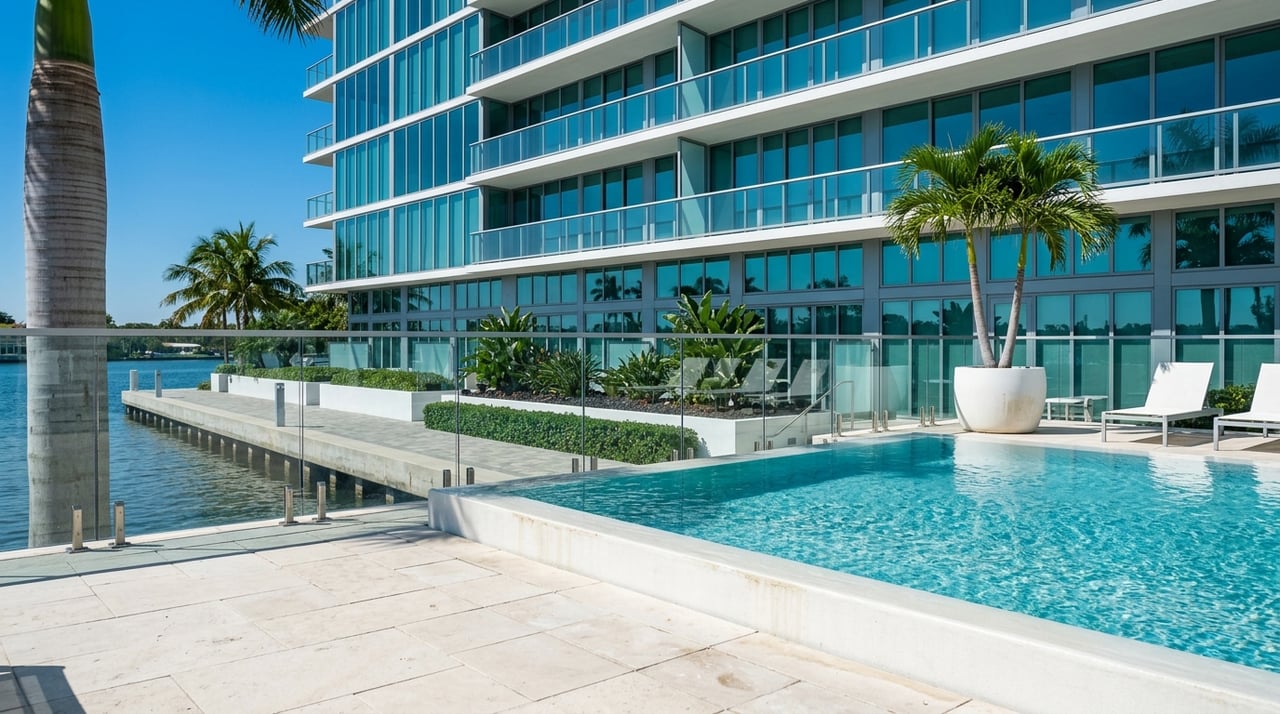
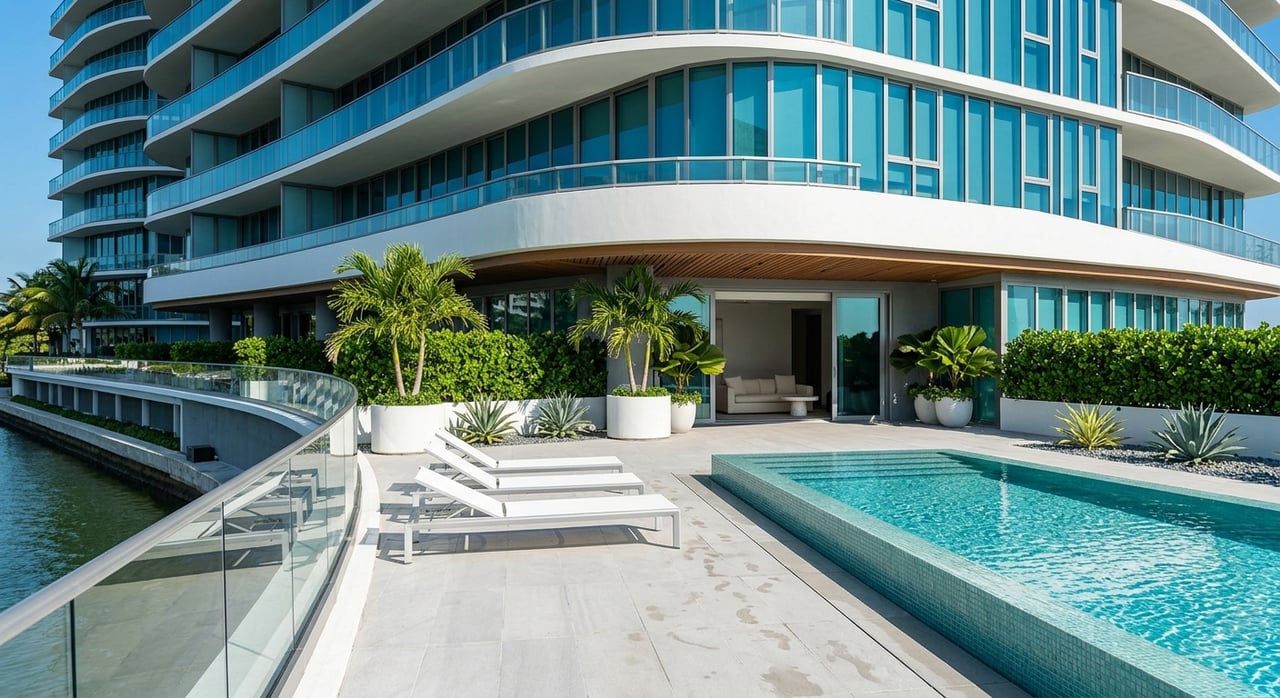
The Riverwalk linear park offers benches, public art, and a path for walking and jogging, with plazas and green spaces along the water. Beaches and parks are a short drive or Water Taxi ride away. Most condo buildings include fitness centers, pools, and social rooms that stand in for private yards.
The boating lifestyle
Access and slips
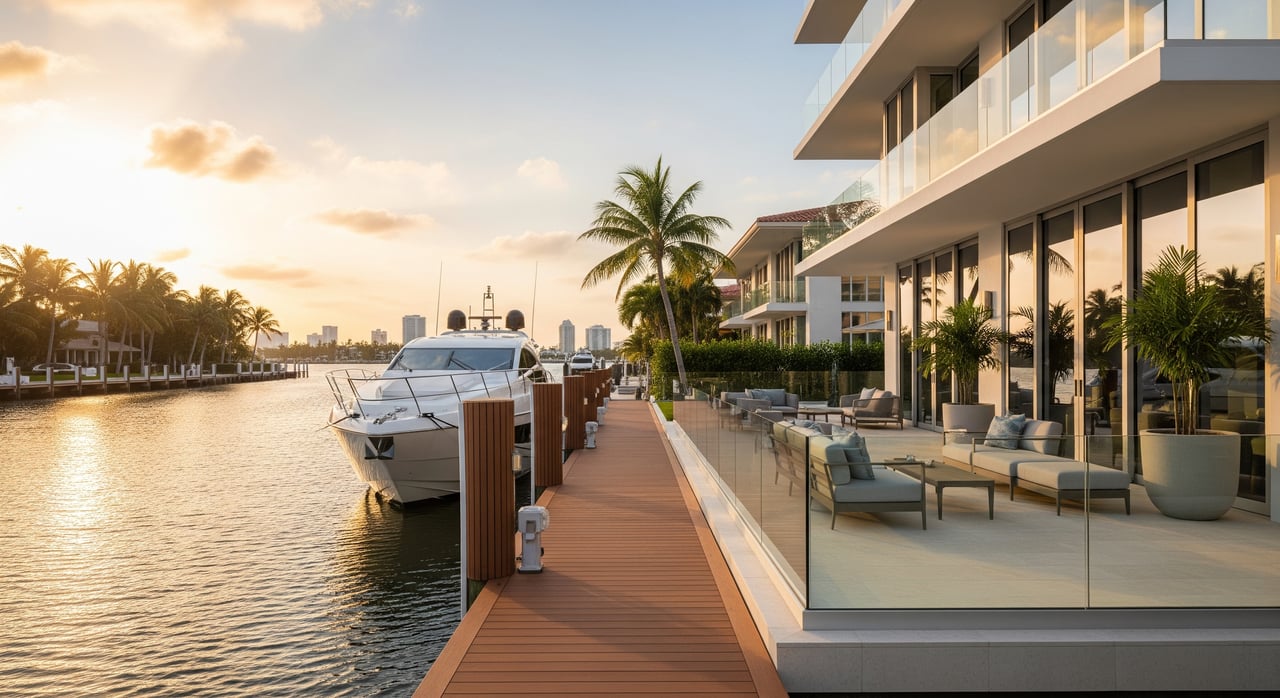
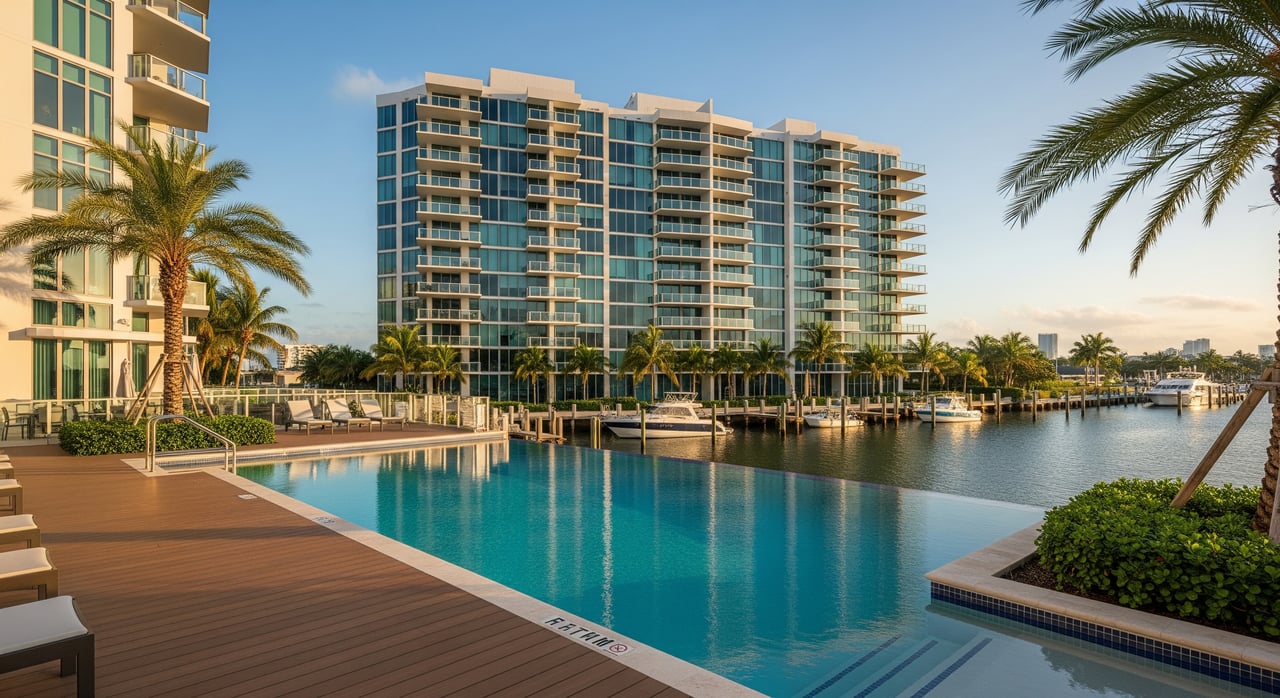
The New River connects directly to the Intracoastal and the Atlantic, which is a draw for boaters. Some buildings offer private slips or access to nearby marinas, but not every unit includes a slip. If boating is a priority, verify slip availability, transfer rules, rental options, marina waitlists, and HOA policies in writing. Docking costs and maintenance can be substantial for frequent boaters.
Water taxi days
You can enjoy the water without owning a boat. The Fort Lauderdale Water Taxi is a practical way to reach restaurants, attractions, and marinas while skipping parking.
Condo living and ownership costs
Typical buildings and amenities
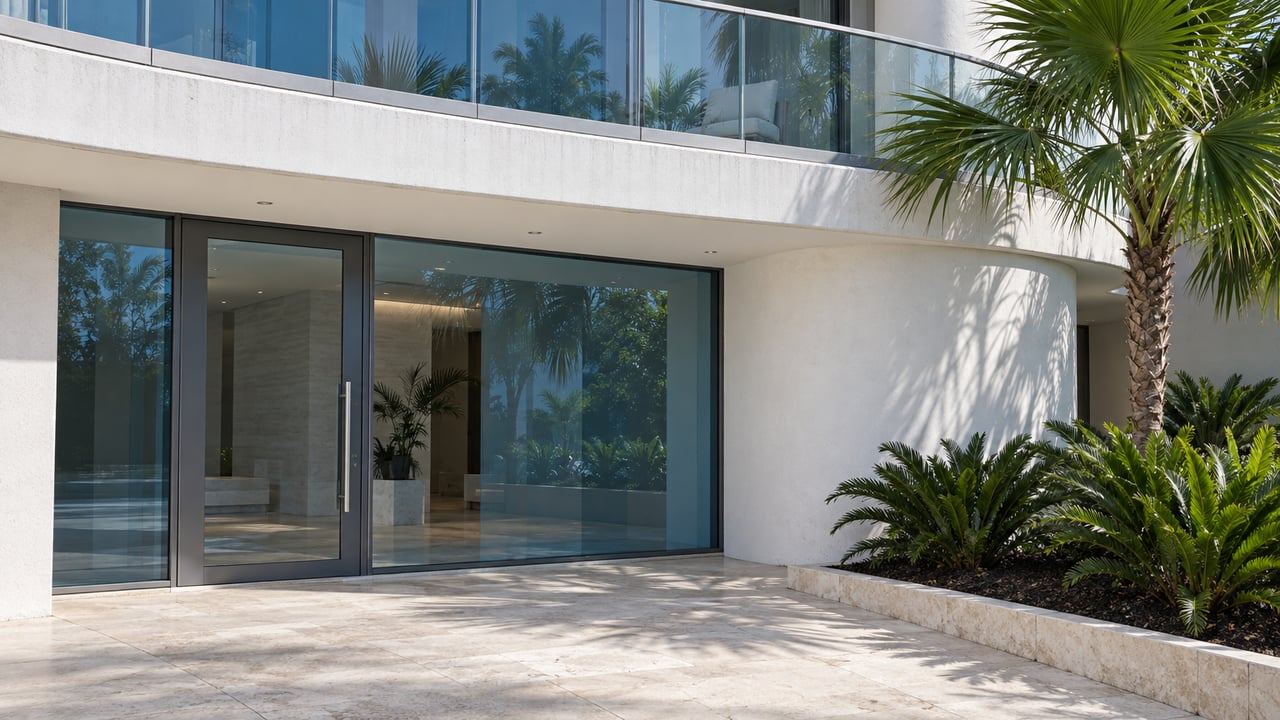
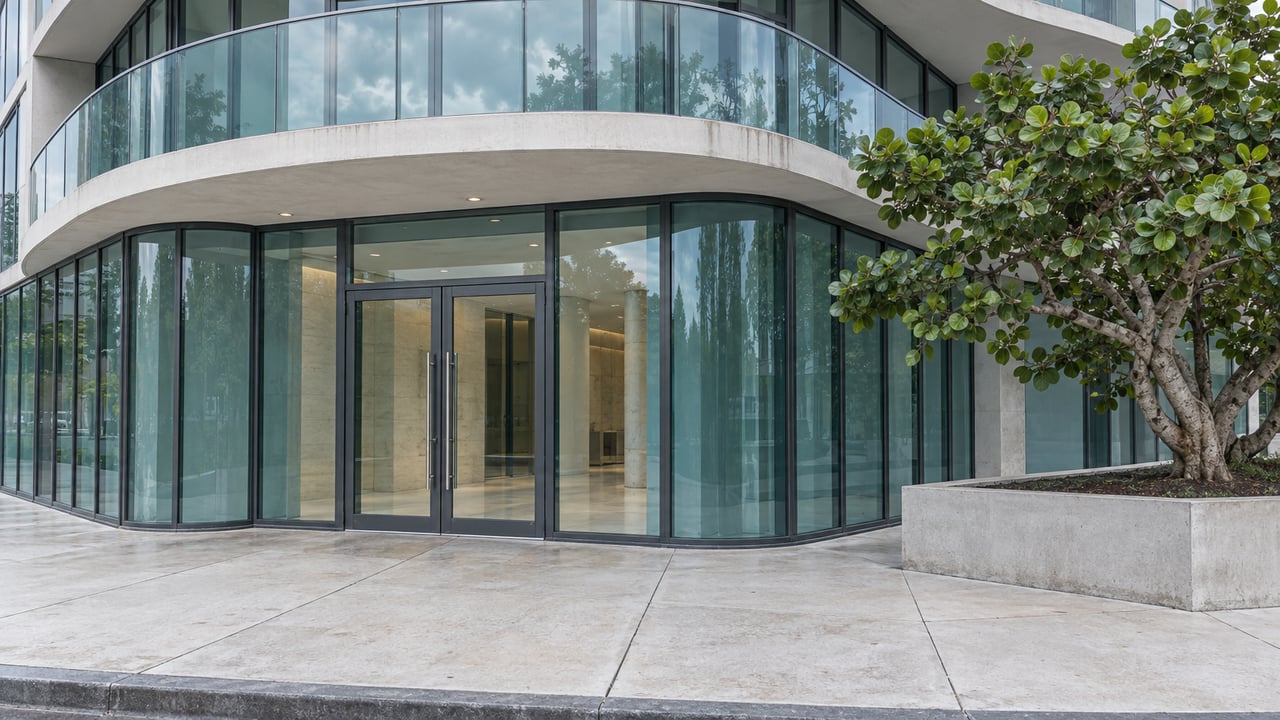
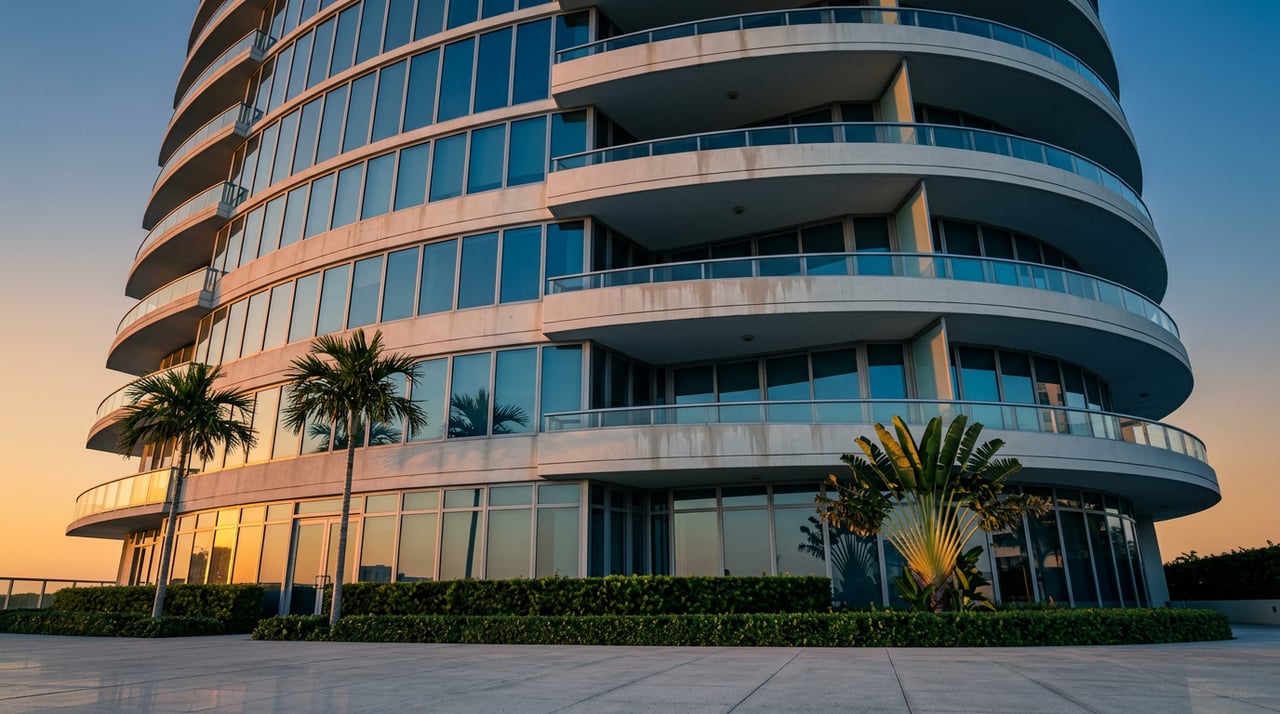
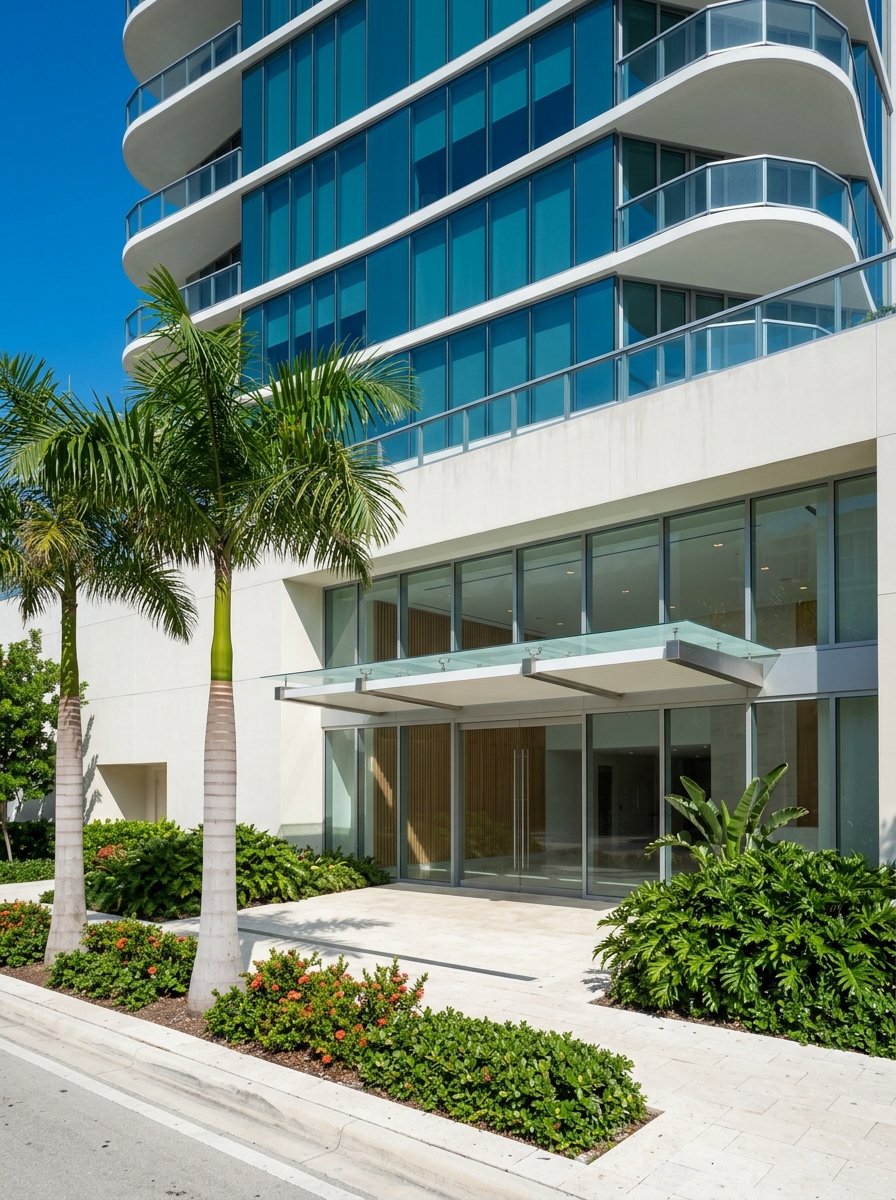
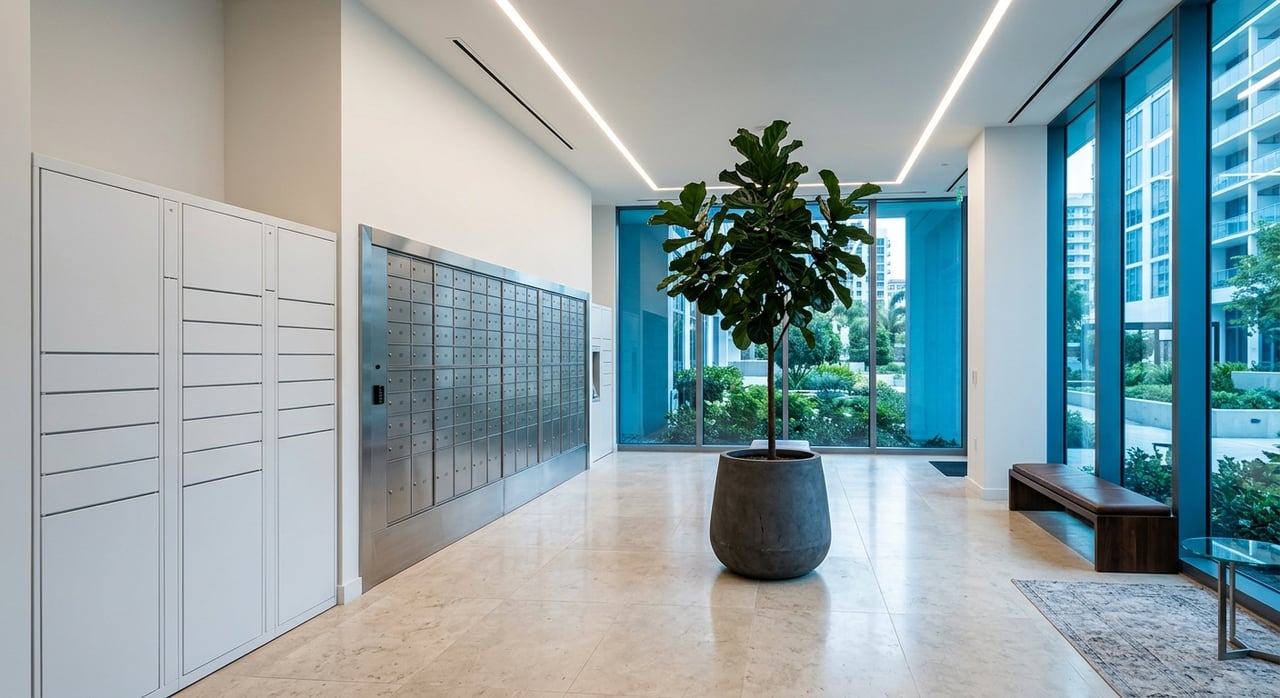
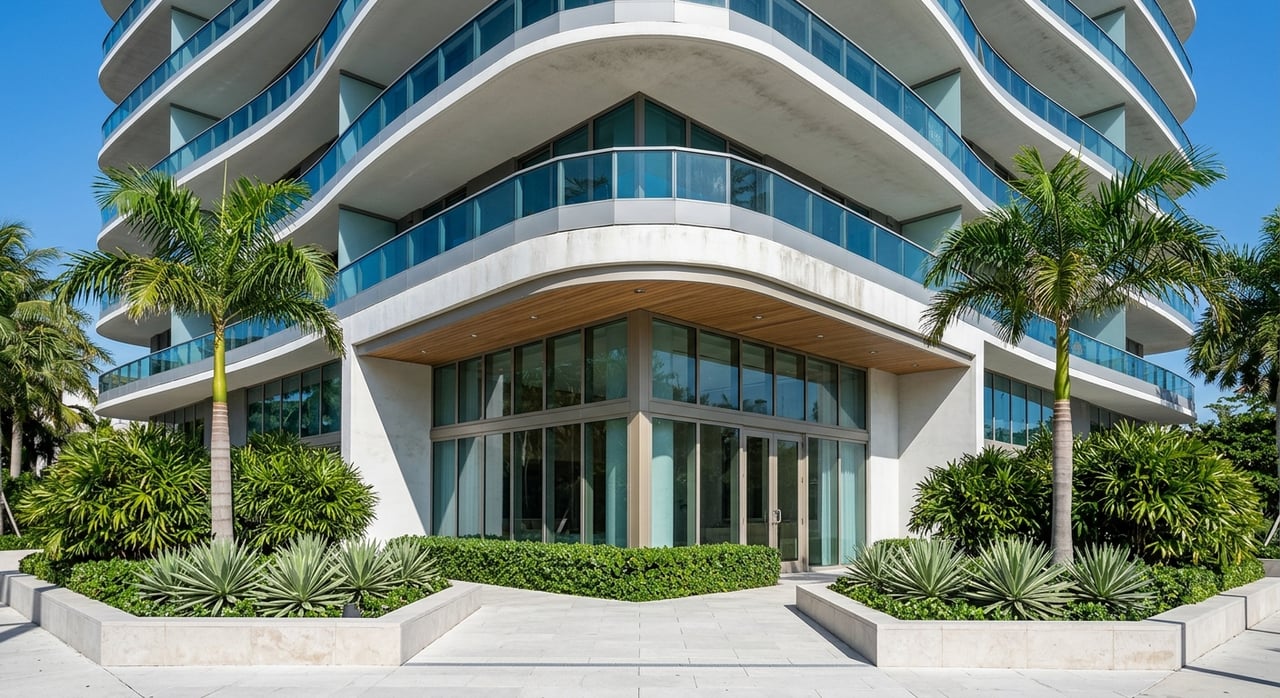
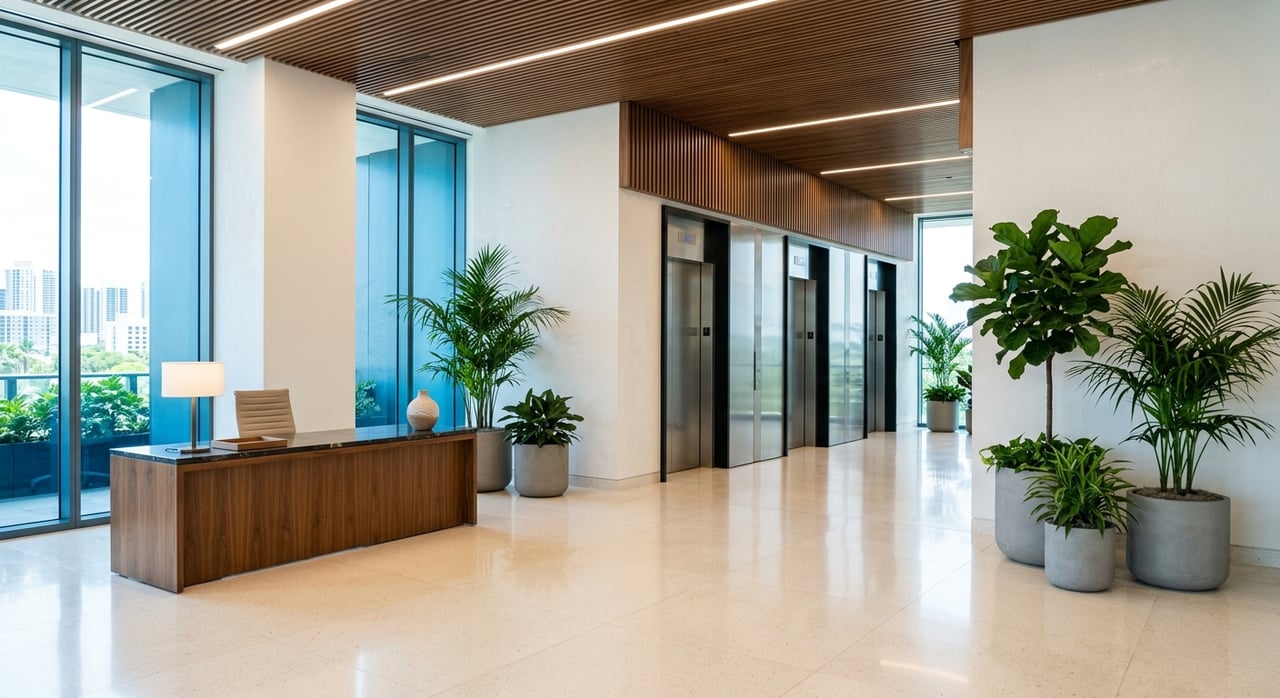
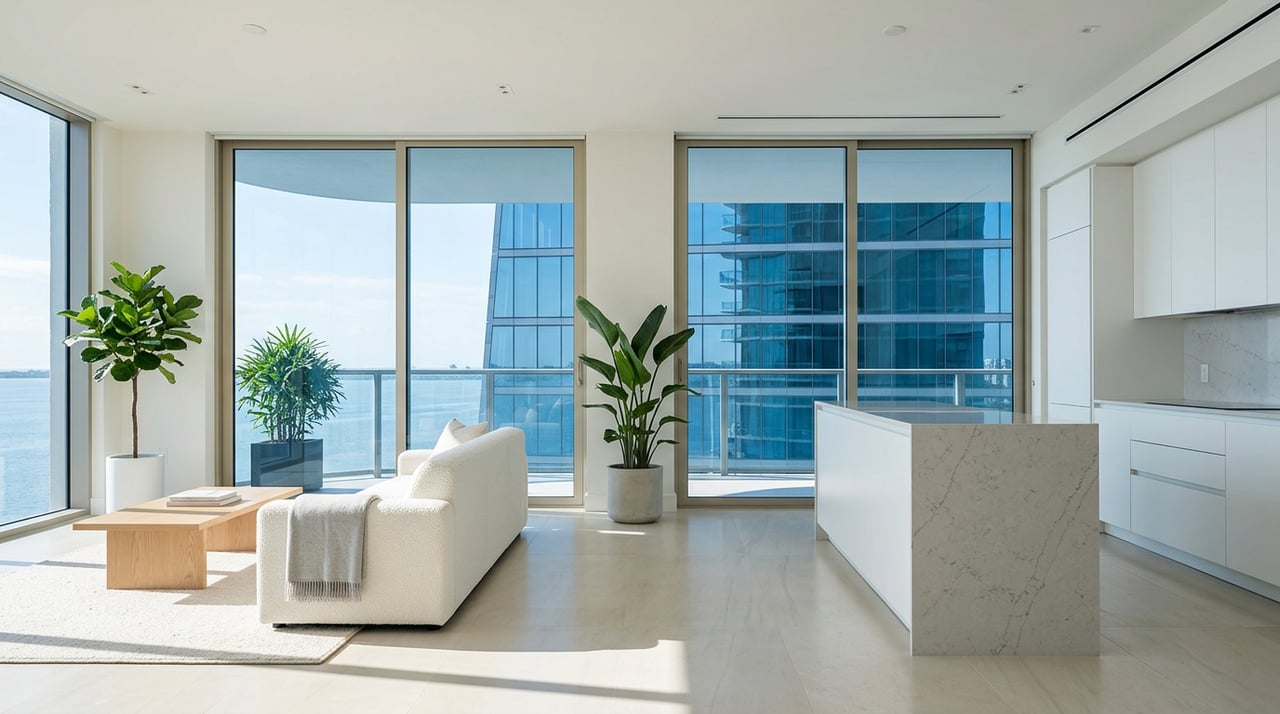
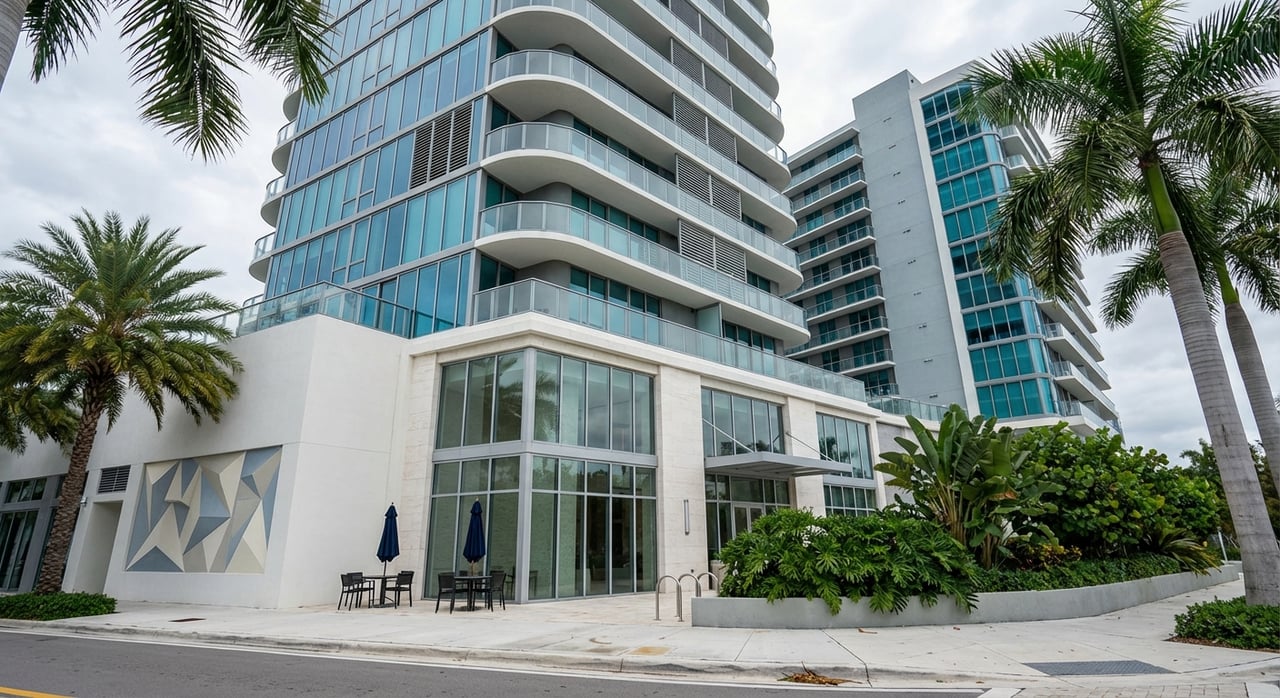
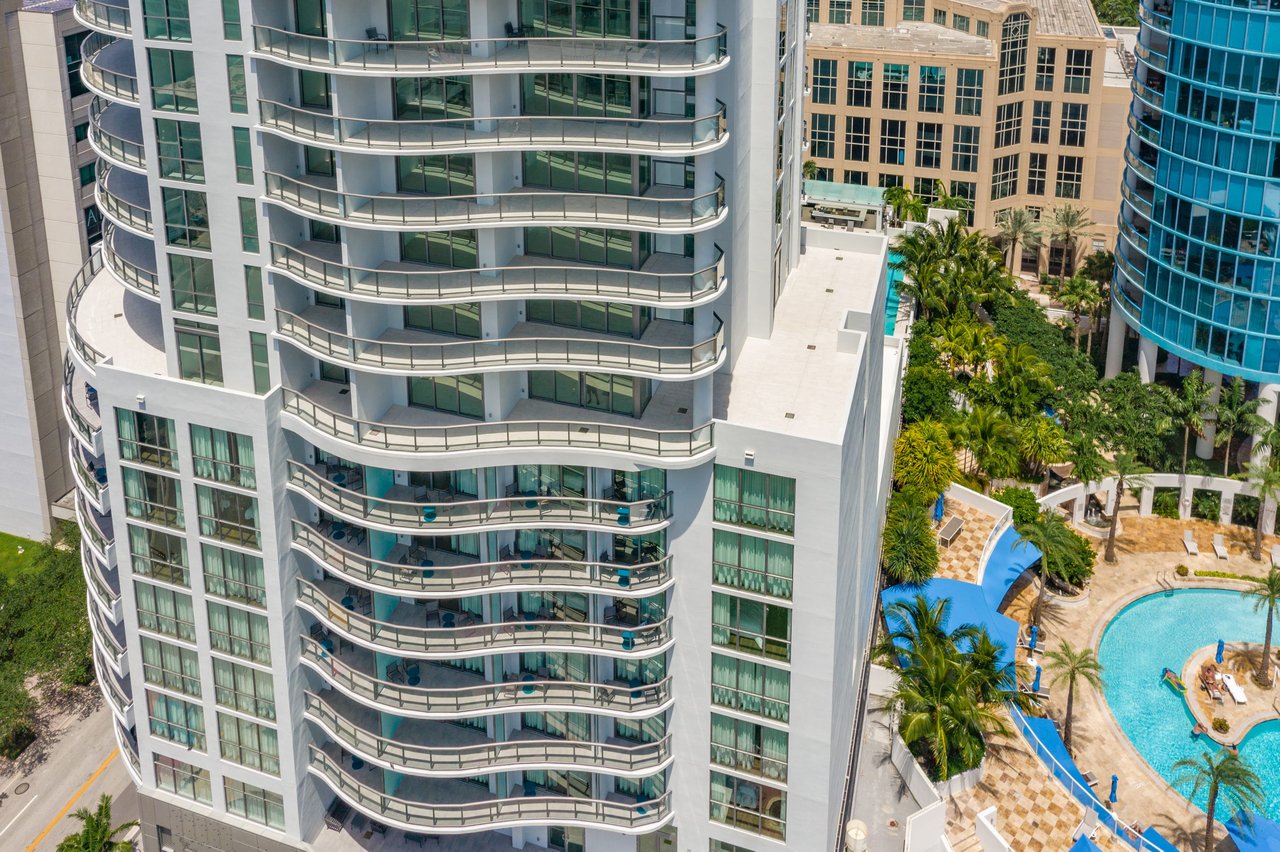
Most homes here are condominiums or mixed-use buildings with ground-floor retail. Expect doorman or concierge service, fitness centers, pools, assigned parking, storage, and social spaces. HOA rules typically cover pets, rentals, boating, and shared space use. If you plan to rent your unit seasonally or long term, confirm association and city regulations.
HOA fees, insurance, and taxes
Condo fees vary widely by building and amenity level. They often cover building maintenance, common-area insurance, landscaping, security, and sometimes utilities. Because of the area’s low elevation and tidal waterways, many buyers should plan for flood insurance and verify wind or hurricane coverage. Review flood zones and elevation before you buy using the FEMA Flood Map Service Center. For storm readiness and timing, see NOAA hurricane season guidance. Florida has no state income tax, but factor in property taxes and homeowners insurance. For parcel details, visit the Broward County Property Appraiser.
Resale, rentals, and rules
Resale value often hinges on water views, covered parking, building reserves, special assessments, and overall maintenance. Rental demand can be seasonal, but your options depend on zoning and HOA rules. Always review association documents and minutes to understand upcoming assessments, reserve health, and rental limits.
Quality-of-life tradeoffs
Noise and crowds
Urban energy is part of the appeal. It also means more pedestrian activity, nightlife noise, and occasional street crowds compared with a quiet suburban neighborhood. If you are sensitive to noise, visit at different times, including weekends and event nights, to gauge your comfort level.
Weather and storms
The climate is tropical to subtropical, with hot, humid summers and mild winters. Hurricane season runs from June 1 to November 30. Plan for preparedness, insurance, and building protections such as shutters or impact glass. Flooding can occur during seasonal high tides. Elevation certificates and flood zone checks are important in due diligence.
Seasonality and events
Tourism increases in fall through spring, and during major festivals and boat shows. Expect higher demand for dining and parking, and more event traffic during peak periods.
A smart buyer checklist
Use this quick list to streamline your search and protect your investment:
- Review HOA documents, budgets, reserves, minutes, and insurance certificates.
- Obtain an elevation certificate and confirm your flood zone.
- Ask for recent building inspection reports and consider a common-element inspection.
- Verify parking, storage, and boat or dock rights in writing.
- Get quotes for homeowners, wind or hurricane, and flood insurance.
- Test commute routes by car, Brightline, or transit during peak times.
- Visit at multiple times of day and week to evaluate activity and noise.
- Confirm rental policies for seasonal or long-term leasing.
If you are weighing Las Olas Riverwalk living against a suburban option, a building-by-building look will help you compare fees, amenities, views, and policies. When you are ready for a guided tour and a clear plan, connect with D’Angelo Realty Group for hyperlocal condo expertise and on-the-ground access.
FAQs
What kinds of homes are on the Las Olas Riverwalk?
- Primarily condominiums and mixed-use buildings with amenities like concierge, fitness centers, pools, and assigned parking.
Is the area walkable if I do not want to drive daily?
- Yes. Daily needs, dining, arts venues, and the Riverwalk are within short walking distances, with rideshare, Brightline, and the Water Taxi for trips beyond walking range.
Do condos include boat slips along the Riverwalk?
- Some buildings offer private slips or nearby marina arrangements, but availability varies by unit; always confirm slip rights, transfer rules, and fees in writing.
Do I need flood insurance near the New River?
- Many buyers should plan for flood coverage and verify requirements using the FEMA Flood Map Service Center and an elevation certificate.
How busy does Las Olas get on weekends and during events?
- Expect increased pedestrians, traffic, and nightlife activity, especially during festivals and high season; visit at different times to assess your comfort level.
Which public schools serve downtown Fort Lauderdale condos?
- Downtown condos are served by Broward County Public Schools; review options directly with Broward County Public Schools for the latest assignment details.
How can I travel to Miami or West Palm Beach without driving?
- The downtown Brightline station connects to Miami and West Palm Beach, with rideshare or walking to reach the station from Riverwalk-area condos.