Hurricane season always seems to arrive faster than you expect, especially when your condo sits minutes from the ocean breeze. You want protection that respects your view, keeps insurance straightforward, and passes building review without stress. In this guide, you’ll learn how impact windows and storm shutters stack up for Oakland Park and the Fort Lauderdale Beach corridor, from performance and permitting to insurance credits, HOA approvals, cost, and resale value. Let’s dive in.
Why this choice matters in Oakland Park
Oakland Park and nearby Fort Lauderdale Beach face hurricane‑force winds and wind‑borne debris during tropical storms and hurricanes. Buildings closest to the shoreline experience higher wind speeds and greater debris risk. Protecting openings is a central part of storm resilience for condo owners here.
Florida Building Code sets the standards for new and replacement windows, doors, and opening protection. In coastal Broward County, products must meet design pressures and, where applicable, impact protection requirements. Manufacturers often use Miami‑Dade or other nationally recognized product approvals to show compliance. Exact requirements can vary by your building’s height, proximity to the shoreline, and the dates of past permits, so confirm details with your contractor and local building officials before you buy.
It also helps to separate wind from flood. Flood insurance addresses damage from flooding, while wind coverage is part of your property or condo policy. Impact windows and shutters are designed to reduce wind and debris damage, and they also help limit interior water intrusion from wind‑driven rain when openings stay intact.
How each option performs in coastal storms
Impact windows: strong, permanent protection
Impact windows use laminated glass engineered to resist debris strikes and remain intact under design pressures when installed to code. When the frame, hardware, and attachment are correctly specified, they help keep wind out of your unit even if wind‑borne debris hits. This reduces the risk of pressurization that can damage interiors and makes post‑storm recovery faster.
Impact windows also provide continuous weather sealing when installed properly. That can improve water resistance during wind‑driven rain compared with temporary protections. In daily life, you get the benefits without activating anything during a storm watch.
Permanent shutters: proven and flexible
Accordion, roll‑down, and professionally installed panel systems also meet code when certified and installed per their product approvals. When closed, they block debris and reduce wind intrusion. Performance depends on the specific system, anchorage, and installation quality. Some systems may allow minor water seepage at edges unless storm seals are integrated, so product selection and detailing matter.
The tradeoff is operational. You or your building staff must close shutters before each event. If you travel frequently, timing and access can be a factor.
Temporary panels: lower cost, more hassle
Removable metal panels and plywood can deflect debris, but quality and installation vary. They are less convenient, may not meet insurer or building expectations, and require storage and physical labor with each storm. Many condo associations limit or discourage temporary panels.
Beyond storms: comfort, noise, energy, and aesthetics
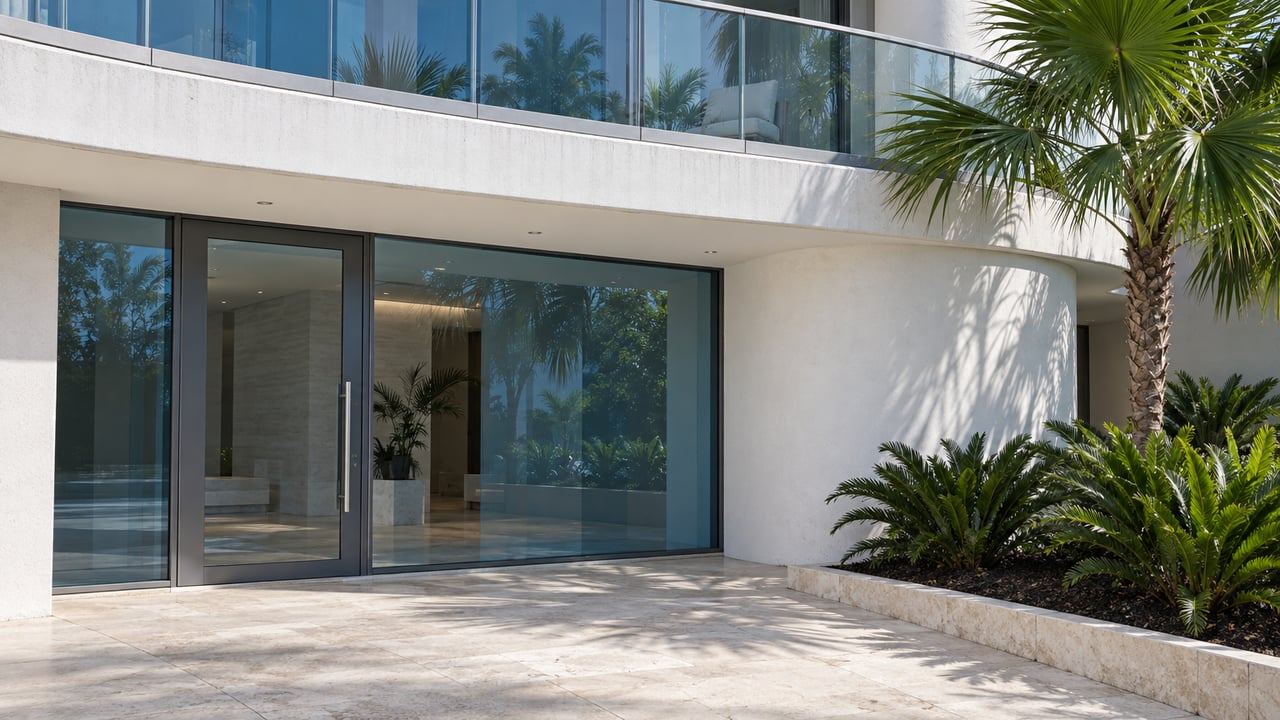
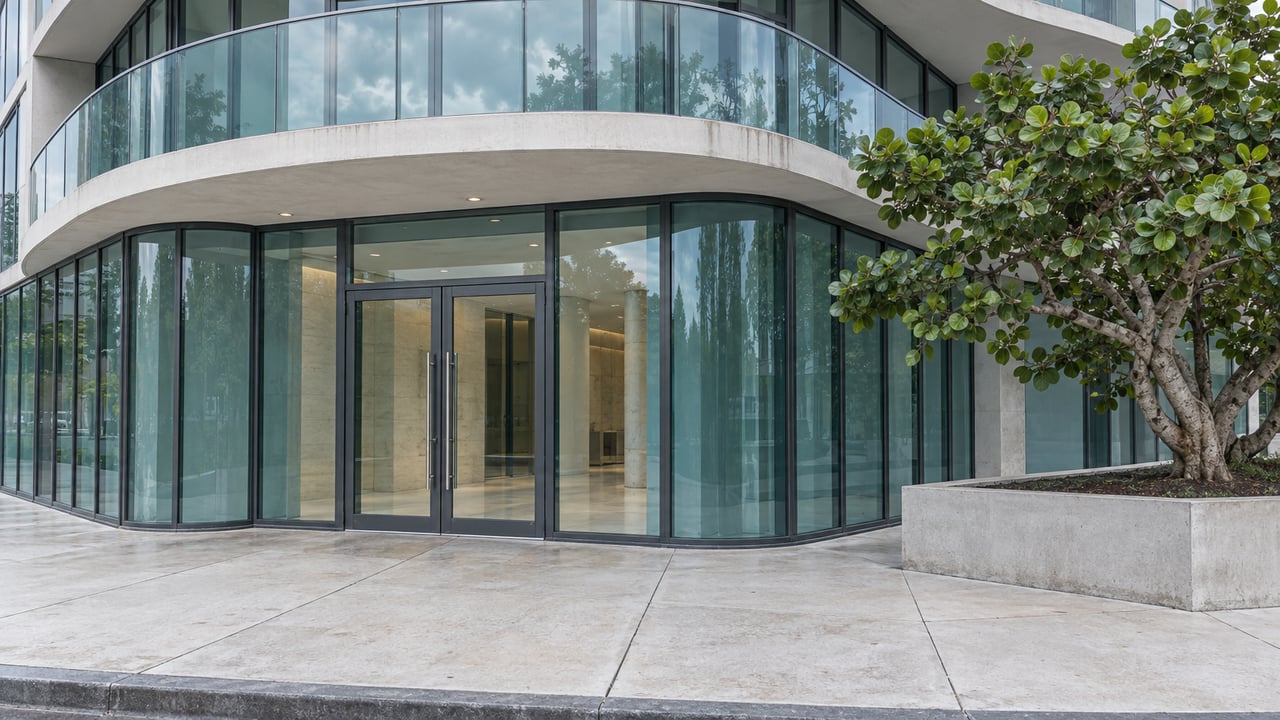
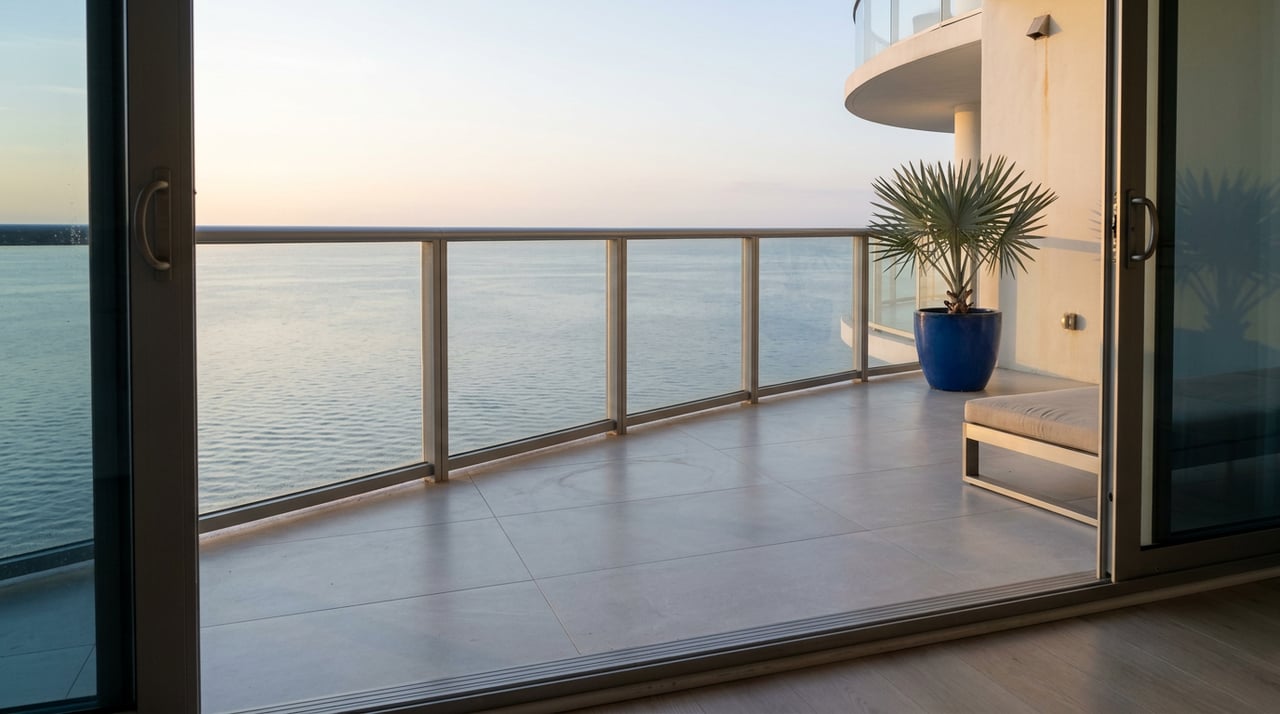
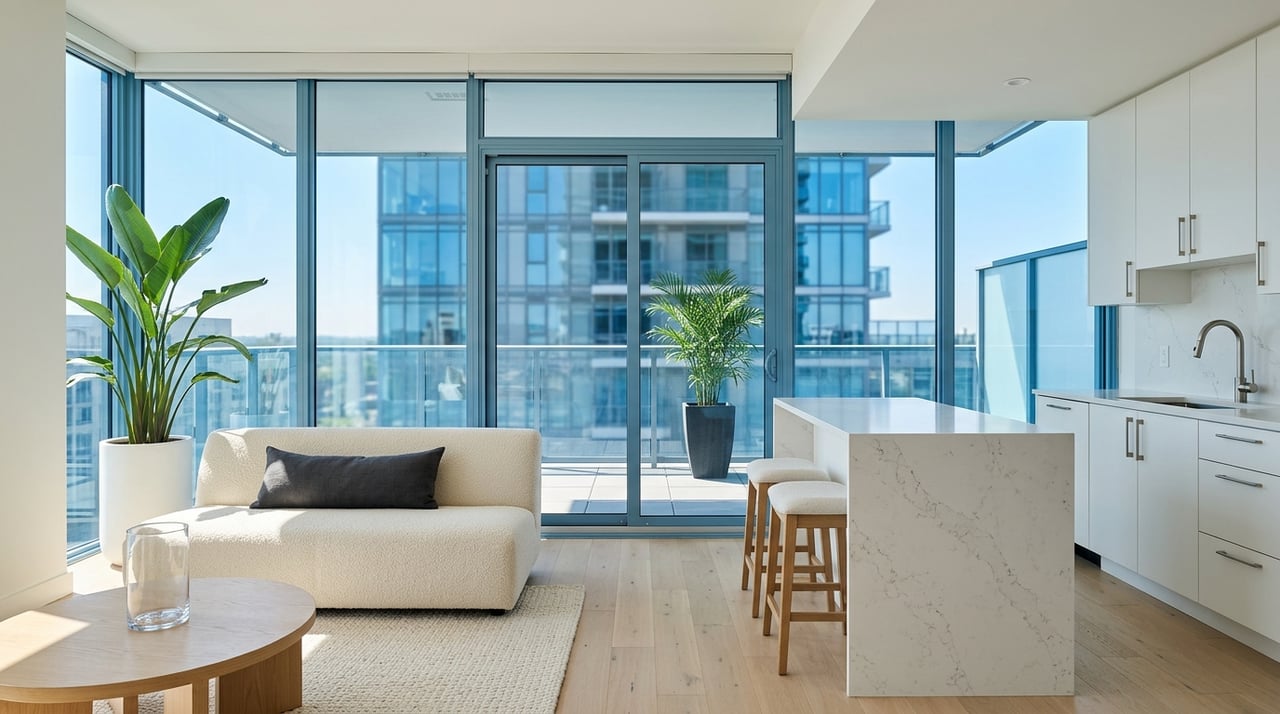
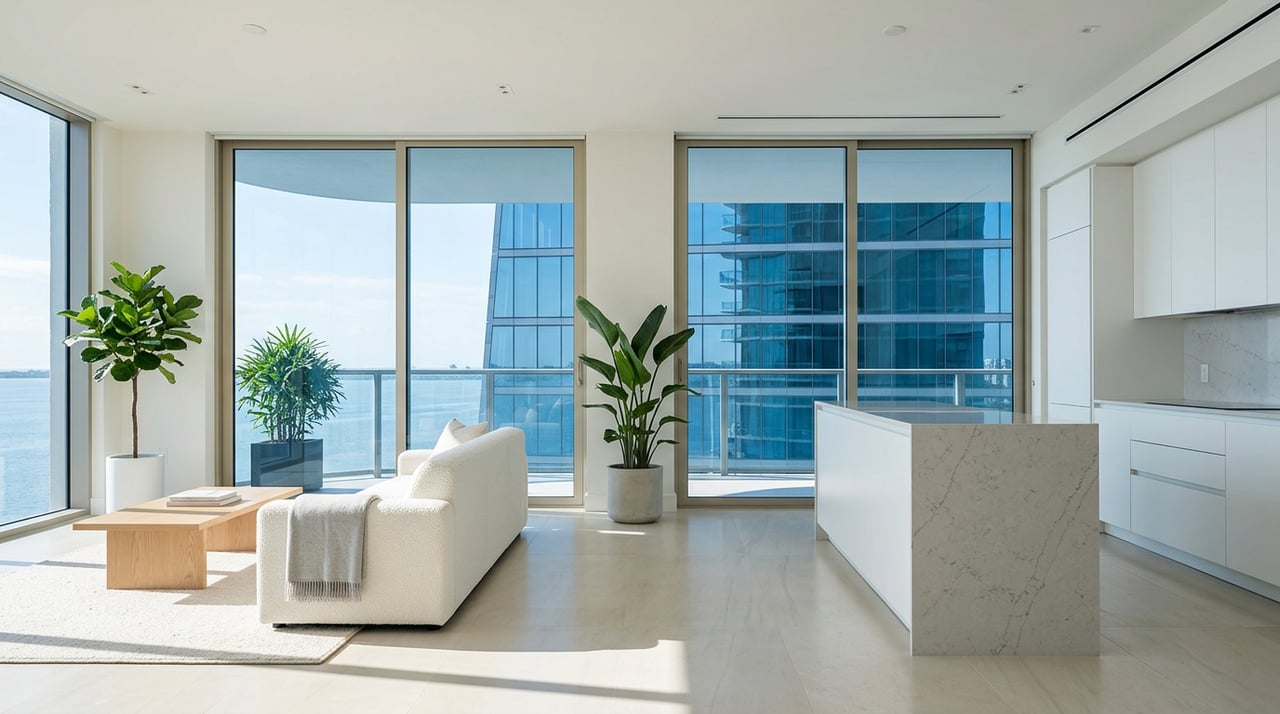
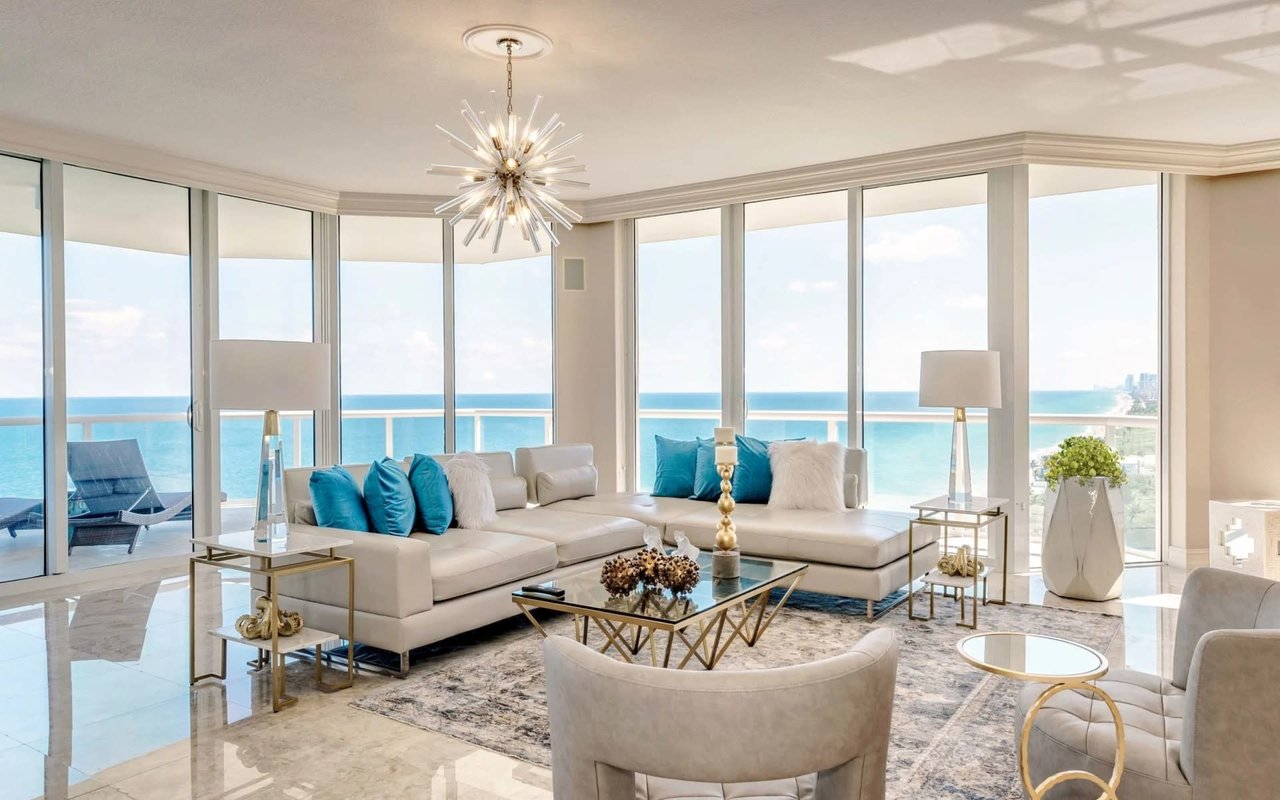
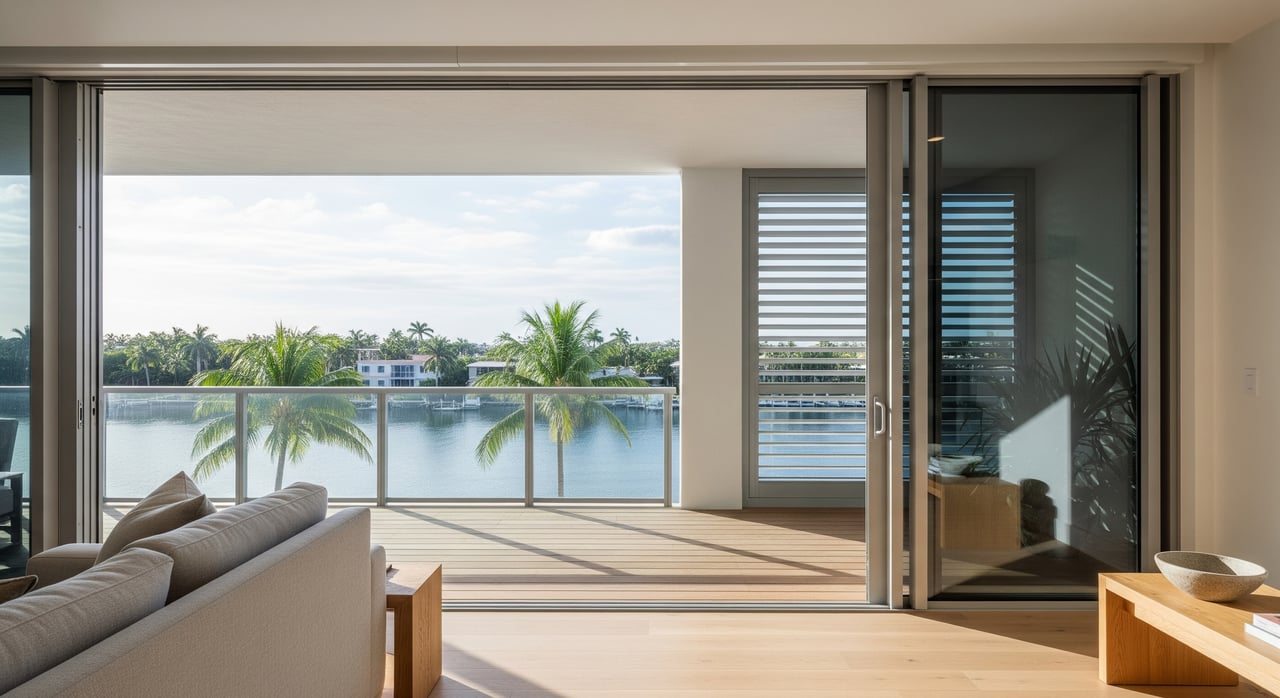
Impact insulated windows can include low‑E coatings and insulated glass to reduce solar heat gain, which helps in South Florida’s climate. Laminated glass also dampens outside noise, a noticeable comfort upgrade compared to single‑pane windows. You keep full natural light and an unobstructed ocean or skyline view.
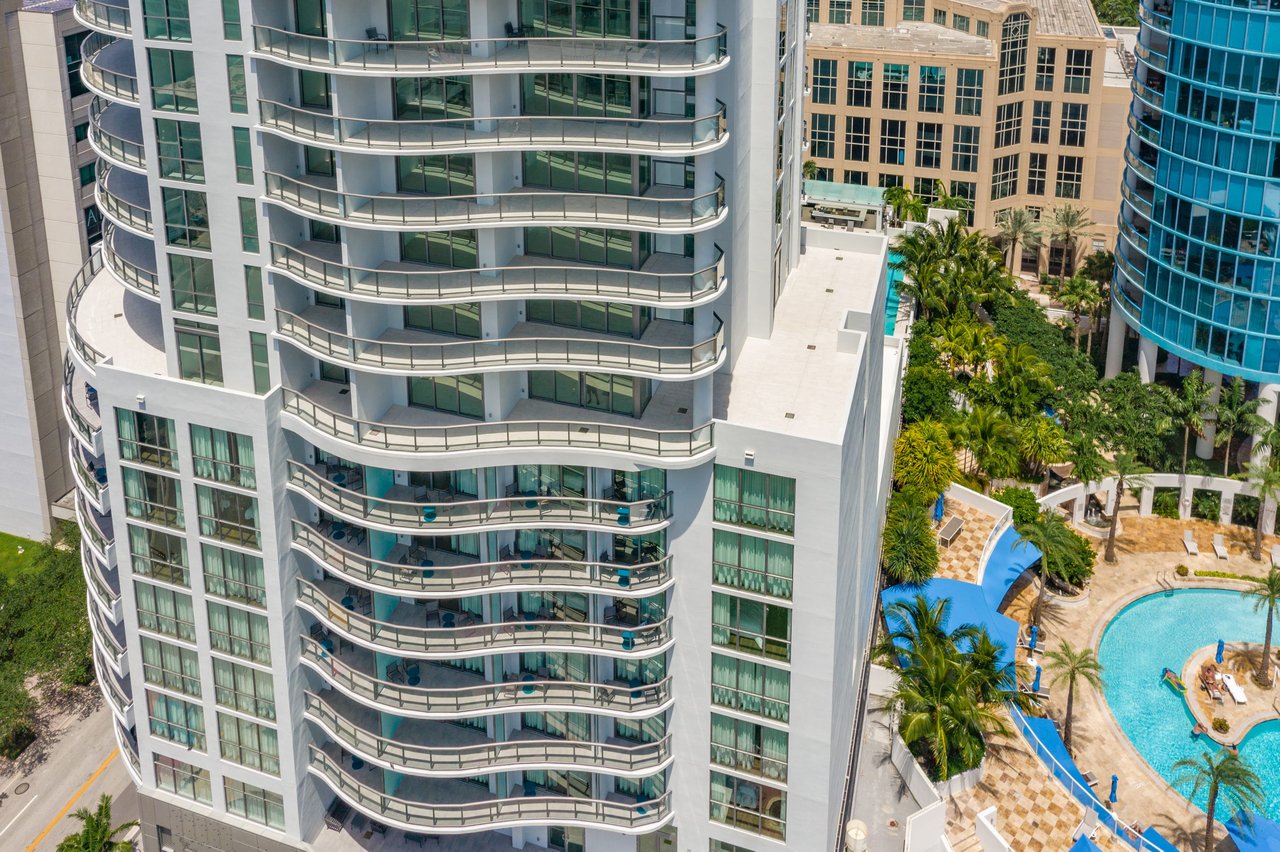
Shutters can block some solar gain and noise when closed, but most residents do not keep shutters closed outside of storm threats. Shutters are visible from inside or outside the unit even when open, and some buyers consider that less attractive. If preserving the look and the view is a priority, impact glass is often preferred.
Insurance, credits, and documentation
Many Florida insurers, including Citizens and private carriers, offer wind‑mitigation credits for certified opening protection. Both impact‑rated glazing and approved shutter systems can qualify. The size of the credit varies by carrier, building details, and how completely your openings are protected.
Insurers typically require documentation. Be prepared to provide product approval numbers, manufacturer information, invoices, photographs of the installation, permits, and in many cases a wind mitigation inspection form completed by a licensed inspector. Before you purchase, ask your insurer for written guidance on the specific products they recognize and the documentation they need. This avoids surprises and helps you estimate any premium reduction.
Permits and product approvals in Broward County
Window replacement and permanent shutter installation usually require a building permit. You will need to submit product approvals, manufacturer installation instructions, and contractor credentials. Many products reference Miami‑Dade Notices of Acceptance or similar test reports to show impact and pressure resistance. These documents are commonly accepted by local building officials and insurers.
For mid‑ or high‑rise condos, sealed drawings and engineering review may be required, especially when the exterior envelope is considered a common element. Plan for lead times. Between association approvals, permitting, custom fabrication, and scheduling, your project can take several weeks to months from start to finish.
Association approvals: how to navigate the process
Your condo declaration and bylaws determine what you can change and who pays. Many Florida condos treat exterior elements like windows and frames as common elements. That means you may need board approval, and the association may dictate specifications, colors, and installation standards. Some buildings run building‑wide replacement programs, while others allow unit‑by‑unit upgrades.
A typical approval path looks like this:
- Review your declaration, bylaws, and any architectural guidelines to see who owns the windows and what standards apply.
- Collect product documents, including the product approval number, test reports, and installation instructions, plus contractor license and insurance information.
- Submit an architectural or board request with drawings, specifications, schedule, and vendor references.
- Complete any required engineering review and obtain building permits.
- Coordinate with management for access, staging, and cleanup.
- After final inspection, provide completion documents to the association and your insurer for mitigation credits.
If windows are a common element, confirm whether the association will coordinate or assess for replacement. Clarify this before you sign a contract.
Cost, maintenance, and lifespan
Total cost depends on the number and size of openings, floor height, glass type, and labor. In coastal condo buildings, full‑unit impact window retrofits often fall into a modest five‑figure range for smaller units and rise with larger floor plans or complex openings. Shutters, especially accordion systems, are usually less expensive per opening than motorized roll‑downs. Temporary panels have the lowest upfront cost, but they are inconvenient and may be less acceptable to associations or insurers.
Impact windows are generally low maintenance. Expect periodic checks of seals and hardware over time. Many laminated insulated units perform for decades when installed correctly, though seals and moving parts may need service sooner. Shutters require regular maintenance, especially in salt air. Tracks, motors, and finishes need attention to prevent corrosion and ensure smooth operation.
When comparing bids, request three local quotes. Verify product approvals, installation scope, references for similar condo projects, and a clear timeline. Ask vendors how they will protect interiors and common areas during the work.
Resale impact in the Fort Lauderdale Beach corridor
For ocean‑adjacent condos, impact glazing is often marketed as a premium, value‑adding upgrade. It preserves views, reduces noise, improves comfort, and provides year‑round benefits. Some buyers appreciate the added security and readiness of roll‑down shutters, while others prefer the clean look of unobstructed glass.
Market norms matter. If most comparable units in your building or along the beach have impact glass, a unit with only older shutters can feel dated. Conversely, in buildings where approved shutters are the standard, maintaining that uniform look can be an advantage. A local condo specialist can help you assess what buyers expect in your specific tower and how an upgrade may influence time on market and negotiated price.
A simple decision framework
Use this quick framework to choose what fits your goals and building rules:
- Choose impact windows if you want unobstructed views, everyday comfort, noise reduction, and set‑it‑and‑forget‑it storm protection. This is common for owners who live in their units or want top‑tier presentation for resale.
- Choose permanent shutters if your priority is lower upfront cost, and your building accepts or standardizes them. Consider roll‑downs if you want fast, one‑touch deployment, and accordions for budget and simplicity.
- Avoid relying on temporary panels in managed condo settings unless your association allows them and you are prepared for storage and installation each storm cycle.
Before you decide, confirm three things: your association’s standards, the permitting pathway, and your insurer’s credit rules for the exact product you plan to install.
Implementation timeline: what to expect
- Review condo documents and speak with management about approved products and responsibilities.
- Request three contractor quotes with product approvals and references for condo work.
- Ask your insurer for written guidance on mitigation credits and required documentation.
- Submit your association application with product details, drawings, and schedule.
- Apply for permits. Allow time for engineering review if required.
- Order materials. Custom sizes can add weeks to lead times.
- Schedule installation and inspections. Coordinate access and protection for common areas.
- Wrap up with final inspection, completion package for the association, and a wind mitigation update for your insurer.
If you are planning to sell within the next 12 to 24 months, weigh the marketing benefits of impact glass in your building against the cost and lead time. In many beach corridor towers, buyers respond to the clean look and convenience of impact windows, especially when views are a major draw.
Ready to decide what will best position your condo for comfort, storm season, and resale? Talk with a local expert who understands building‑level norms, buyer preferences, and the approval process. For a tailored look at your tower and your goals, connect with the team at D’Angelo Realty Group.
FAQs
Do impact windows eliminate the need for shutters in Oakland Park beach condos?
- Approved impact glazing can satisfy opening protection requirements for wind‑borne debris, but confirm your association’s standards and your insurer’s rules before removing or skipping shutters.
What insurance documents do I need for wind‑mitigation credits in Broward County?
- Insurers often request product approval numbers, photos, invoices, permits, and a wind mitigation inspection form from a licensed inspector, so ask your carrier for their exact list in writing.
Are condo windows considered common elements in Florida buildings?
- Many condo declarations treat exterior elements like windows and frames as common elements, so review your governing documents to determine approval steps and who pays for replacements.
How long does permitting take for condo window or shutter projects in Oakland Park?
- Permit review, engineering sign‑offs, and custom product lead times can extend the process to several weeks or months, so build that timeline into your planning.
Do impact windows reduce noise and improve energy comfort in South Florida?
- Laminated and insulated impact glass can dampen outside noise and reduce solar heat gain with low‑E options, offering year‑round comfort beyond storm protection.
Are temporary storm panels acceptable for condos near Fort Lauderdale Beach?
- While panels can provide debris protection, they are less convenient, may face association limits, and can be less favored by insurers, so verify building rules before relying on them.