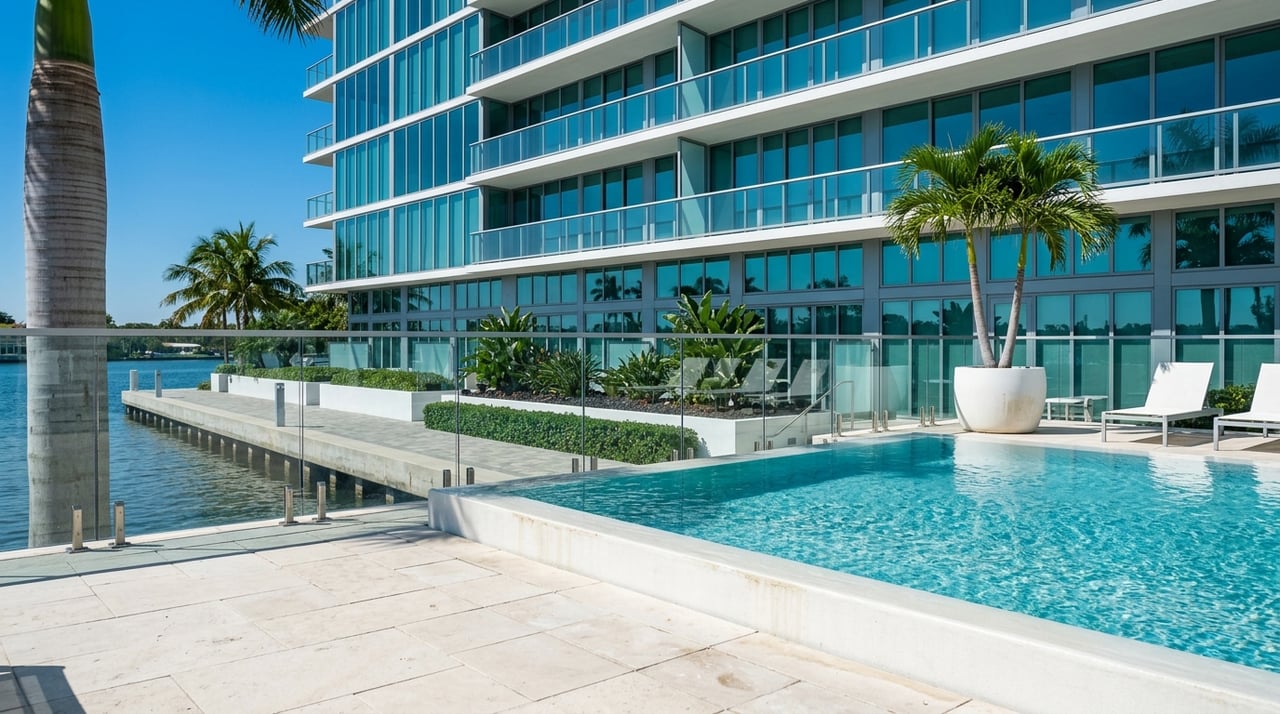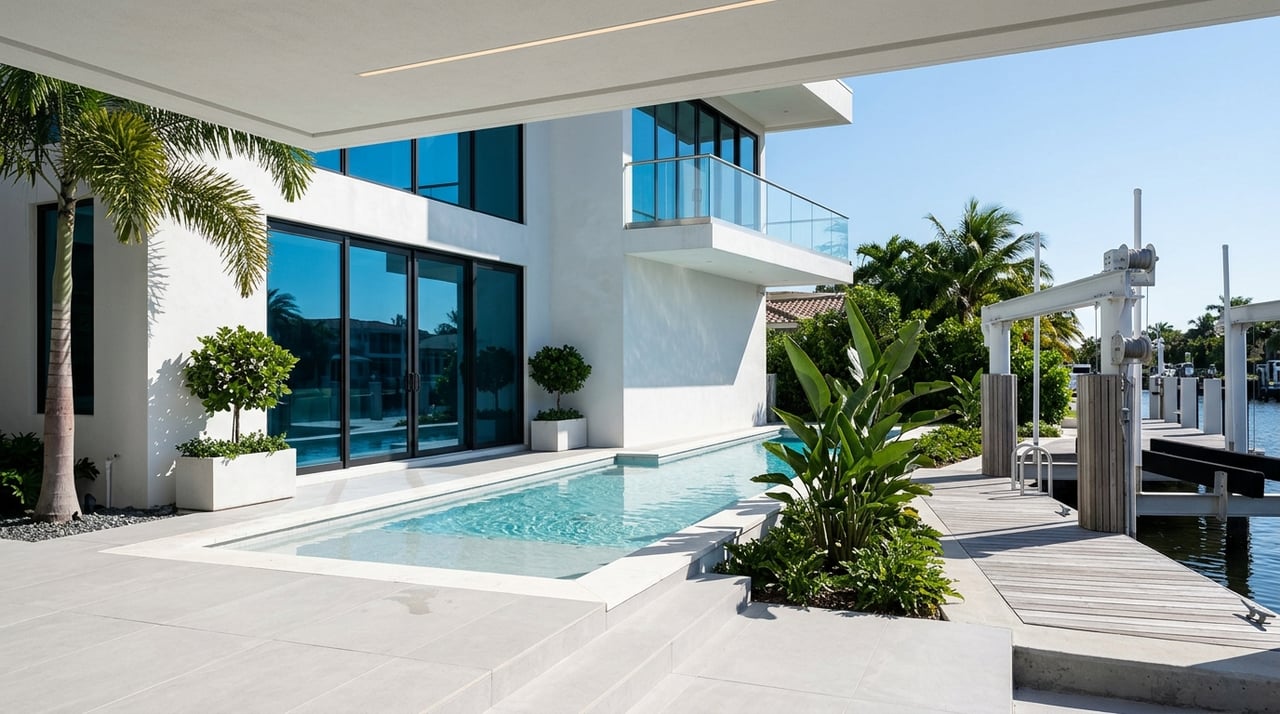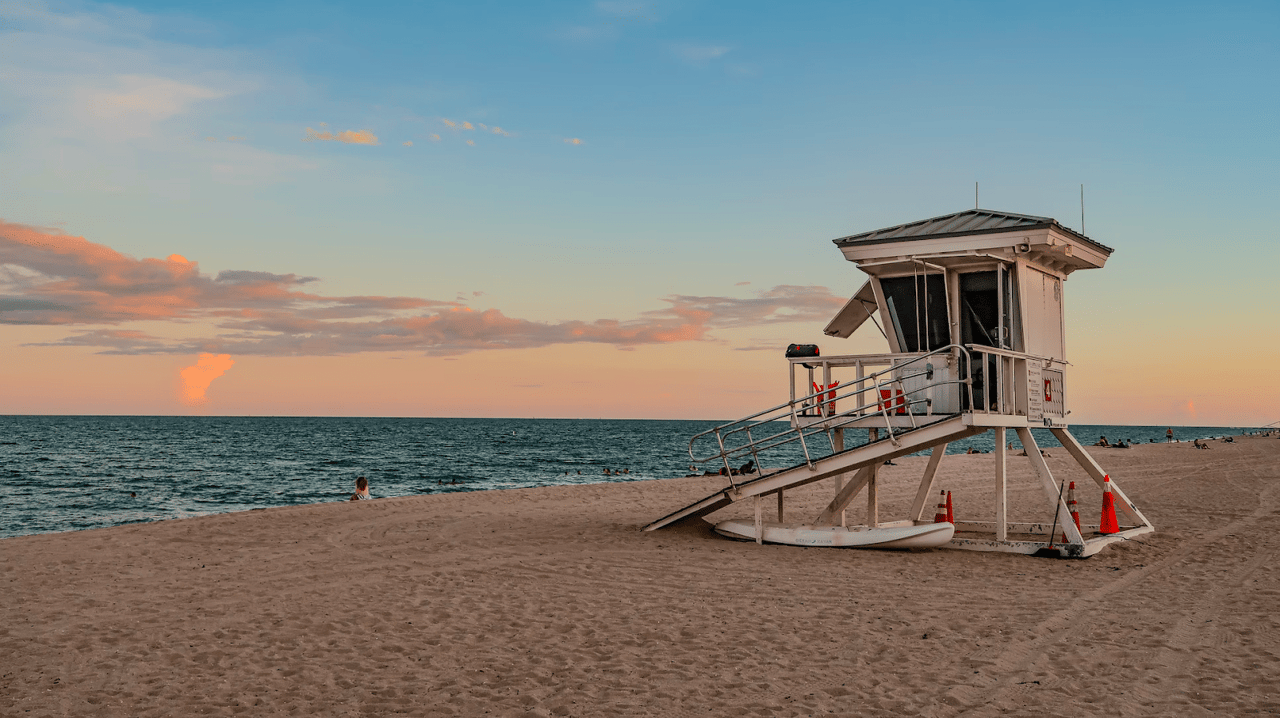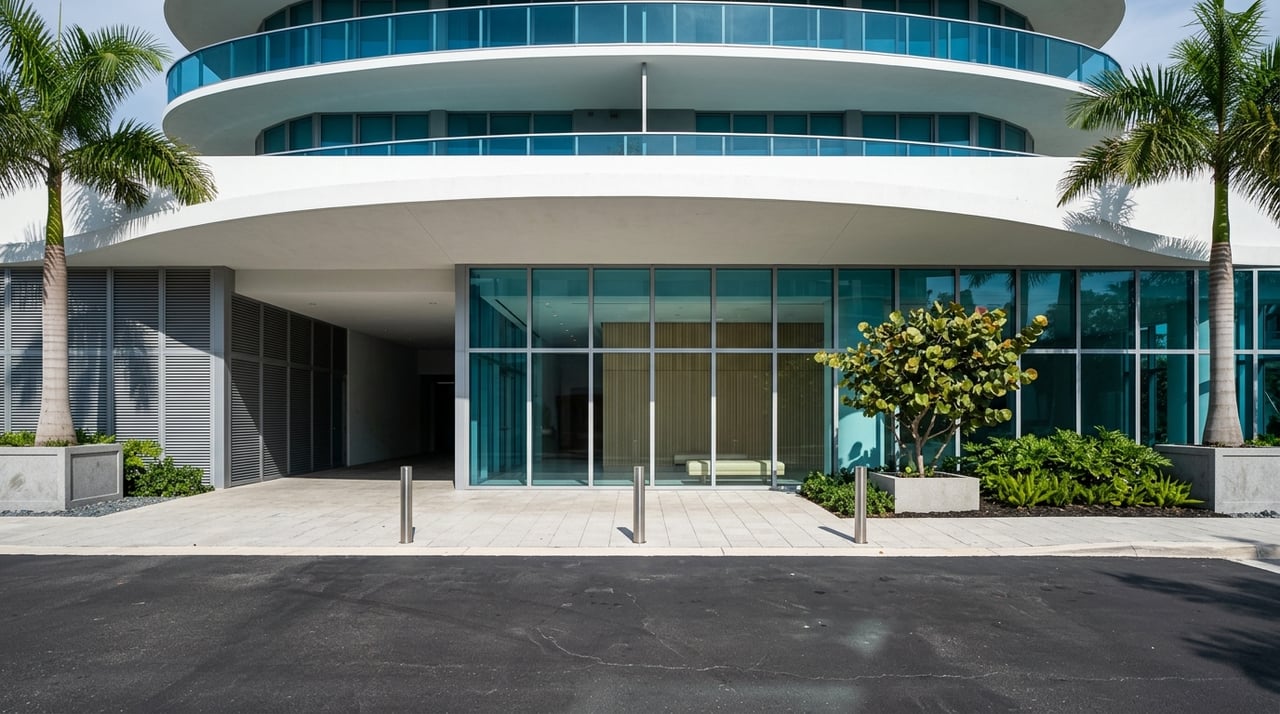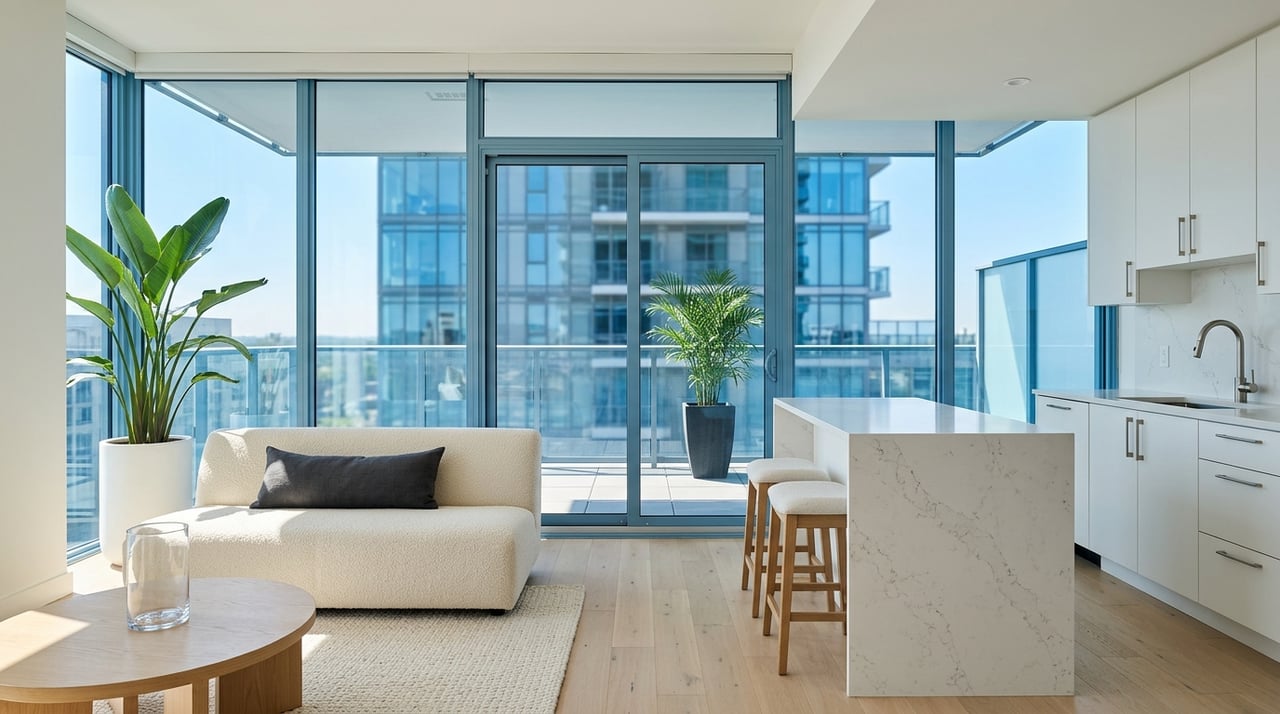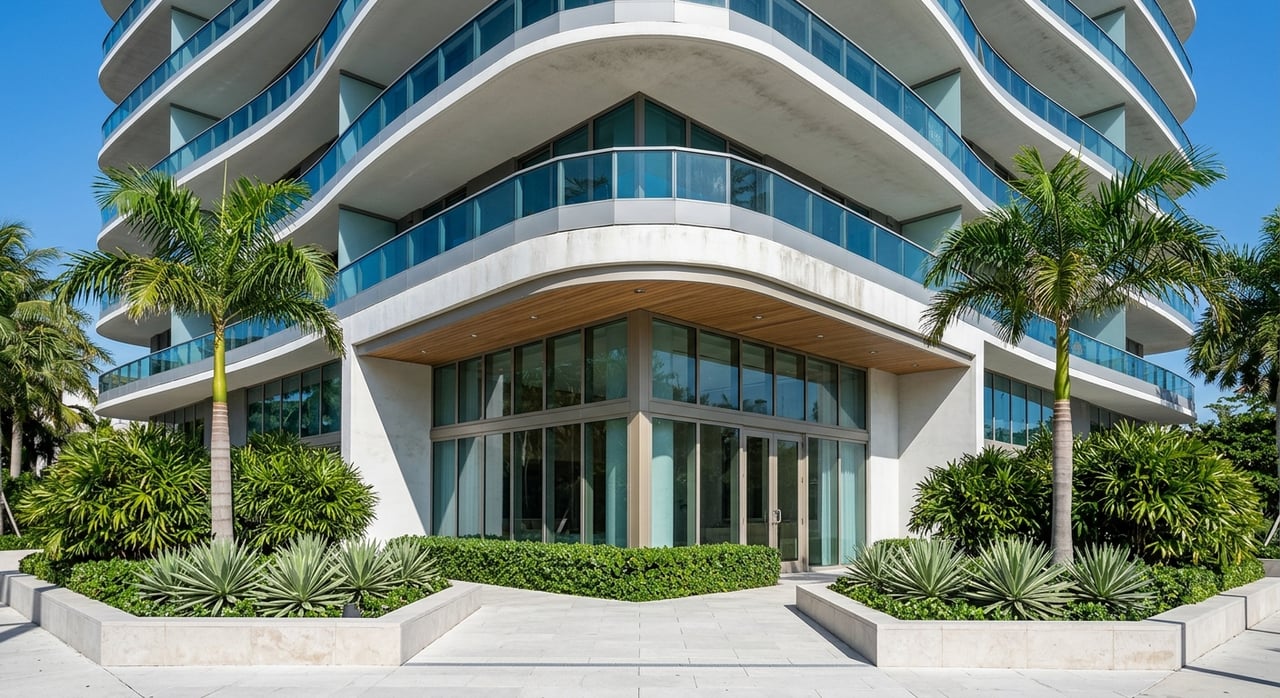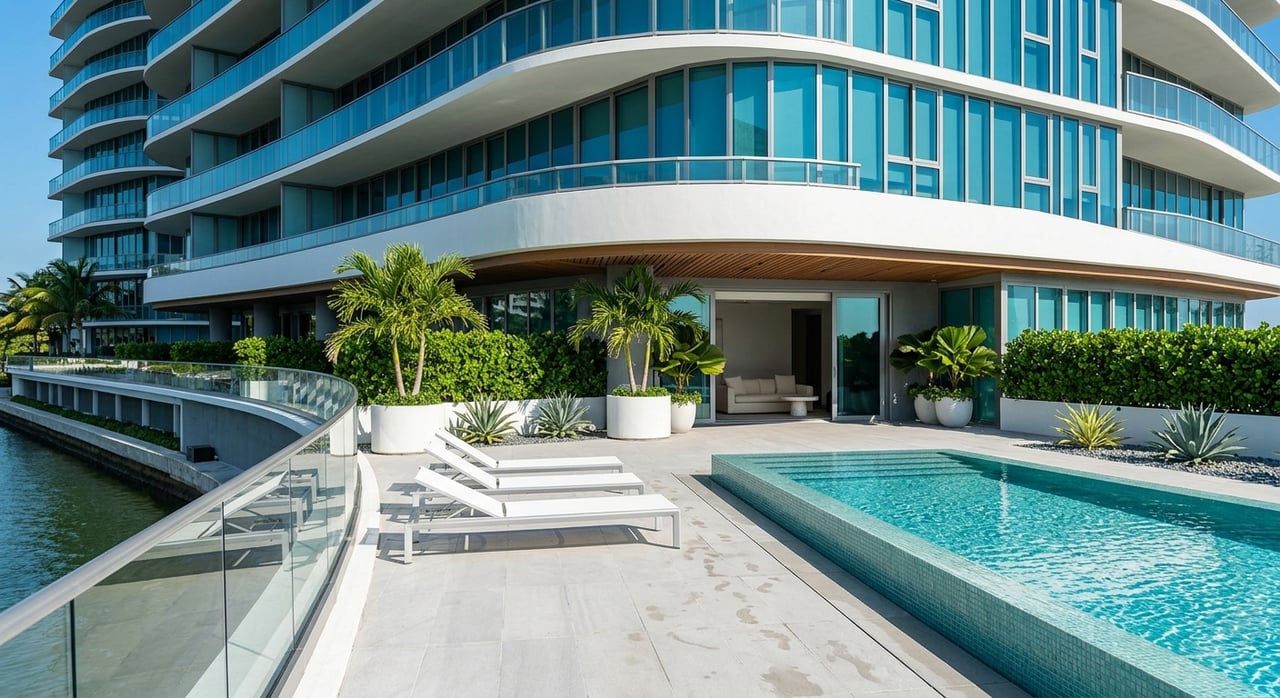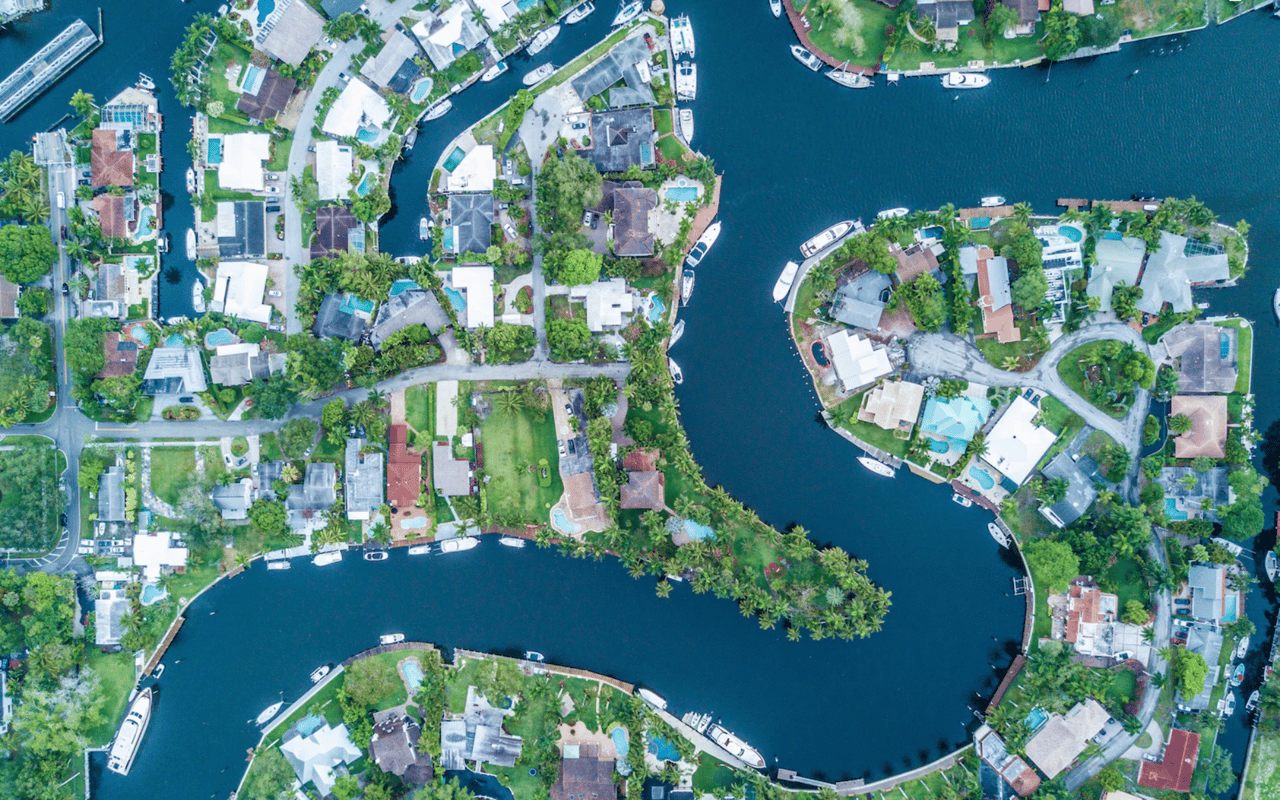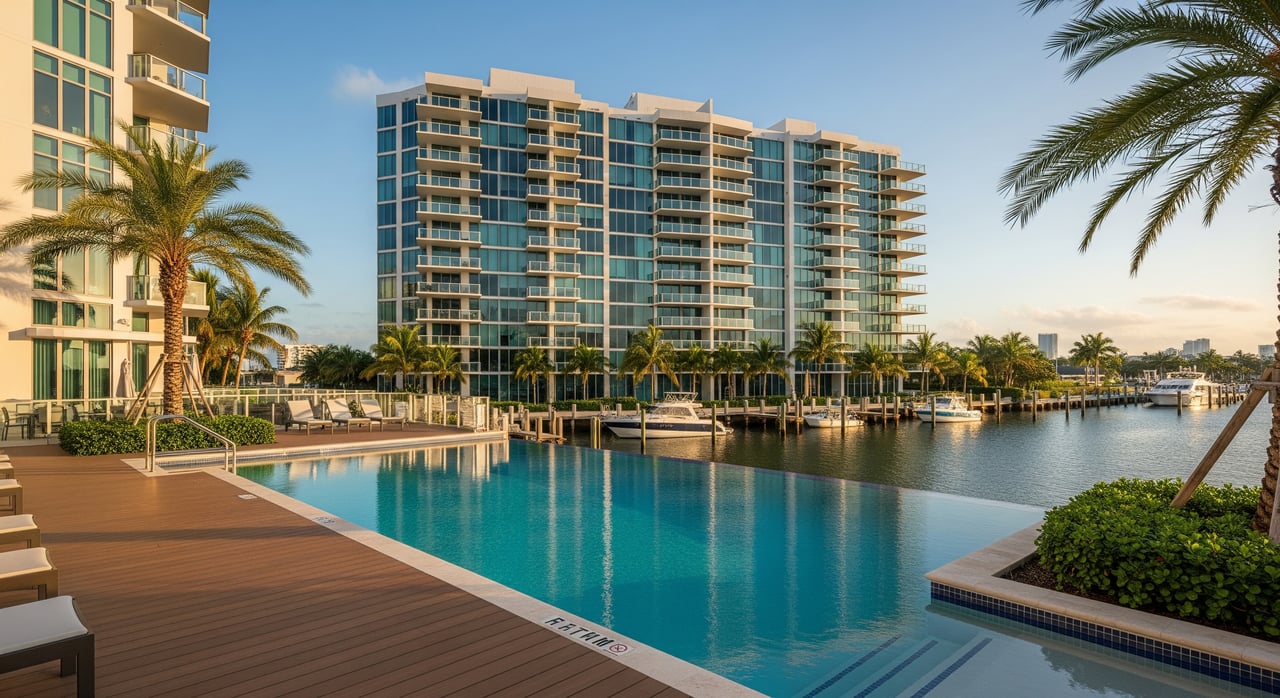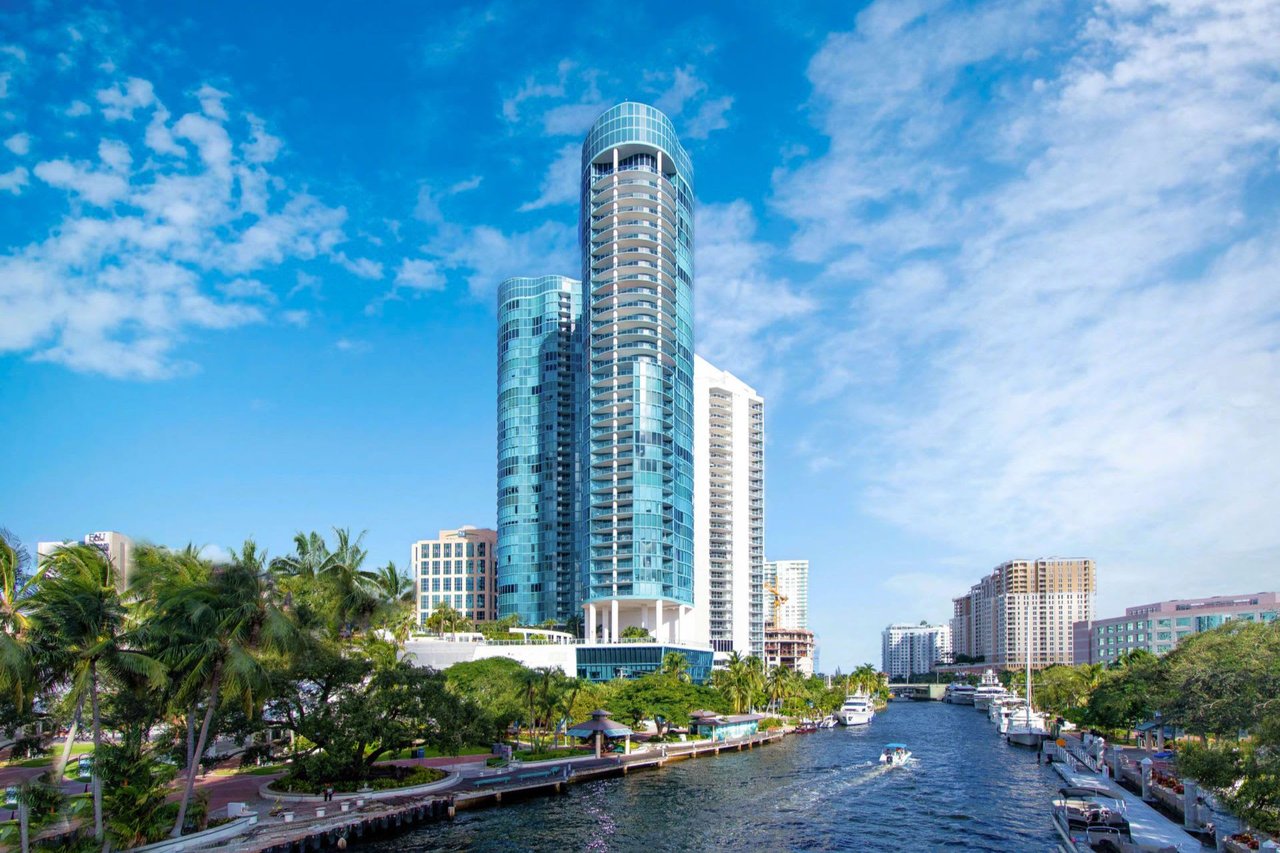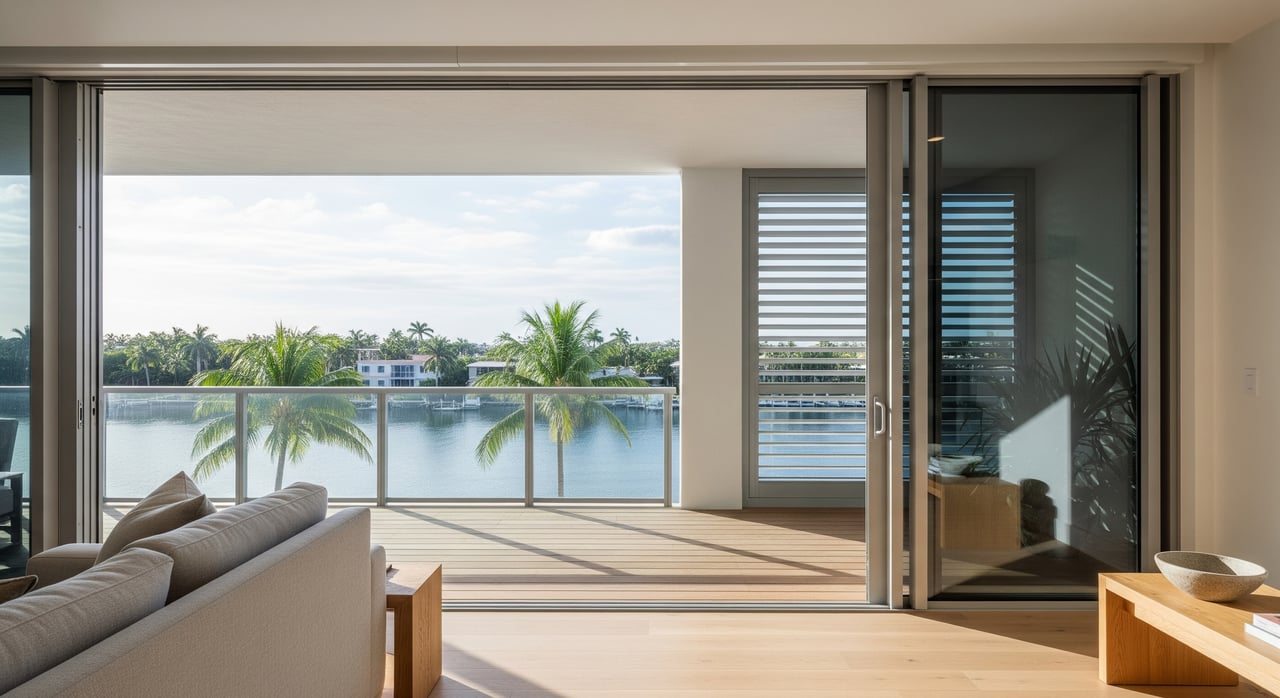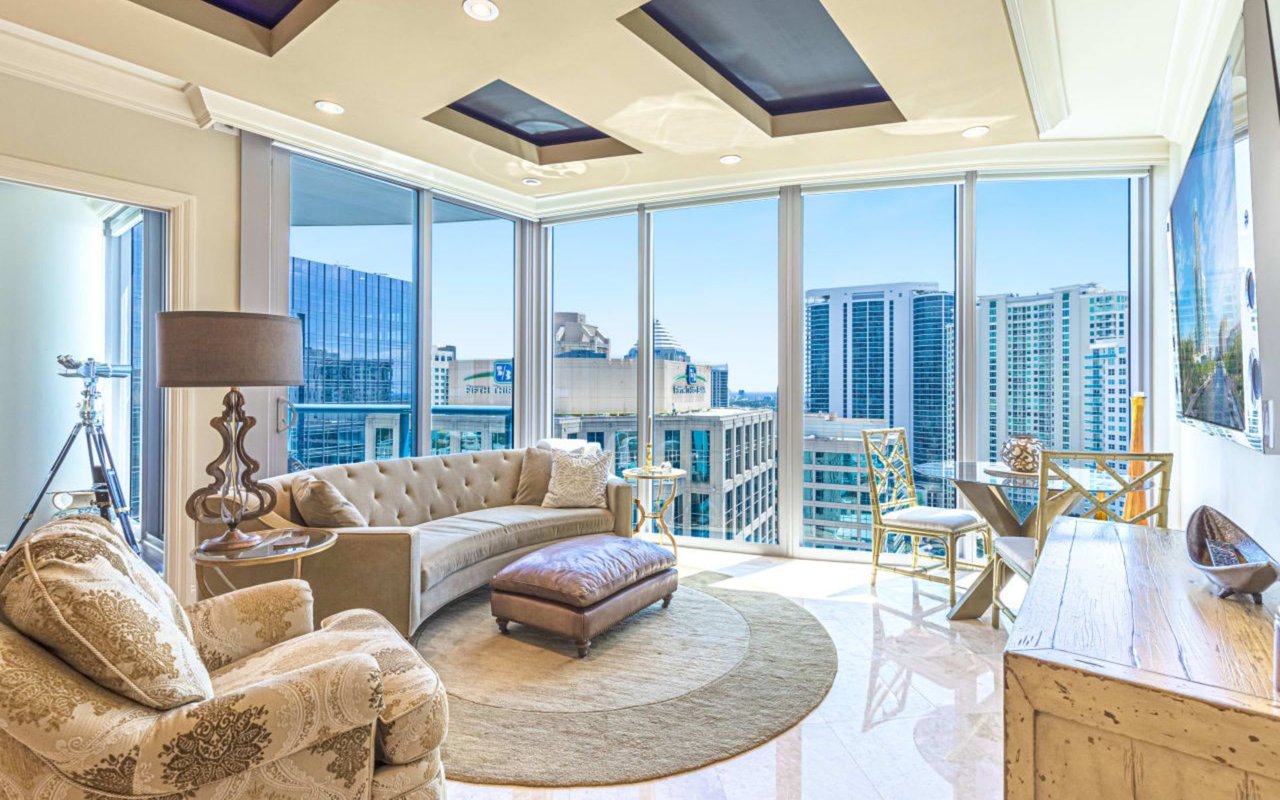
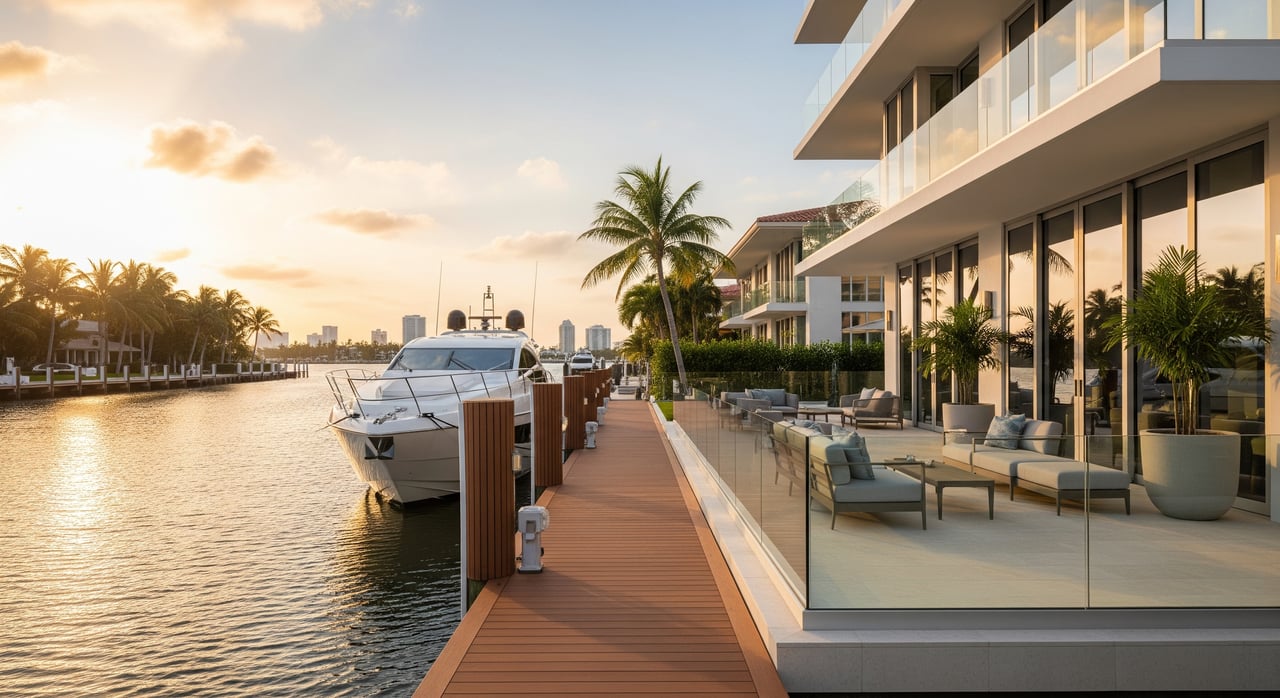
Do you picture walking downstairs, untying your lines, and cruising the New River to the ocean in minutes? If you own a boat, a Las Olas or downtown Fort Lauderdale condo with dockage can deliver that lifestyle. The details matter though, from slip rights to bridge timing and depth. This guide explains how dockage typically works on the New River, what to ask, and how to plan a smooth route to the Atlantic. Let’s dive in.
How condo dockage works
Downtown riverfront condos often offer boat dockage managed by the association or a contracted operator. You’ll usually see one of three models:
- Deeded or assigned slips that transfer with the unit or are permanently allocated
- Rental slips leased monthly or annually from the HOA or marina
- Waitlist or valet programs that share limited dock space among owners
Your rights and responsibilities live in the condominium declaration, bylaws, rules, and any marina addenda. For bridges and on-water operation, rules are set by the U.S. Coast Guard drawbridge regulations, Florida law, and local authorities.
Before you fall in love with a view, confirm the essentials in writing. Key items include:
- Whether slips transfer with the sale or are separately leased
- Size limits: maximum length overall, beam, draft; permitted boat types
- Fees: monthly slip fees, transfer costs, deposits, guest rates, and any special assessments
- Insurance: minimum liability, hull coverage, and naming the association as additional insured
- Use rules: guest docking, liveaboard limits, noise, repair restrictions
- Maintenance duties: who handles docks, pilings, utilities, seawall, and any dredging contribution
- Storm plans: required prep steps and any added charges during hurricane season
Slip availability and sizes downtown
Las Olas and the New River are in high demand. Many buildings have fewer slips than units, so availability is constrained and waitlists are common. Some associations prioritize certain unit types or long-term owners, and transient/guest space is limited.
Slip sizes at in-building docks often range from about 30 to 60 feet, with beam limits that may be tighter than a full-service marina. Depth at mean low water is a critical measurement on the New River, especially if your boat draws more than average. Utilities such as water and 30A/50A power are common, and power may be metered or billed in bulk.
Fee structures vary by building and service level. Expect some combination of:
- Monthly or quarterly dock fees (flat or per-foot)
- Transfer or assignment fees when a slip changes hands
- Application or waitlist fees and security deposits
- Separate billing for electricity and water
- Higher guest/transient rates if permitted
- Occasional assessments for dock, seawall, or dredging work
Most associations require current registration, proof of insurance, and signed marina rules. Failure to maintain insurance can suspend docking privileges.
Bridges, tides, and your route to the ocean
From most downtown slips, you’ll navigate down the New River to the Intracoastal Waterway and then out to the Atlantic. Your timing can depend on drawbridge schedules and local traffic. Operating rules and opening procedures are governed by the U.S. Coast Guard drawbridge regulations, and real-time updates are posted in the Coast Guard’s Local Notices to Mariners.
Vertical clearance at fixed bridges and closed clearances at movable bridges matter for tall boats. Tides in Broward County are relatively small, but even minor variations can affect depth at slips and in narrow channels. For planning tides and currents, consult NOAA tides and currents.
Shoaling and dredging can change depths over time. Broward County’s waterway team posts local information on speed zones and waterway projects; check Broward County Waterway Management for current guidance. When evaluating a building, ask for recent depth surveys and any dredging history.
Day-to-day realities of boating from a condo
Condo docks are residential, not full-service marinas. Most buildings limit on-dock repairs and may prohibit fueling or storing hazardous materials. Quiet hours and generator rules are common, and long-term liveaboards are often not allowed.
Fuel, haul-out, and major service are typically handled at nearby commercial marinas. If you need frequent service or have a larger yacht, plan your maintenance logistics in advance. Some luxury properties offer valet or on-demand boat services for an additional fee.
During storm season, expect a clear hurricane plan that may require hauling out, strapping to pilings, or relocating your vessel. Costs for haul-out, storage, and supplies are usually owner expenses. Review liability provisions to understand responsibilities for any dock or neighbor damage.
Buyer due diligence checklist
Documents to request
- Full condominium declaration and bylaws
- Rules and regulations plus any marina/slip addenda
- Current slip license or lease and any transfer steps
- Association meeting minutes for the past 12 to 24 months
- Slip assignment policy, waitlist rules, and current fee schedule
- Insurance requirements and sample certificate
- Recent inspection reports for docks, pilings, and seawall
- Depth charts at mean low water, plus dredging history or plans
- Hurricane and storm procedures, including owner responsibilities
Key questions to ask
- Is the slip deeded, assigned, or licensed? Does it transfer with the unit?
- What exact LOA, beam, and draft are allowed? Any documented exceptions?
- How are slips prioritized and waitlisted? What is the current wait time?
- Who maintains docks, pilings, utilities, and the seawall?
- How are power and water billed? Are pedestals metered?
- Are liveaboards permitted? What are guest docking rules?
- What insurance limits are required? What happens if coverage lapses?
- Are there any dock-related claims, litigation, or pending assessments?
- How does the storm plan work and who pays for haul-out or storage?
- Are there depth restrictions or upcoming dredging projects nearby?
Navigation and route checks
- Measure bridge clearances for your vessel and review Coast Guard rules and Local Notices to Mariners
- Verify channel depths at mean low water with current surveys and NOAA tides and currents
- Visit the dock at different tide and wind conditions to test maneuverability
On-site inspections
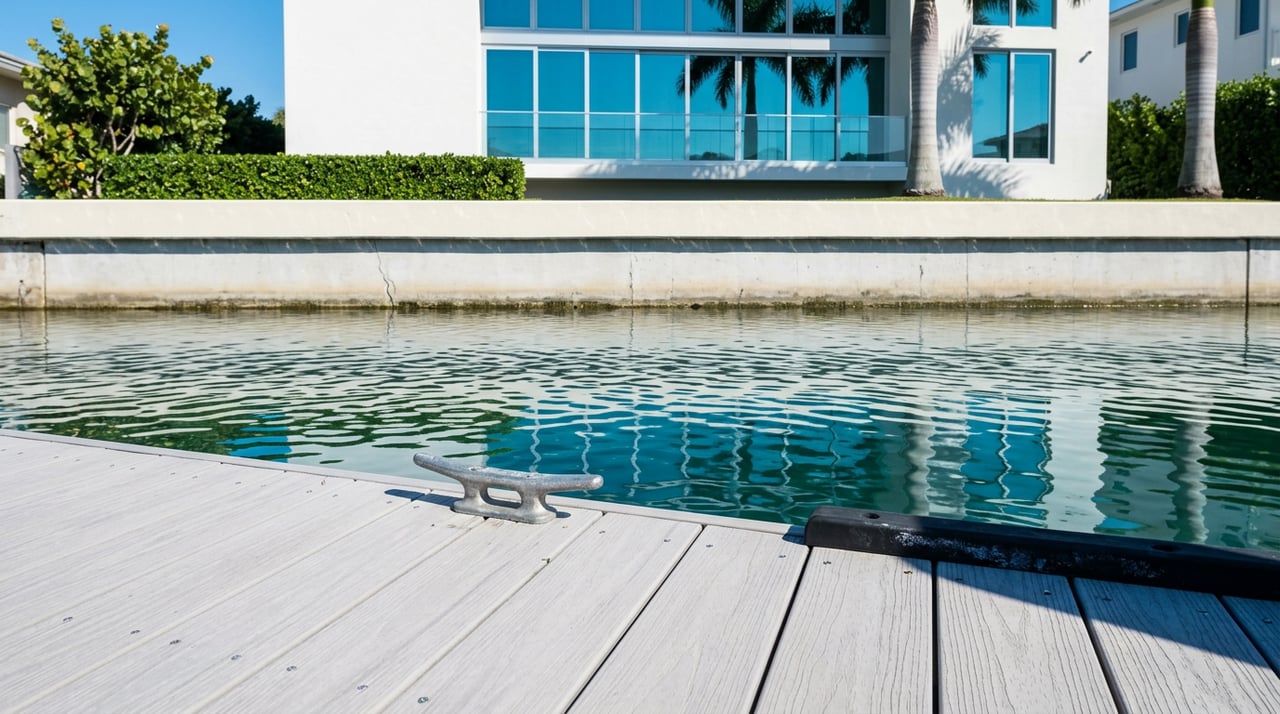
- Examine cleats, fendering, pilings, and pedestals for condition
- Observe boat traffic, wakes, and noise day and night
- Confirm access to trash, pump-out, shared tools, and staging areas
Local resources
- Florida Fish and Wildlife boating laws for registration and safety
- U.S. Coast Guard for bridge rules and notices
- Broward County and City of Fort Lauderdale marine pages for speed zones and projects
Work with a hyperlocal expert
Condo dockage on the New River is nuanced. Slip rights, waitlists, depth, and bridge timing can make or break your boating routine. A local broker who knows each building’s marina rules, storm plans, and typical slip profiles can save you time and costly surprises.
If you are comparing options like NuRiver Landing or other riverfront towers, we can help you confirm transferability of slips, interpret HOA rules, and pre-qualify a slip for your boat’s exact LOA, beam, and draft. We’ll sync your lifestyle goals with the right building and route to the ocean. When you are ready, connect with D’Angelo Realty Group for a focused consultation.
FAQs
What kinds of condo slips exist along Las Olas and the New River?
- You’ll typically find deeded or permanently assigned slips, rental slips from the association, and shared systems using waitlists or valet-style programs.
How do drawbridge schedules affect boating from downtown Fort Lauderdale?
- Bridge openings follow Coast Guard rules; check the U.S. Coast Guard drawbridge regulations and current Local Notices to Mariners before you depart.
Are liveaboards allowed at Fort Lauderdale condo docks?
- Many associations prohibit long-term liveaboards; confirm the specific rule set in the building’s marina addendum and condo regulations.
What fees should I expect for condo dockage in South Fort Lauderdale?
- Common costs include monthly slip fees, transfer or application charges, deposits, utilities, and occasional assessments for dock or seawall work; verify the current schedule with the HOA.
How can I confirm my boat will fit a New River slip?
- Match your exact LOA, beam, and draft to the building’s limits, review mean low water depths, and test maneuvering at different tides and winds with recent surveys and NOAA tides and currents.