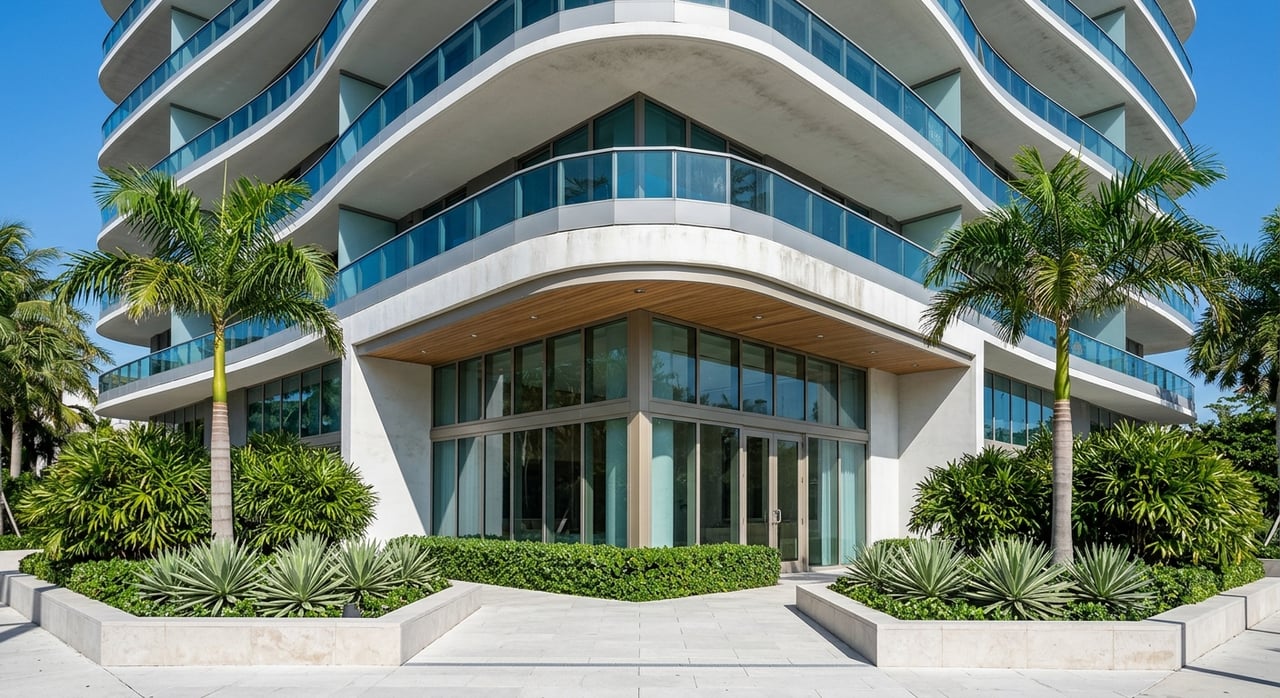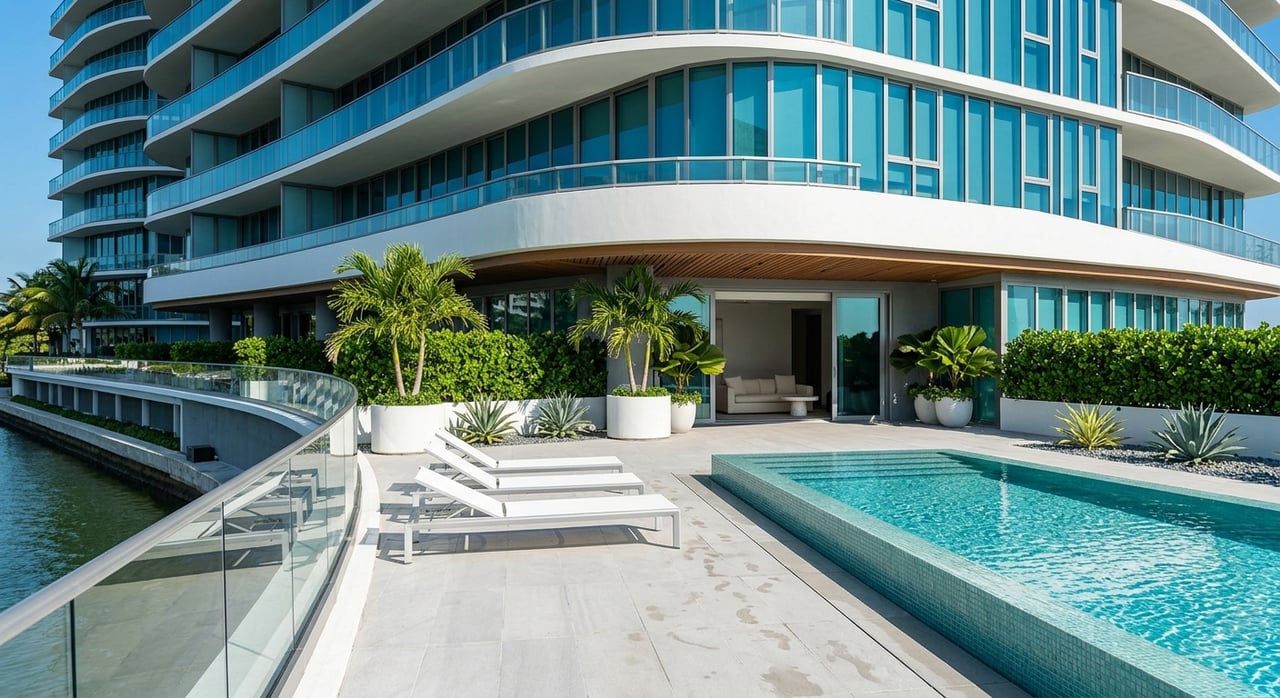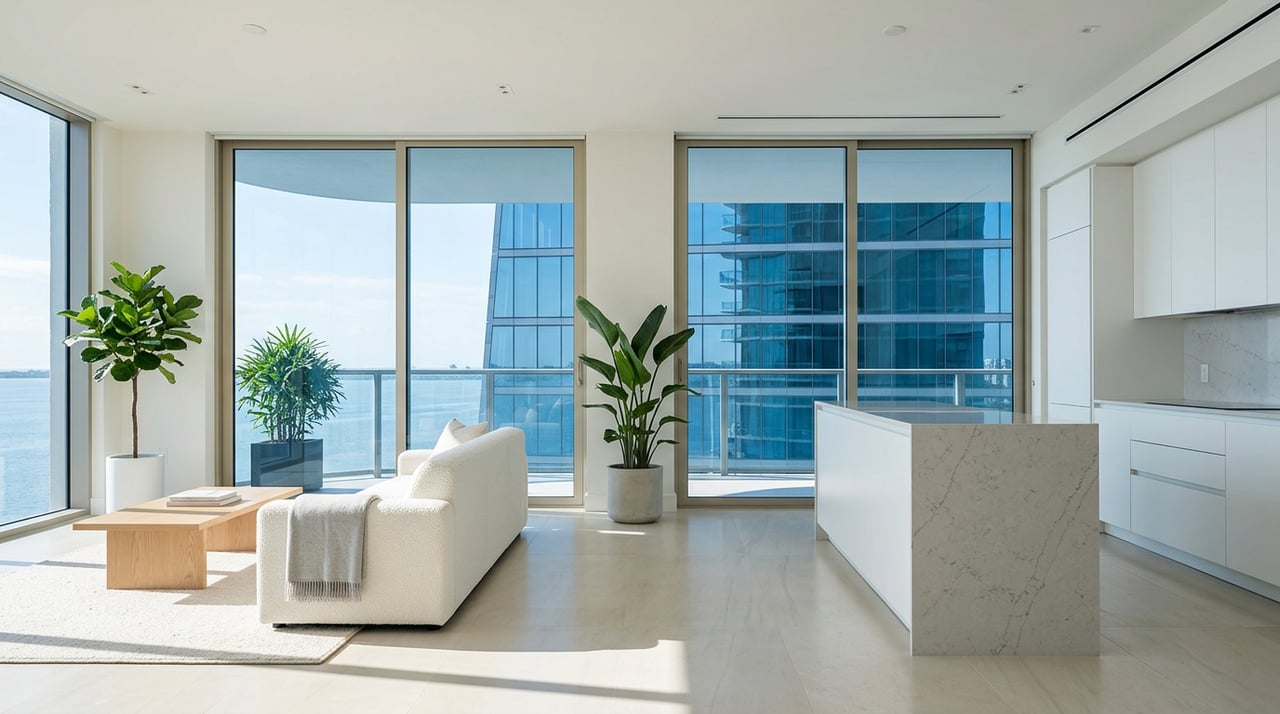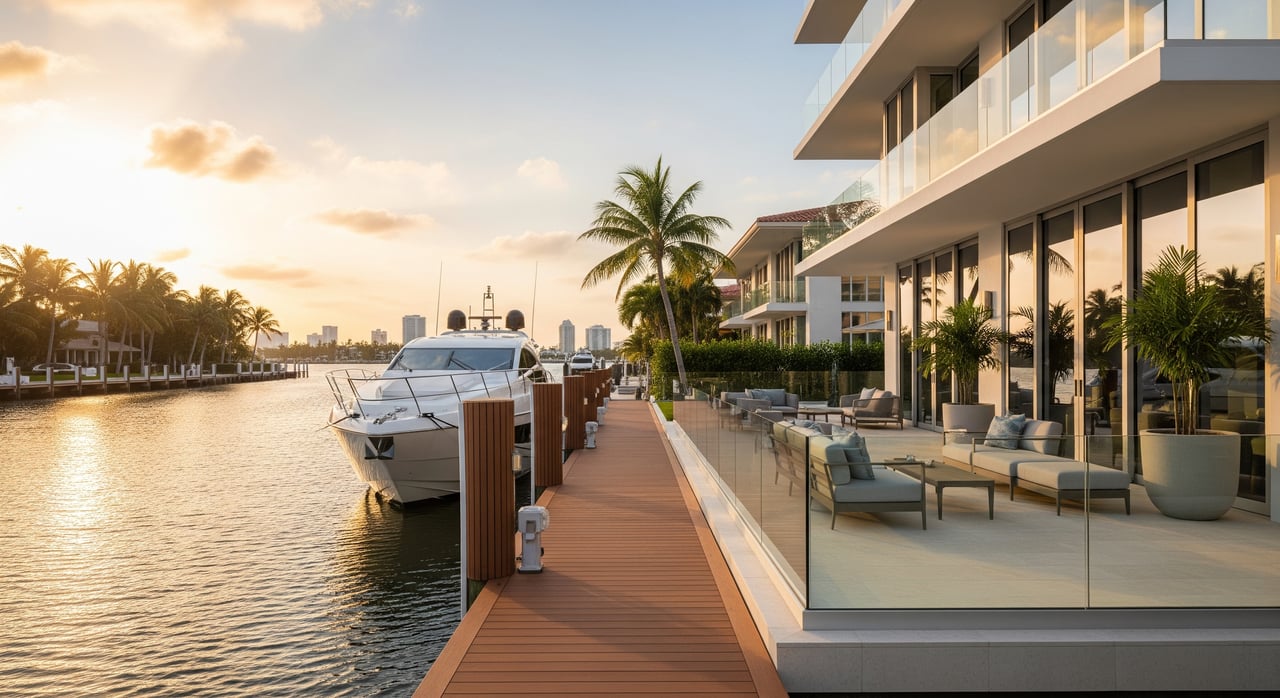
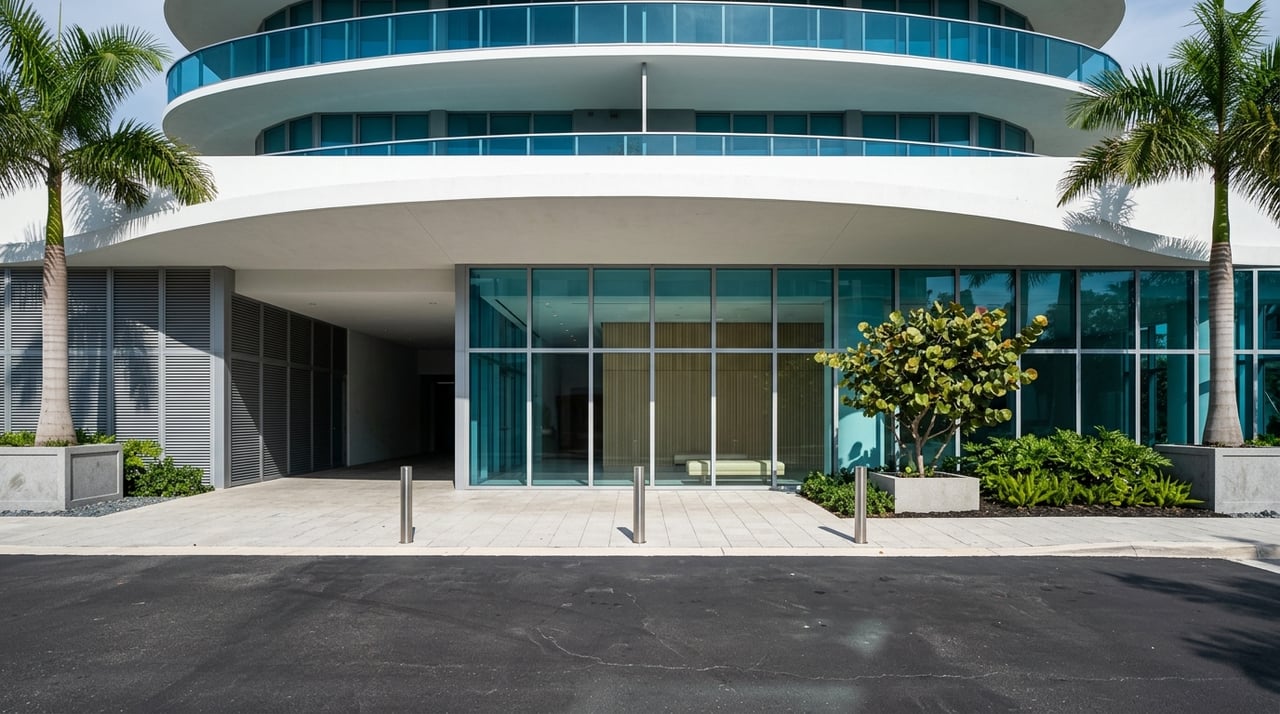
If you are choosing between a beachfront condo and a downtown Fort Lauderdale condo, the price tag only tells part of the story. What usually shapes the better fit is how you want to live day to day, how much convenience matters, and how comfortable you are with building-related costs and due diligence. If you live in or near Oakland Park and are weighing both options, this guide will help you compare the real differences so you can make a smarter move. Let’s dive in.
Beachfront condo lifestyle
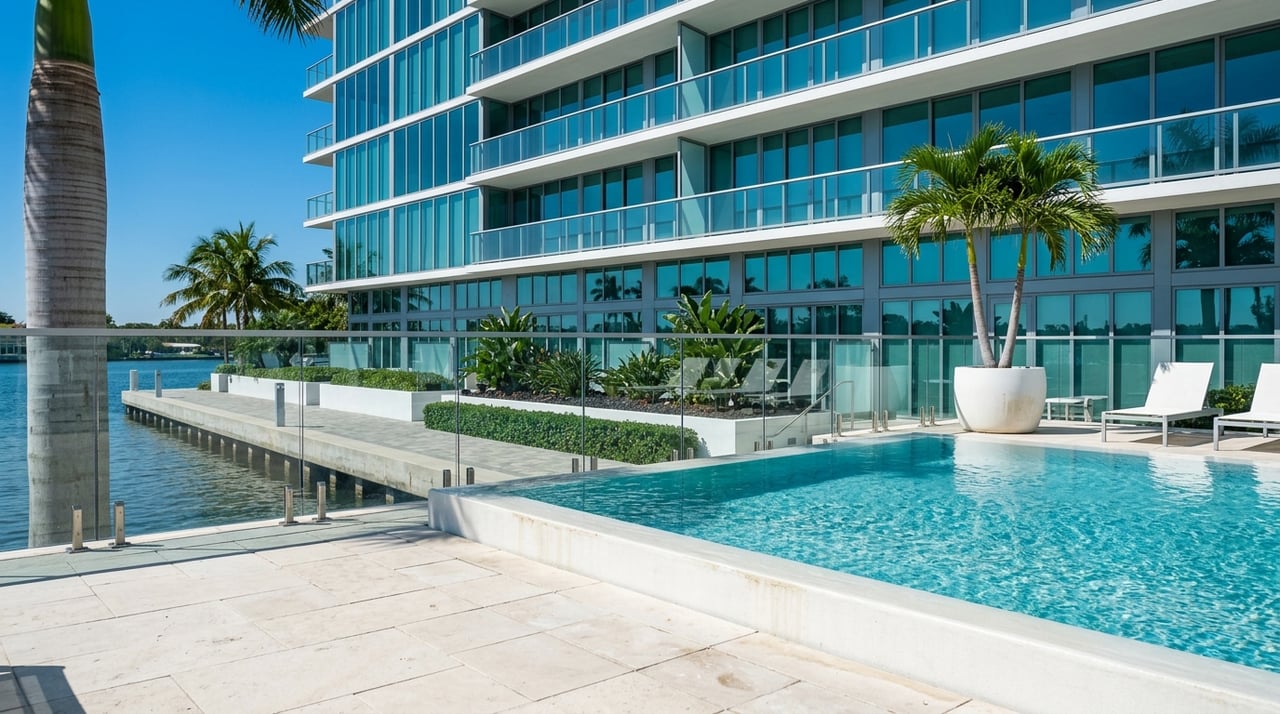
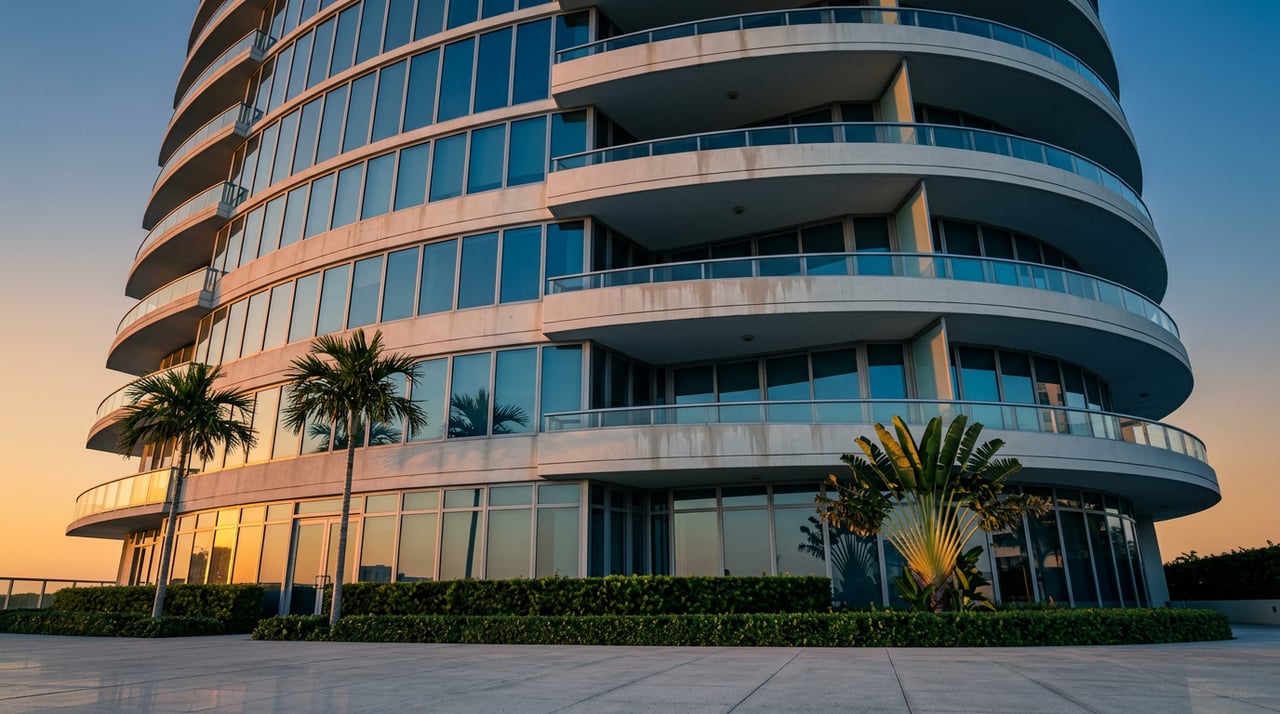
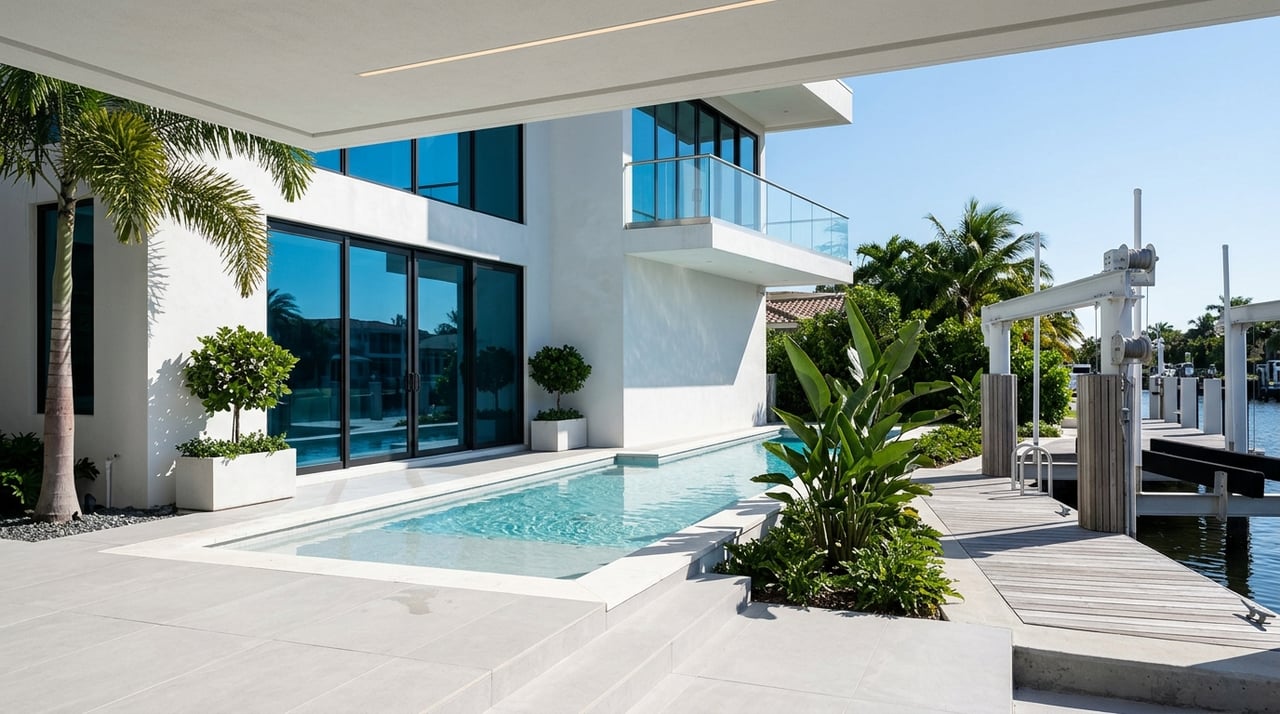
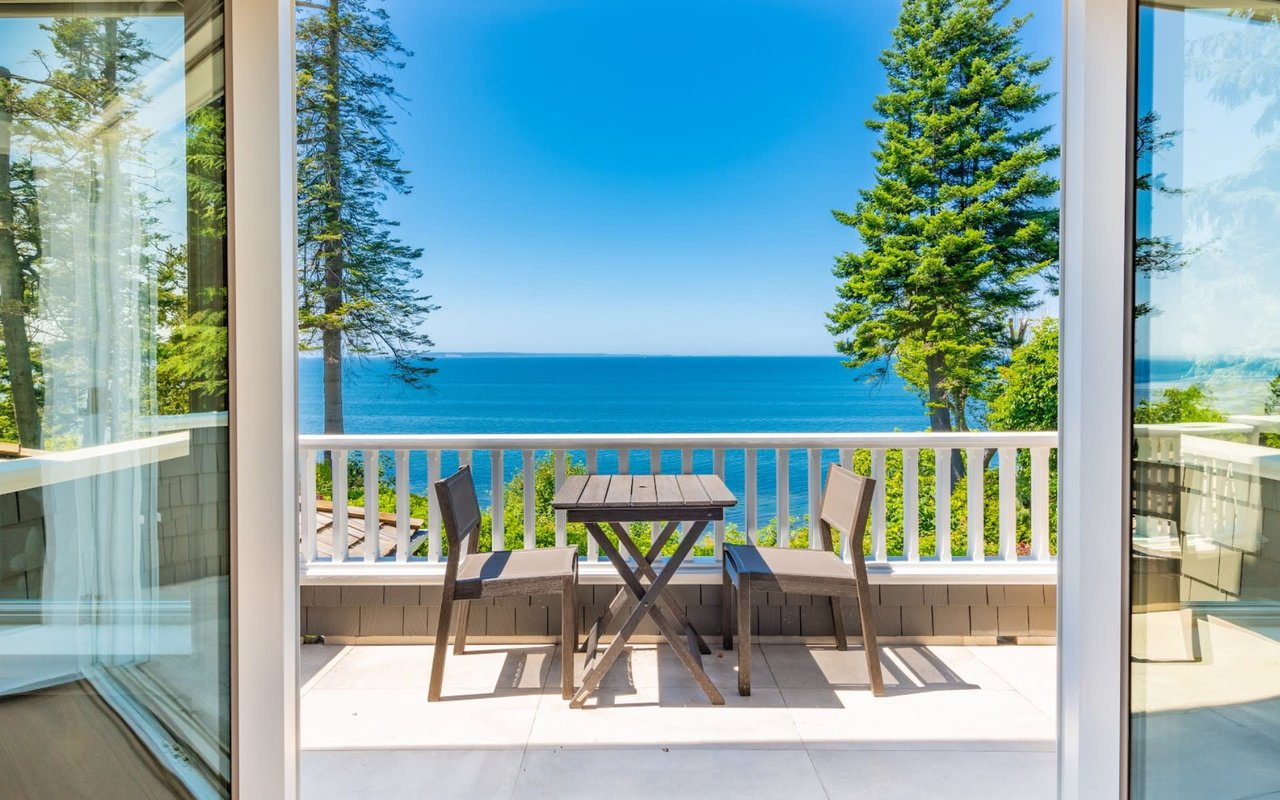
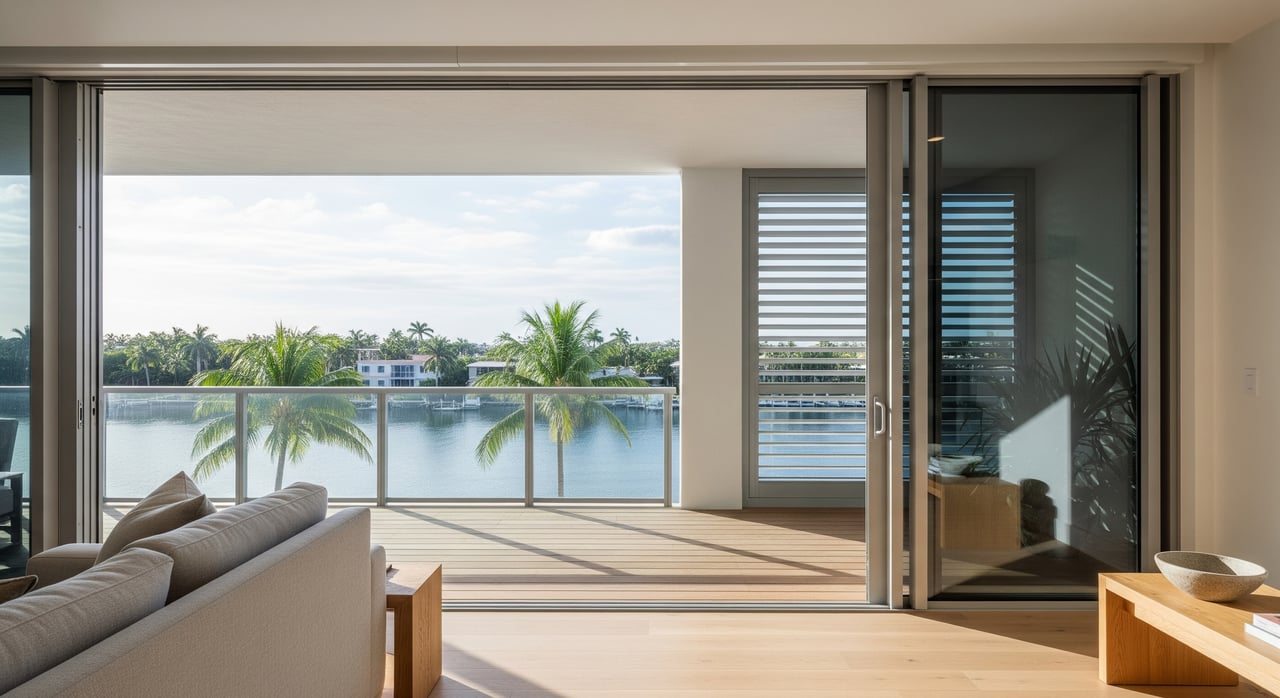
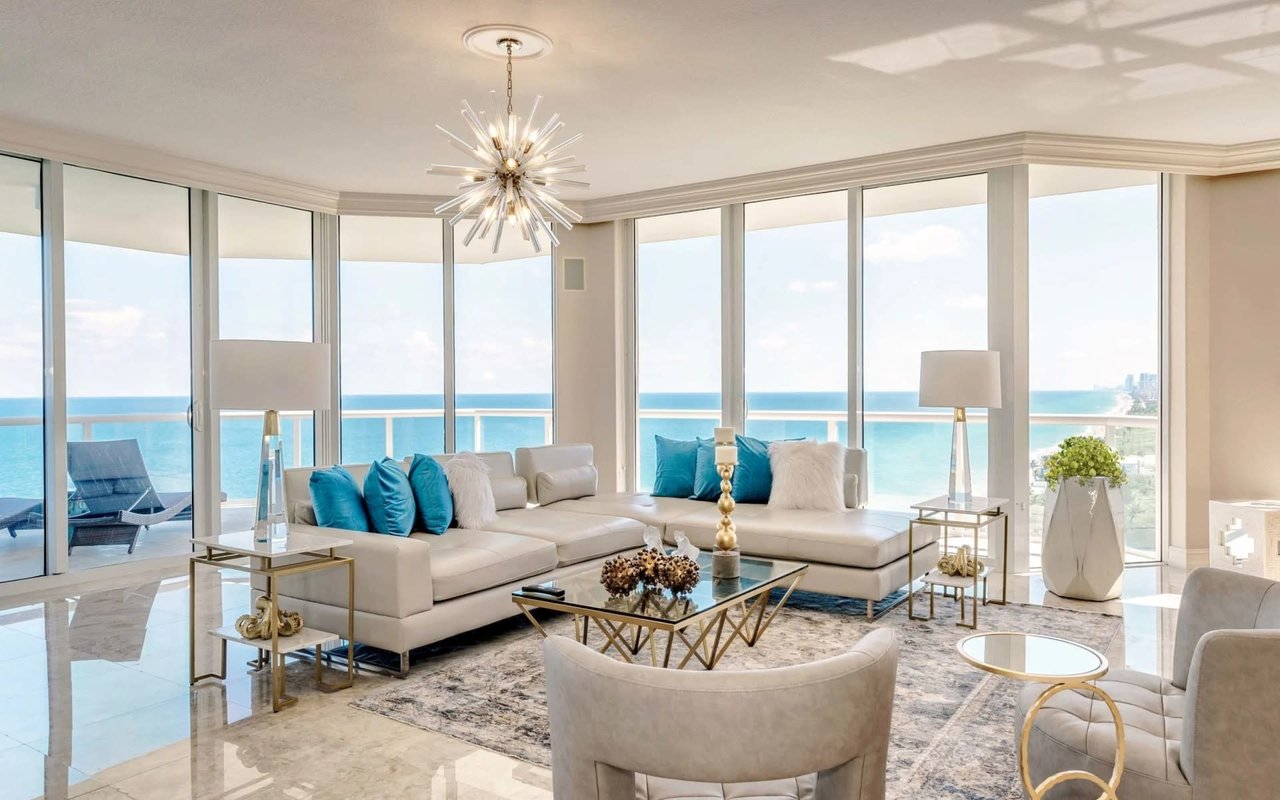
A beachfront condo in Fort Lauderdale is centered on immediate access to the sand, ocean views, and a resort-style setting. City planning for the Central Beach area describes it as a dynamic, mixed-use, pedestrian-friendly urban beach destination with a strong waterfront focus. In practical terms, that means your surroundings are shaped by the beach first, then by shops, restaurants, and public spaces that support that coastal lifestyle.
For many buyers, the main appeal is simple: you can step outside and be close to the ocean. That can make a big difference if you want a second home, seasonal property, or full-time residence built around outdoor time and a more vacation-like feel. Buildings in this area are often judged by beach access, views, and how well they fit into the active coastal district.
Downtown condo lifestyle
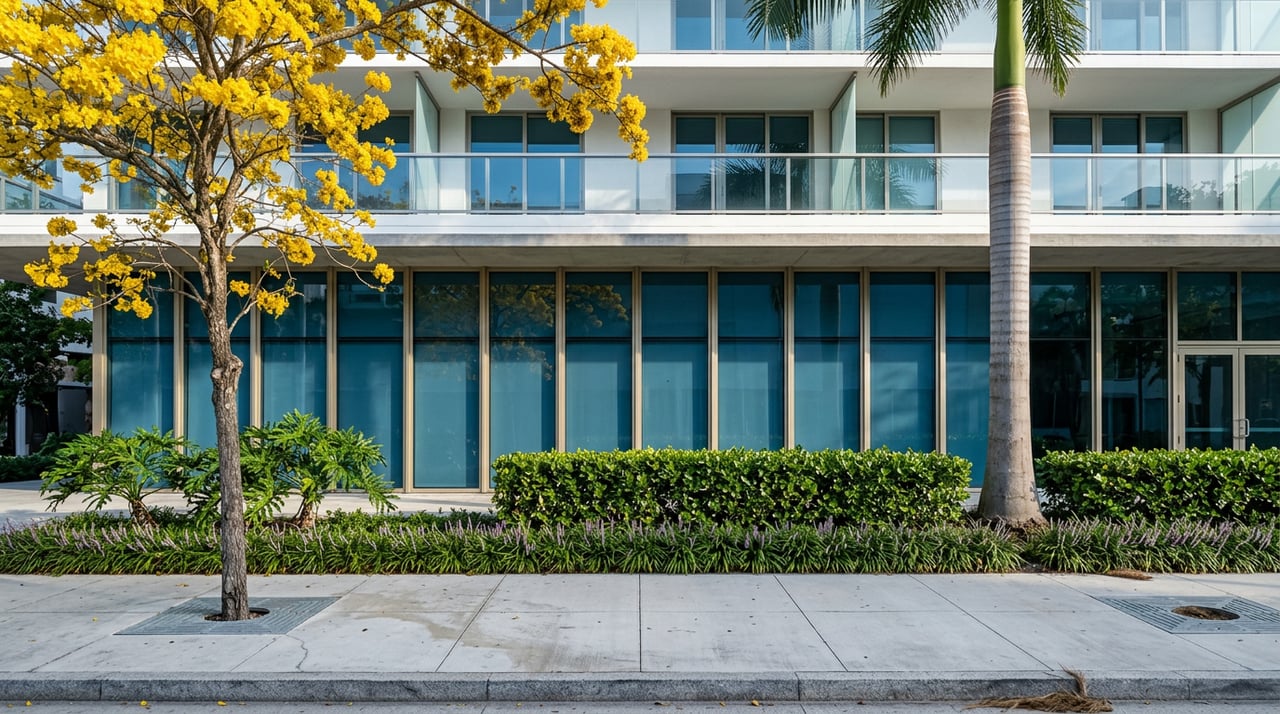
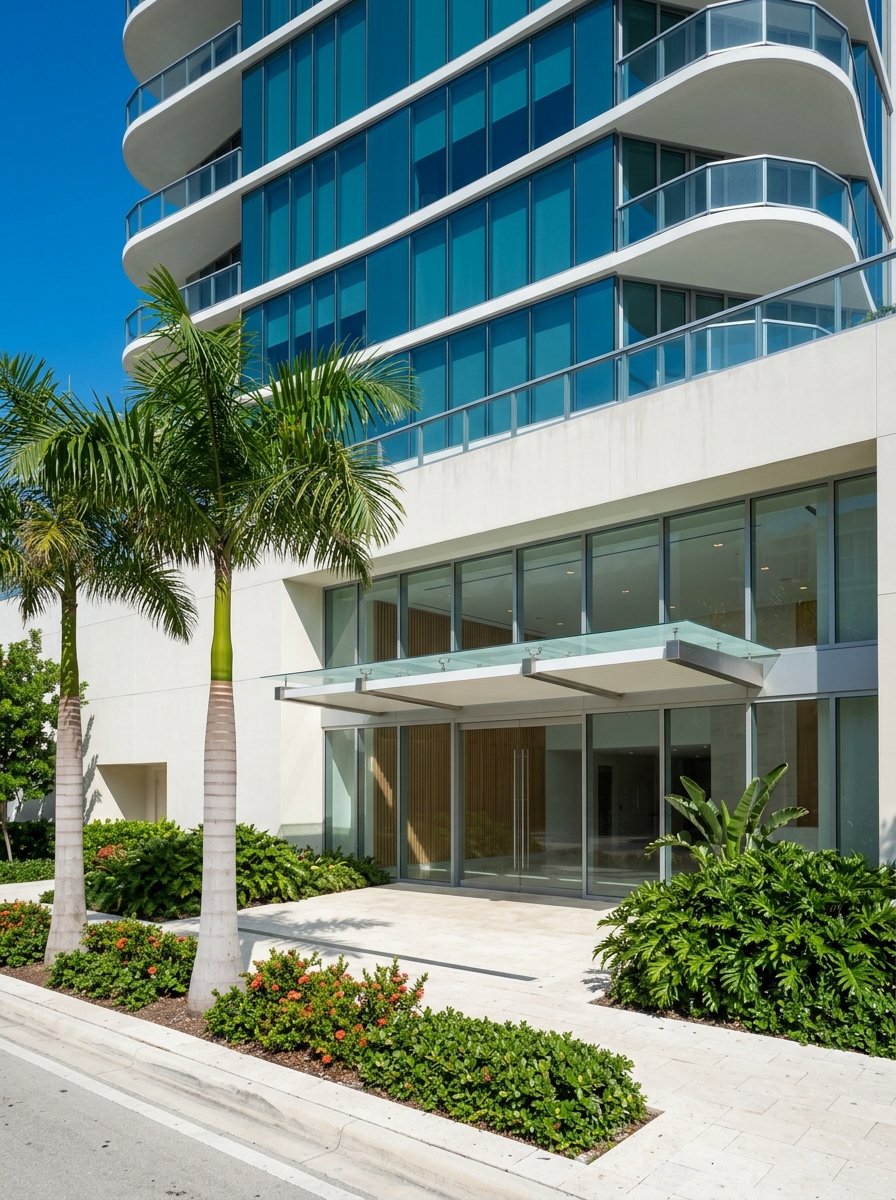
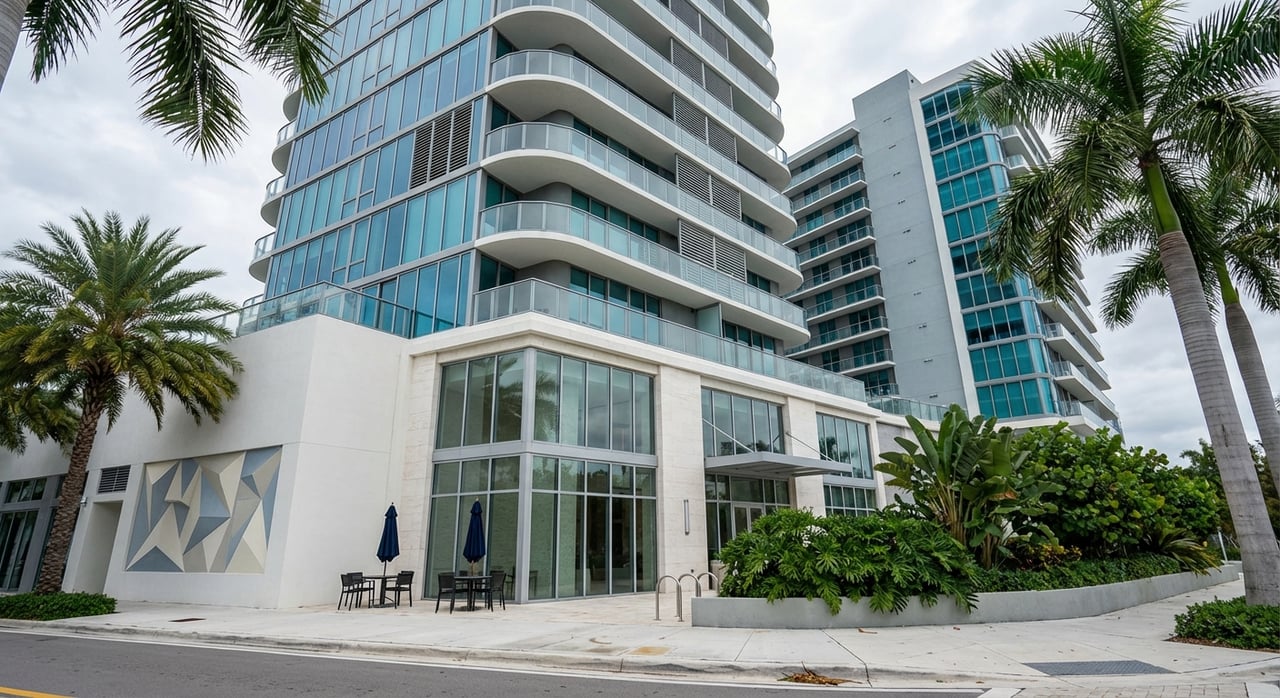
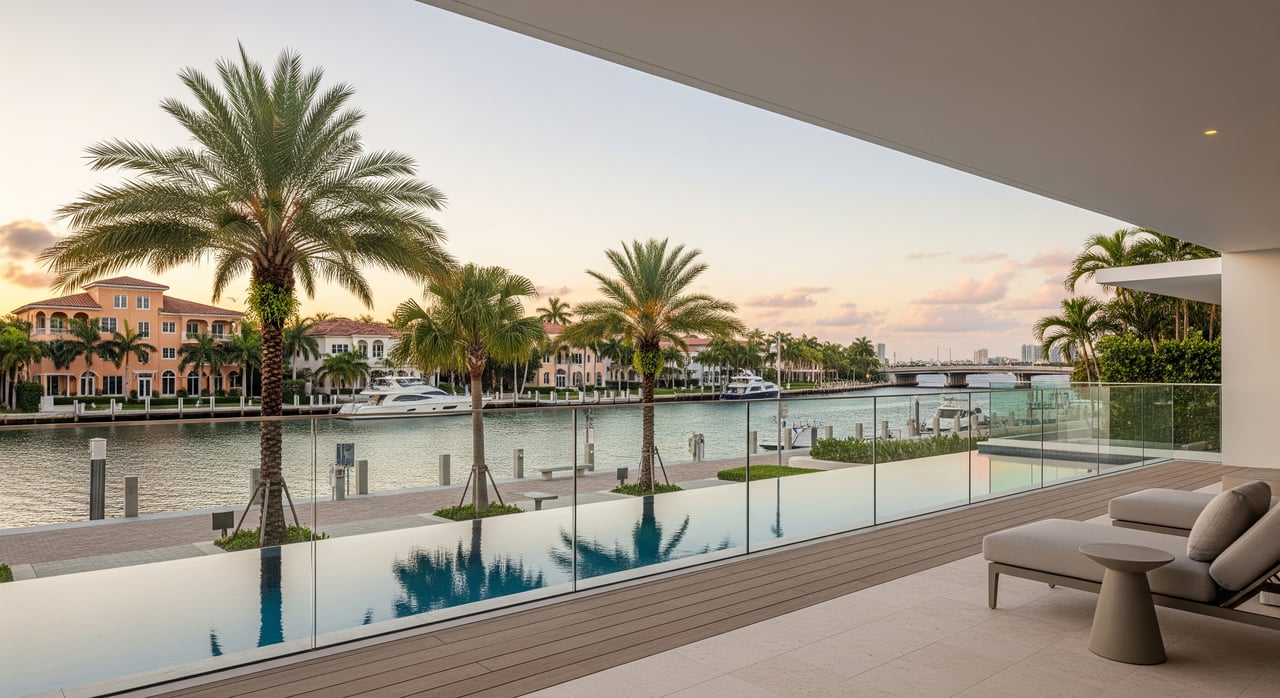
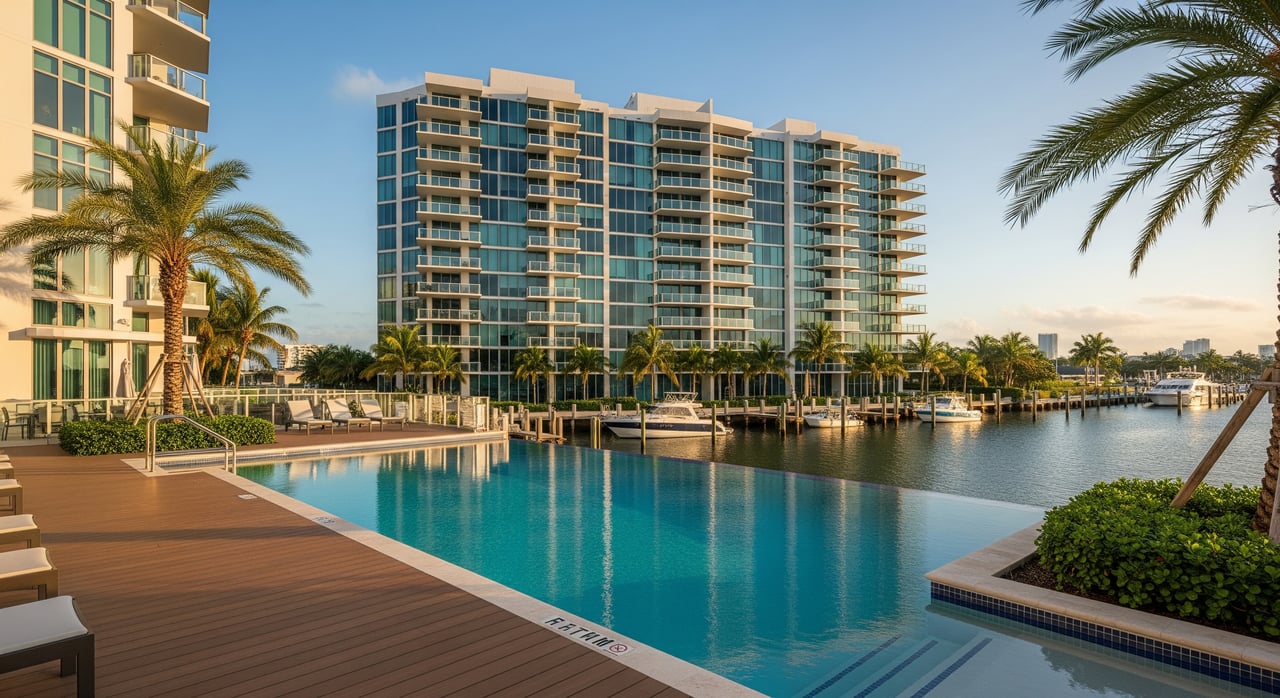
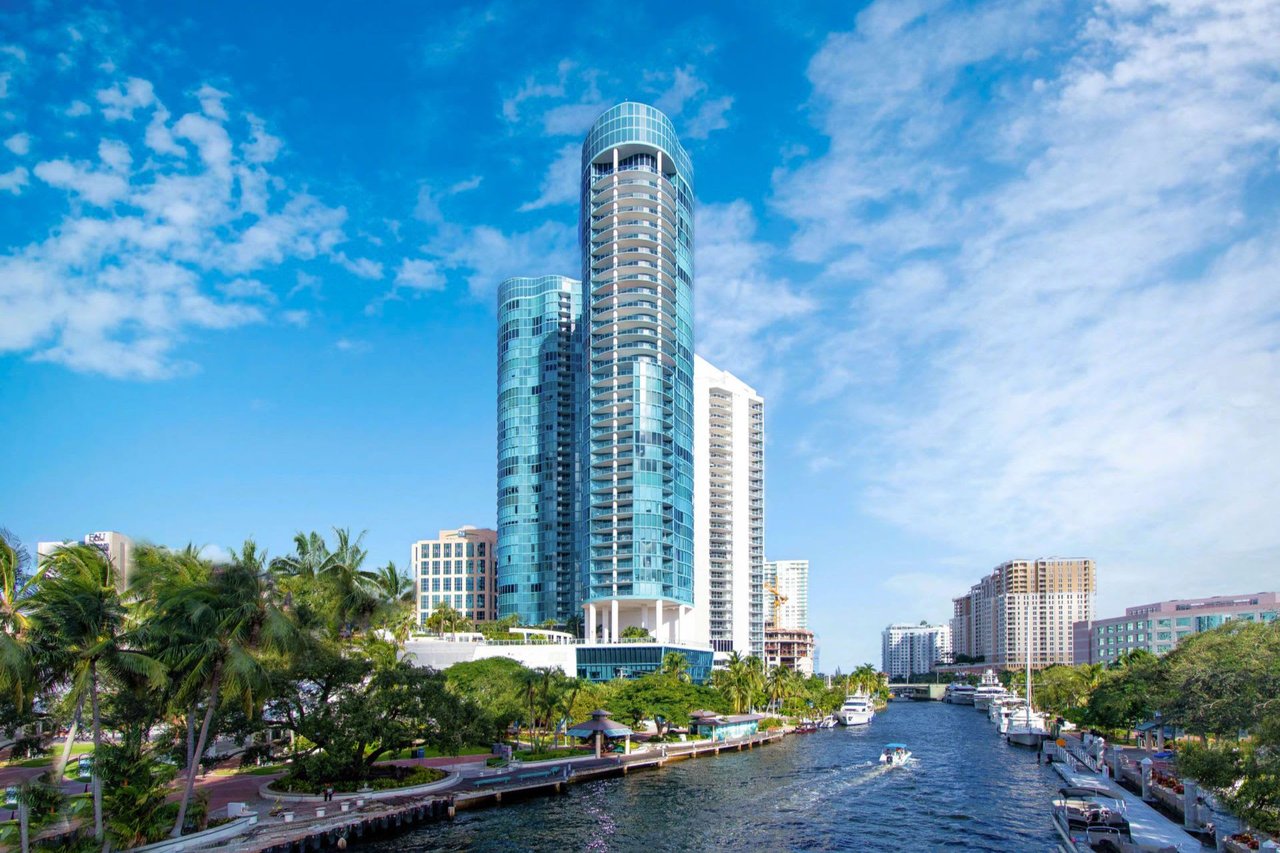
Downtown Fort Lauderdale offers a different kind of convenience. The city’s downtown and New River planning describes the river as a center of activity and highlights a mix of housing, culture, recreation, entertainment, commerce, and boating. If you like the idea of being near Riverwalk, parks, dining, and cultural venues, downtown often feels more connected to everyday city living.
Las Olas Boulevard adds another layer to that appeal. The city describes it as a centerpiece for fashion, dining, and entertainment, which helps explain why downtown is often the stronger choice for buyers who want restaurants, nightlife, and walkability close to home. Instead of a sand-first setting, you get a more urban rhythm with riverfront and street-level activity.
Day-to-day feel compared
The beach and downtown are both walkable, but they do not feel the same. The Central Beach area is designed around an active pedestrian environment, open space, and streetscape standards that support a coastal district. That creates a setting where the public realm is part of the experience, especially for owners who want to spend time outside near the waterfront.
Downtown walkability is built around a different routine. The Riverwalk District is positioned as an urban center where a night out can flow from a gallery to a show to dinner with minimal driving. Ongoing mobility improvements on Las Olas, including wider sidewalks, added shade, raised crossings, and traffic calming, further reinforce that urban character.
Building styles and what buyers value
In beachfront buildings, buyers often focus on access to the sand, view corridors, and a building’s relationship to the coastal setting. The experience is often tied to what you see from the unit and how quickly you can reach the beach. If your priorities start with sunrise views and a waterfront atmosphere, that usually pushes the beach corridor to the top of your list.
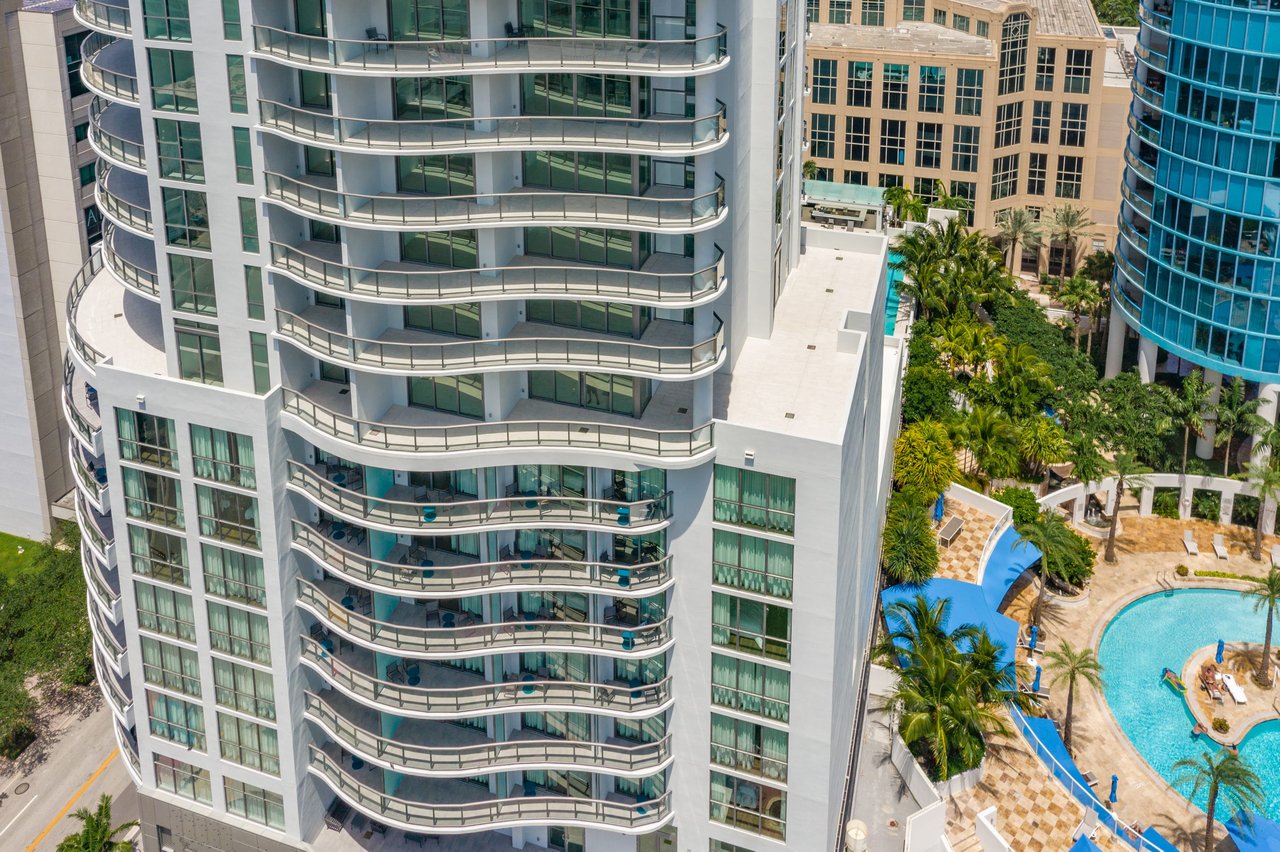
In downtown and riverfront towers, the decision tends to lean more on access to restaurants, parks, entertainment, and transit-friendly amenities. The building itself still matters, but the surrounding lifestyle often carries more weight in the decision. For some buyers, being able to walk to dinner or along the river is more useful than being directly on the sand.
Parking and mobility differences
Parking is one of the clearest practical differences between the two areas. Fort Lauderdale offers a residential beach parking permit for $75 plus tax per year, which allows parking at Fort Lauderdale Beach Park, North Beach meters, and the Las Olas Garage, though it is not valid during special events. For non-residents, main beach parking areas are listed at $4 per hour.
Downtown parking is more garage-oriented. The Arts & Science District Garage is listed at $3 per hour, with a $1.50 resident rate, while City Hall Garage is listed at $4 per hour with the same resident rate structure. If you expect to be in and out frequently, or if guests will visit often, these details can affect how convenient your condo feels after the excitement of the purchase wears off.
The city also supports both lifestyles with free mobility options. LauderGO! includes a free Water Trolley on the New River and a free Micro Mover serving Downtown and the Beach. For beach trips, the city notes that Broward County Transit is the main public transportation option to and from Fort Lauderdale Beach, with a city community shuttle also available.
Costs go beyond the purchase price
A common mistake is comparing only listing prices. In Spring 2026 snapshots, Lauderdale Beach showed a median list price of about $799,000, while Downtown Fort Lauderdale showed about $815,000. That suggests the headline price gap may not be dramatic, but these are list-price snapshots, not closed-sale comparisons.
Broader city condo data also shows why buyers need to look deeper. Broward MLS metrics for Q1 2026 reported 407 closed condo sales in Fort Lauderdale, with a median sale price of $485,000, an average sale price of $775,316, and 11.6 months of supply. The gap between median and average points to a market with a meaningful luxury segment, which is especially relevant when you are comparing high-end beach and downtown towers.
In real life, the bigger cost difference often comes from exposure, building age, insurance, reserves, and possible assessments. That is why two condos with similar asking prices can carry very different long-term ownership costs. Before you focus on finishes or views, make sure you understand what the building may require from you financially.
Insurance and exposure matter more at the beach
Flood insurance is available to condo unit owners in Florida, and pricing varies by property risk and provider. The state floodplain program works with the National Flood Insurance Program to regulate development in flood hazard areas. For buyers considering a beachfront condo, that makes flood exposure, windstorm coverage, deductibles, and association insurance important review points.
That does not mean downtown buyers can ignore insurance questions. It means coastal exposure can make the conversation more urgent at the beach. If you are comparing a beachfront tower with a downtown tower, ask early about the association’s coverage, the unit owner’s likely insurance needs, and any recent changes in costs.
Condo due diligence is critical in both areas
Whether you buy on the beach or downtown, Florida condo law has made building due diligence much more important. State law requires milestone inspections for certain residential condos and co-ops that are three habitable stories or more by the end of the year they reach 30 years of age, with repeat inspections every 10 years after that. Local enforcement can require earlier inspections at 25 years when local conditions, including proximity to salt water, justify it.
Fort Lauderdale’s building safety program states that Broward County uses a 25-year inspection threshold for buildings and structures, with follow-up inspections every 10 years. That matters because both beach and downtown buyers may be looking at buildings where inspections, reserve planning, or repair projects affect ownership costs. Older towers in either location deserve especially careful review.
Reserve funding is also more important than it used to be. For associations that must obtain a structural integrity reserve study, budgeting for no reserves or lower-than-required reserves is generally no longer allowed after December 31, 2024. Those reserves may be funded through regular assessments, special assessments, lines of credit, or loans.
For resale buyers, disclosure requirements are more detailed as well. Florida resale contracts now address whether milestone inspections or structural integrity reserve studies are required, and buyers must receive current copies of relevant inspection summaries and the most recent reserve study when applicable. In plain English, you should review the association budget, reserve funding, inspection history, and special-assessment risk before you decide that one view is worth more than another.
Which option fits your goals?
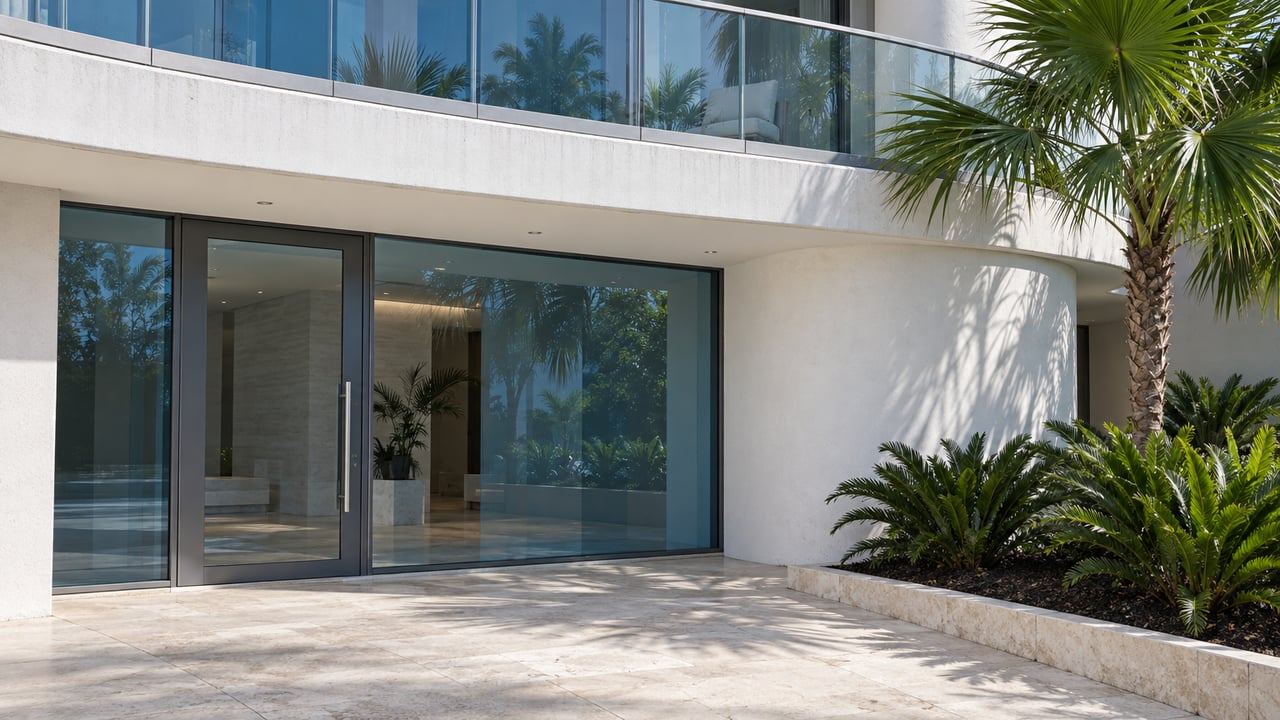
If you want your condo to feel like an escape, the beach corridor may be the better fit. You may prefer the coastal setting, direct waterfront access, and the sense that the ocean is part of your daily routine. This choice often appeals to seasonal buyers and second-home shoppers who want lifestyle value every time they arrive.
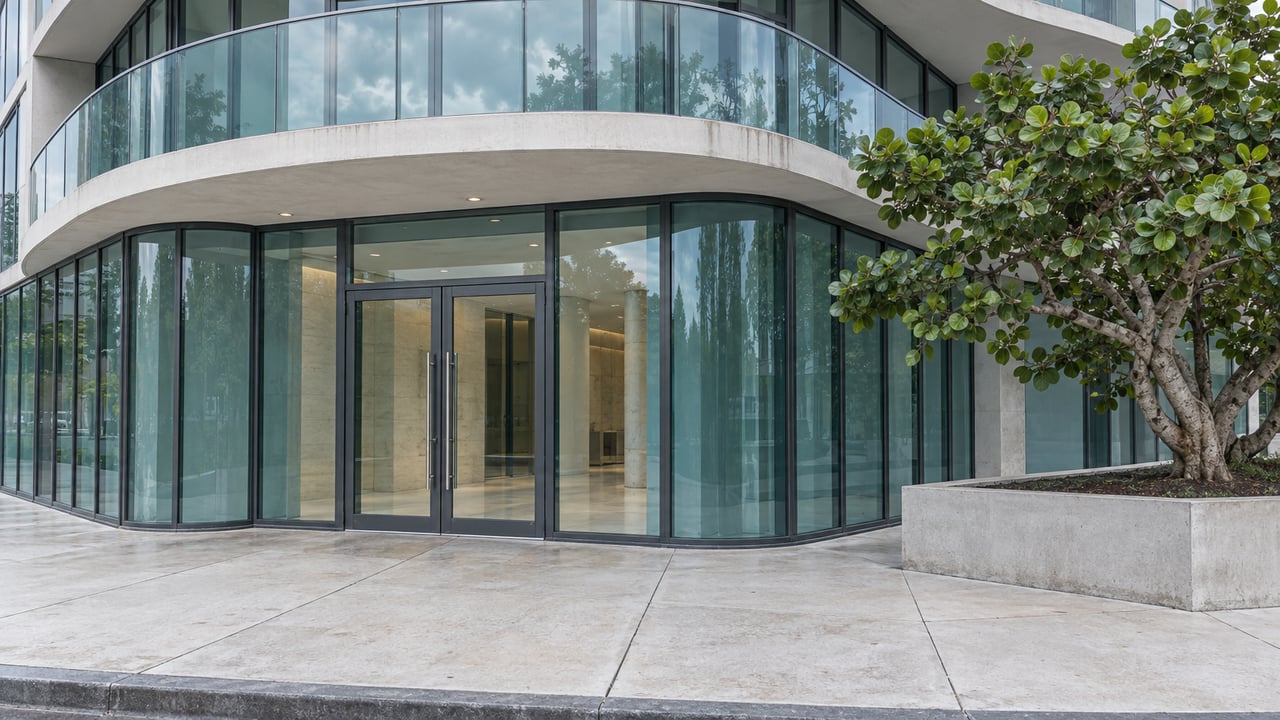
If you want to be close to dining, Riverwalk, Las Olas, and a more connected urban environment, downtown may make more sense. You may value being able to walk to entertainment, enjoy riverfront public spaces, and live in a location shaped by convenience more than by the shoreline. For many full-time owners, that can be the more practical choice.
The right answer depends on how you plan to use the property, not just what looks better in a showing. A condo should support your real routine, your budget, and your comfort level with the building’s condition and carrying costs. When you compare beach and downtown options through that lens, the best fit becomes much clearer.
If you are weighing Fort Lauderdale Beach against downtown towers, working with a local condo specialist can save you time and help you spot differences that do not show up in listing photos. For guidance tailored to your goals, connect with D'Angelo Realty Group.
FAQs
What is the main lifestyle difference between beachfront and downtown Fort Lauderdale condos?
- Beachfront condos are generally centered on ocean access, views, and a resort-style setting, while downtown condos are generally centered on walkability to dining, arts, parks, entertainment, and riverfront amenities.
How do parking options differ for Fort Lauderdale Beach and downtown condos?
- Beach parking includes a residential permit option and metered areas, while downtown parking is more garage-based, with city garages offering hourly rates and resident pricing structures.
Are beachfront Fort Lauderdale condos always more expensive than downtown condos?
- Not necessarily. Spring 2026 list-price snapshots showed similar median list prices in Lauderdale Beach and Downtown Fort Lauderdale, so the bigger differences may come from insurance, reserves, building condition, and overall carrying costs.
What condo documents should buyers review in Fort Lauderdale before purchasing?
- You should review the association budget, reserve funding, inspection history, milestone inspection summaries when applicable, reserve studies when applicable, and the potential for special assessments.
Why is condo due diligence important for both beach and downtown Fort Lauderdale buildings?
- State law and Broward County inspection practices make building condition, reserve planning, and required disclosures important in both areas, especially in older buildings and in properties affected by coastal conditions.