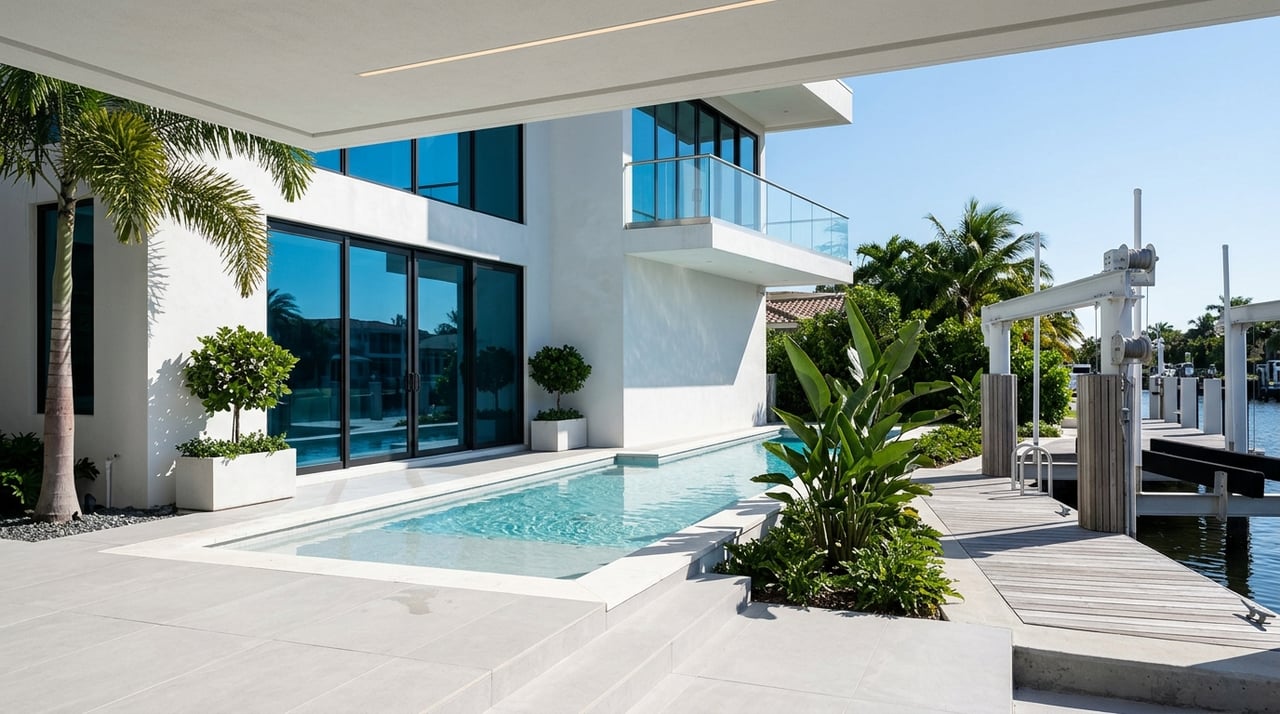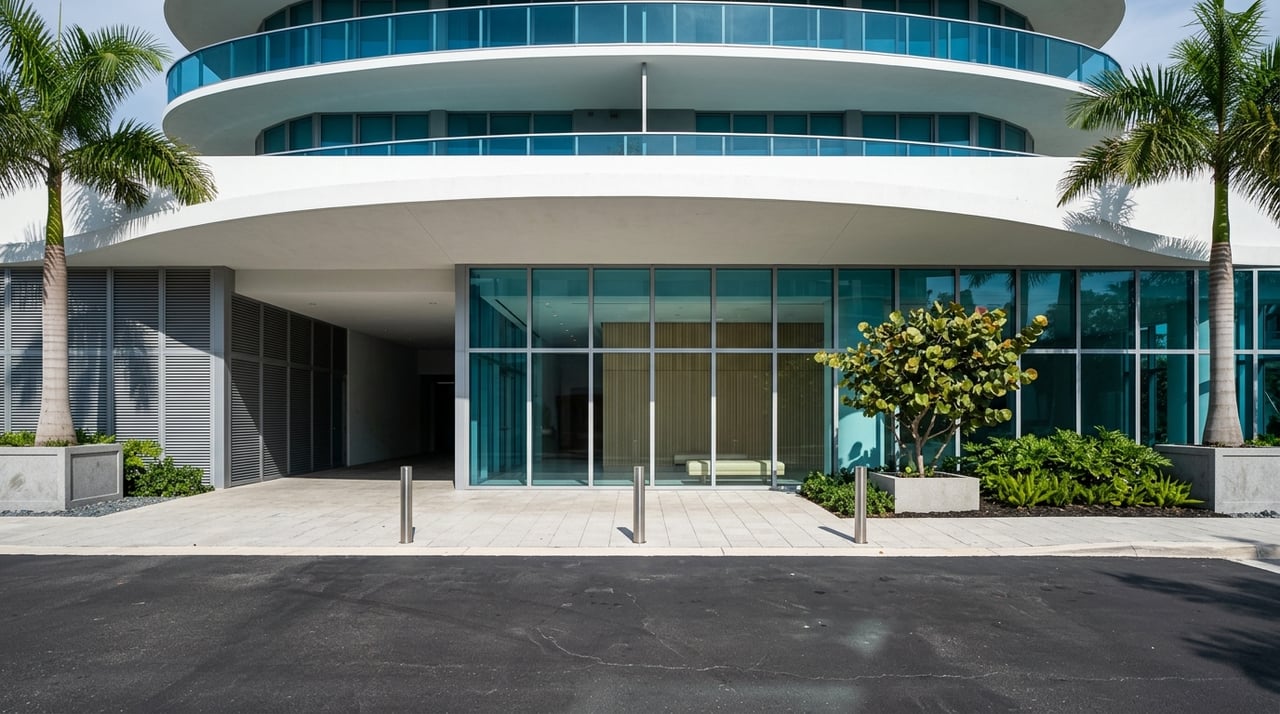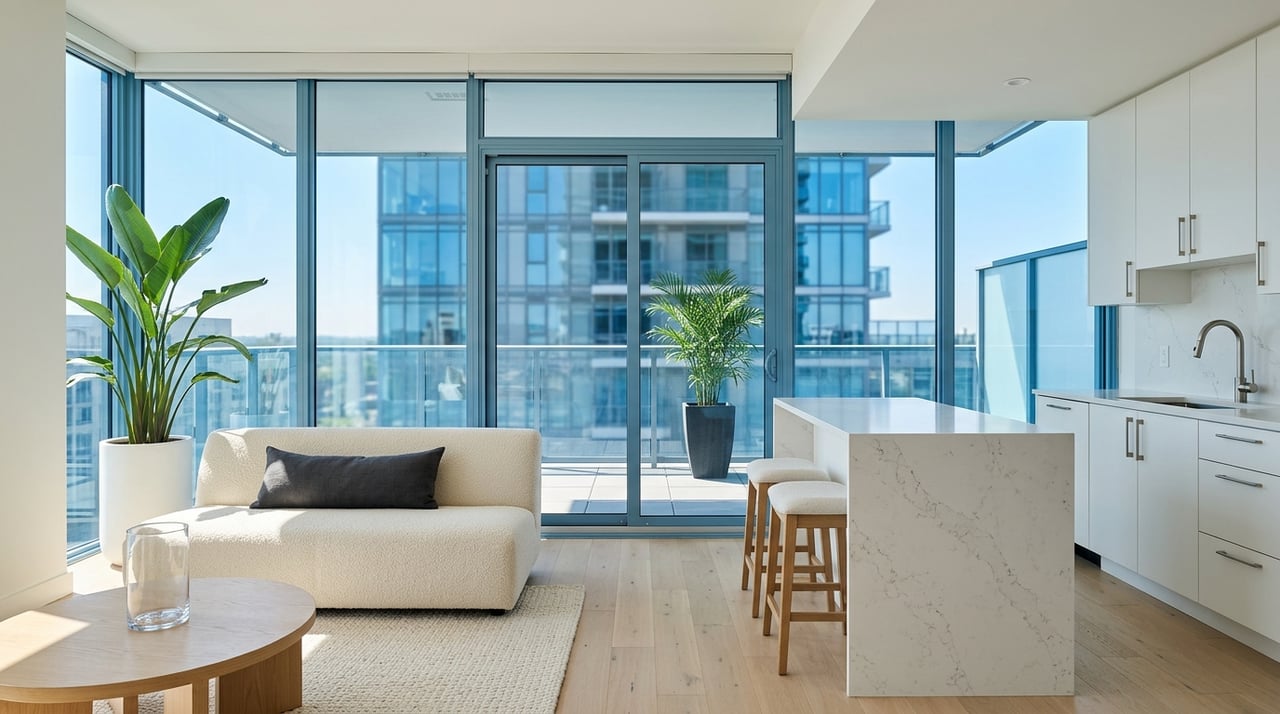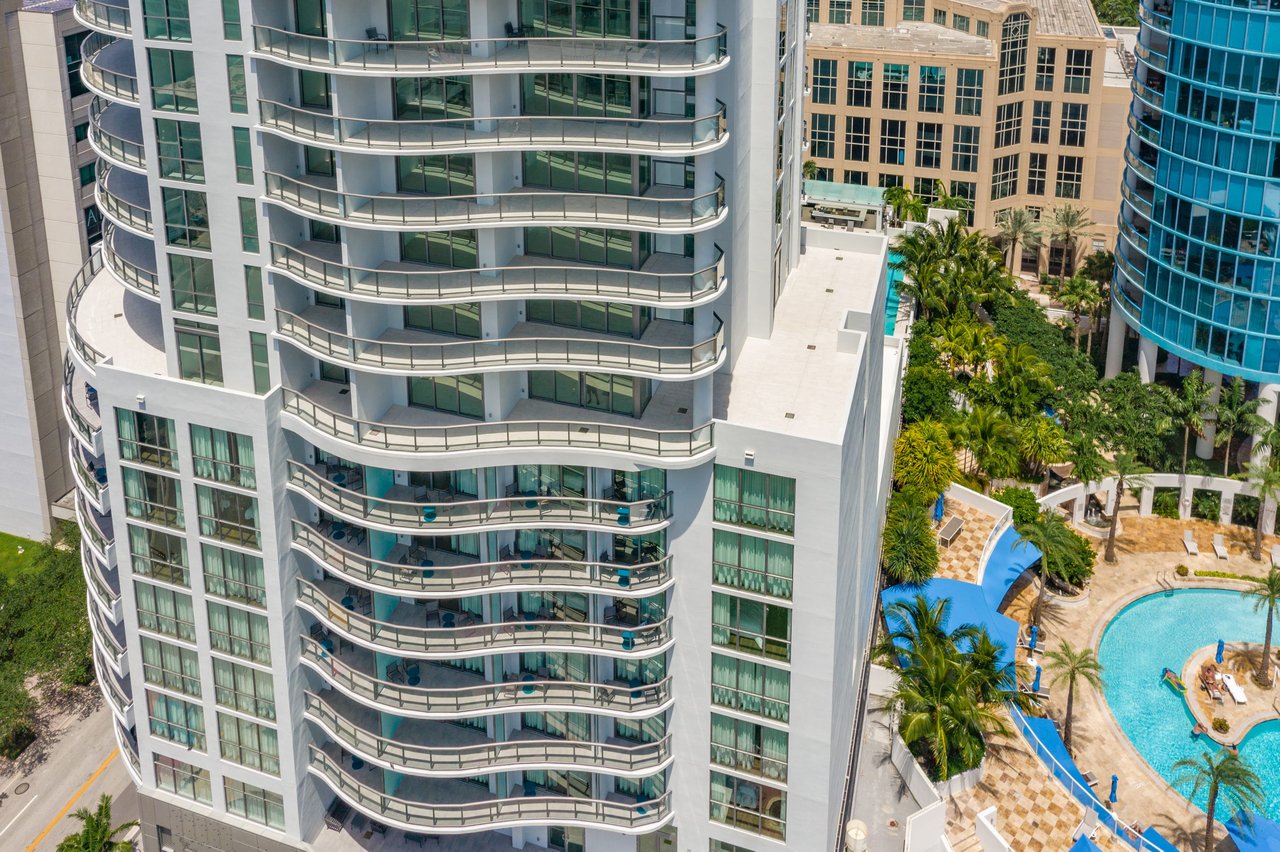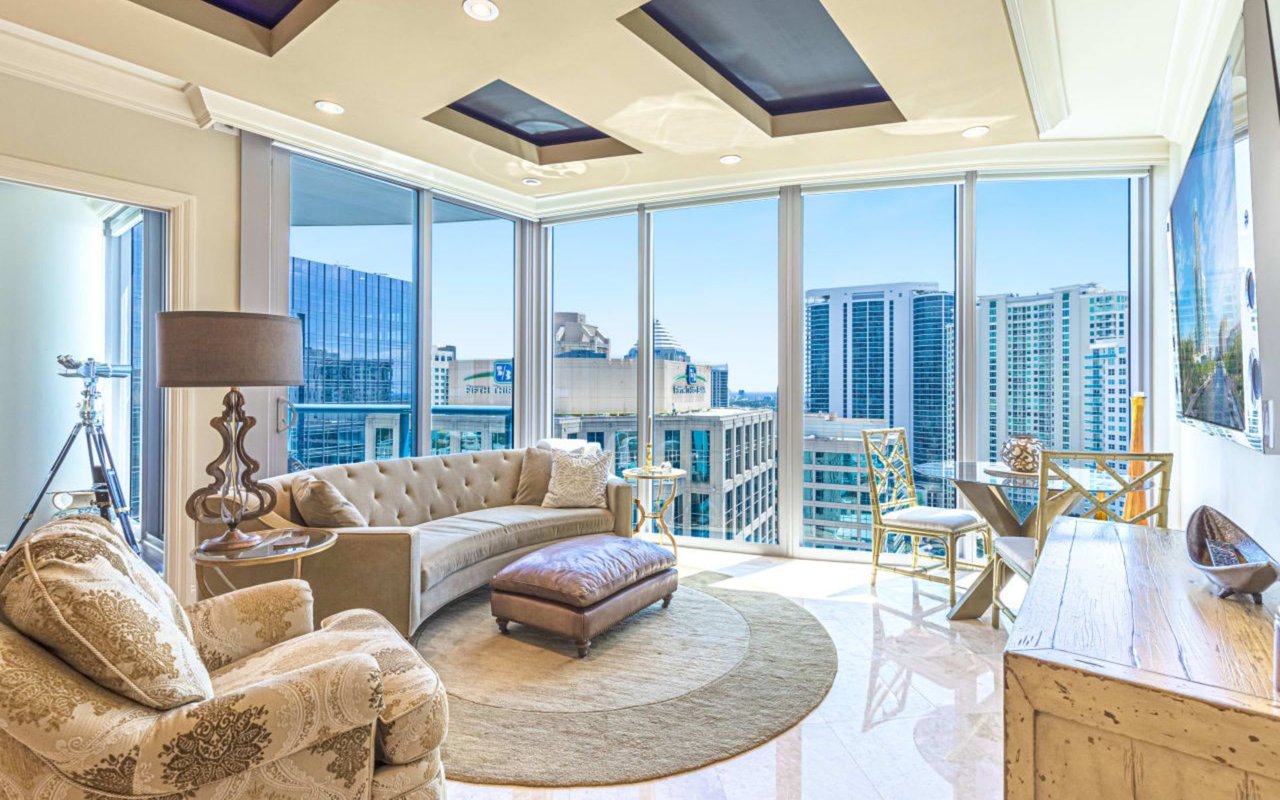
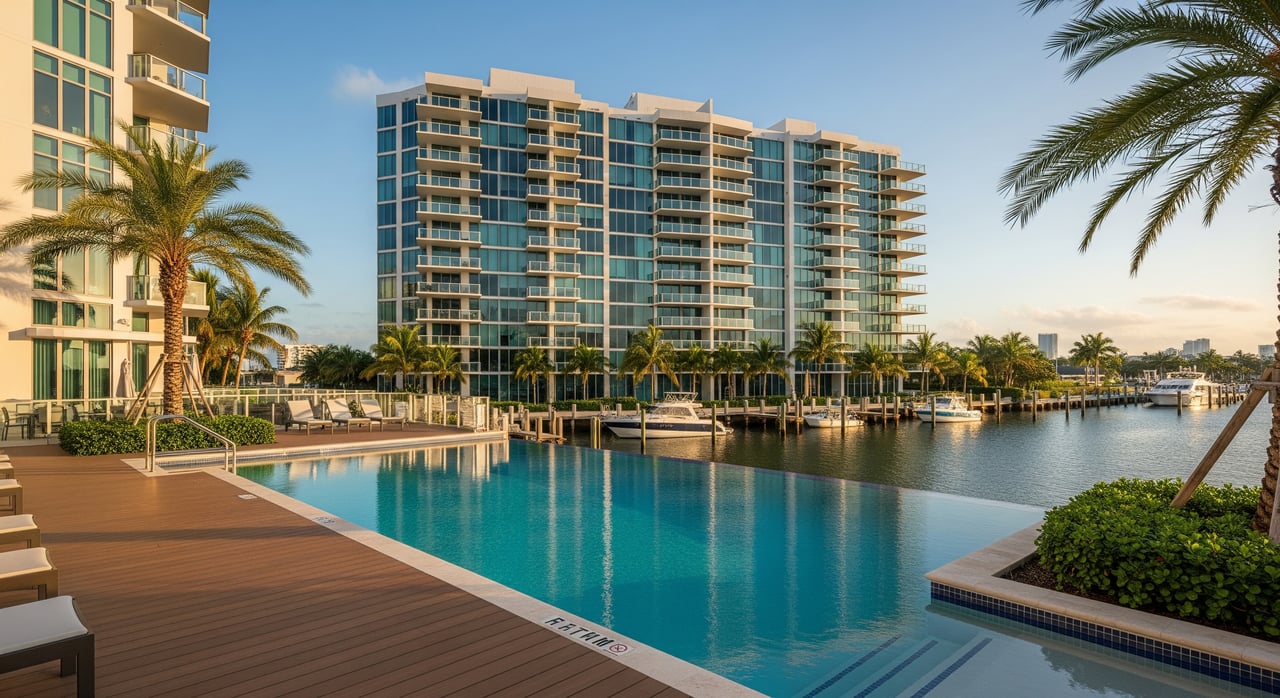
Ever wonder why two similar Fort Lauderdale condos can have very different loan terms and timelines? If you are shopping towers in South Fort Lauderdale, especially along Las Olas and the beach corridor, the answer often comes down to whether the building is warrantable or non-warrantable. That status affects your loan options, rate, down payment, and even your ability to close on time. In this guide, you will learn what each status means, how lenders evaluate buildings, the risks to watch, and the practical steps to move forward with confidence. Let’s dive in.
What “warrantable” means
A condo is considered warrantable when it meets the project standards used by conventional mortgage buyers and government programs. Lenders rely on these standards to decide if they can sell the loan on the secondary market or must keep it on their books. When a project is warrantable, you usually see better pricing, more loan choices, and a smoother approval path.
A non-warrantable condo does not meet those project standards. That does not end your purchase, but it can limit loan options and raise costs. Some lenders will not lend in these projects at all, which is why early verification is critical.
Why it matters in South Fort Lauderdale
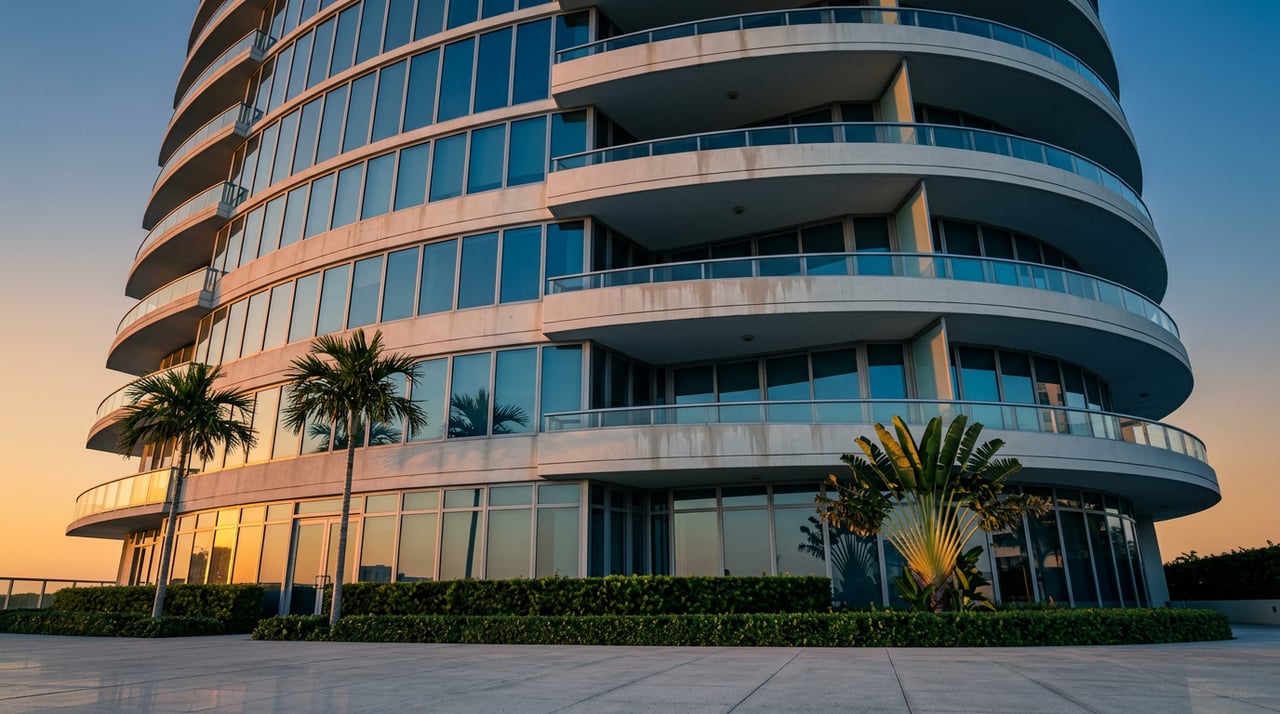
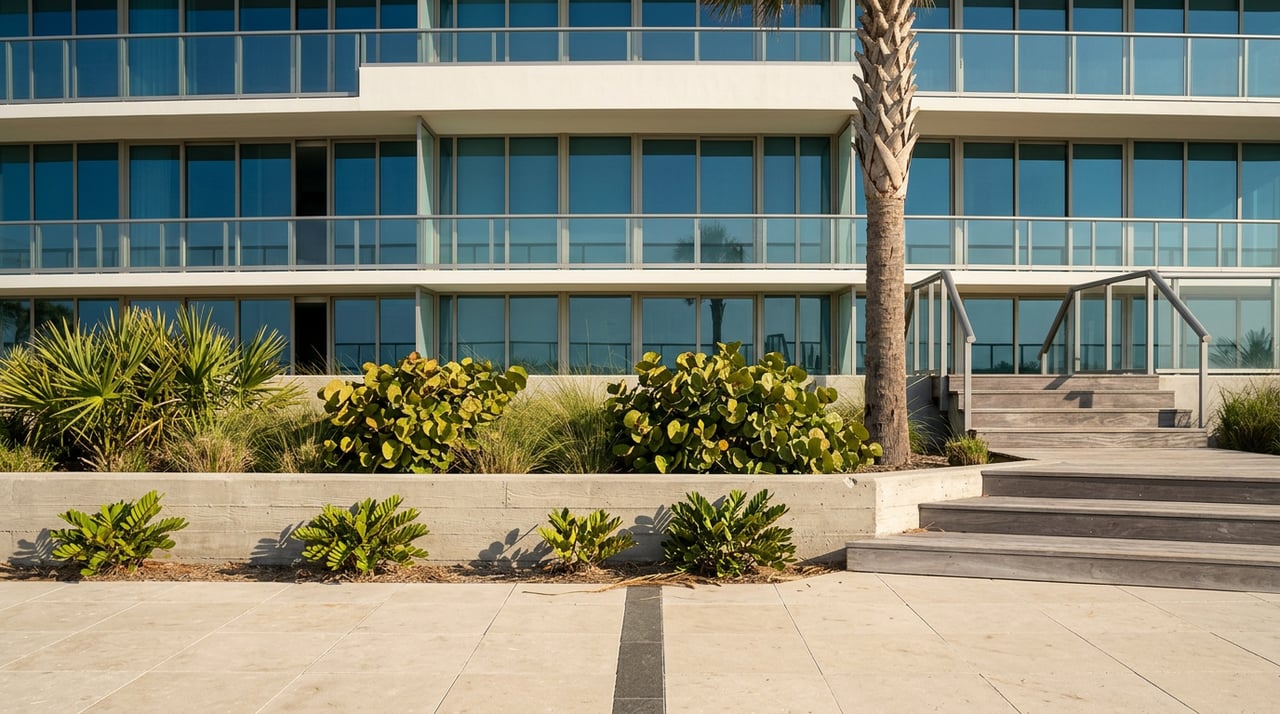
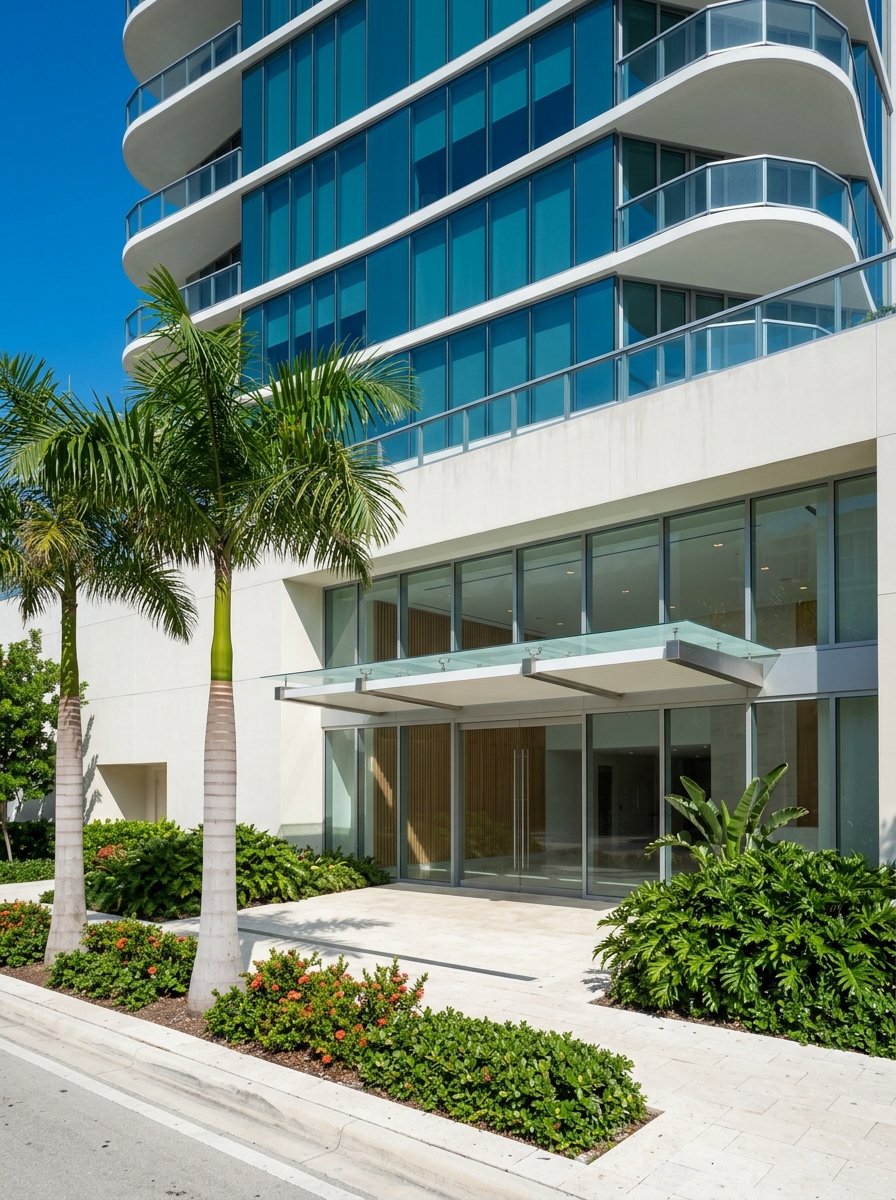
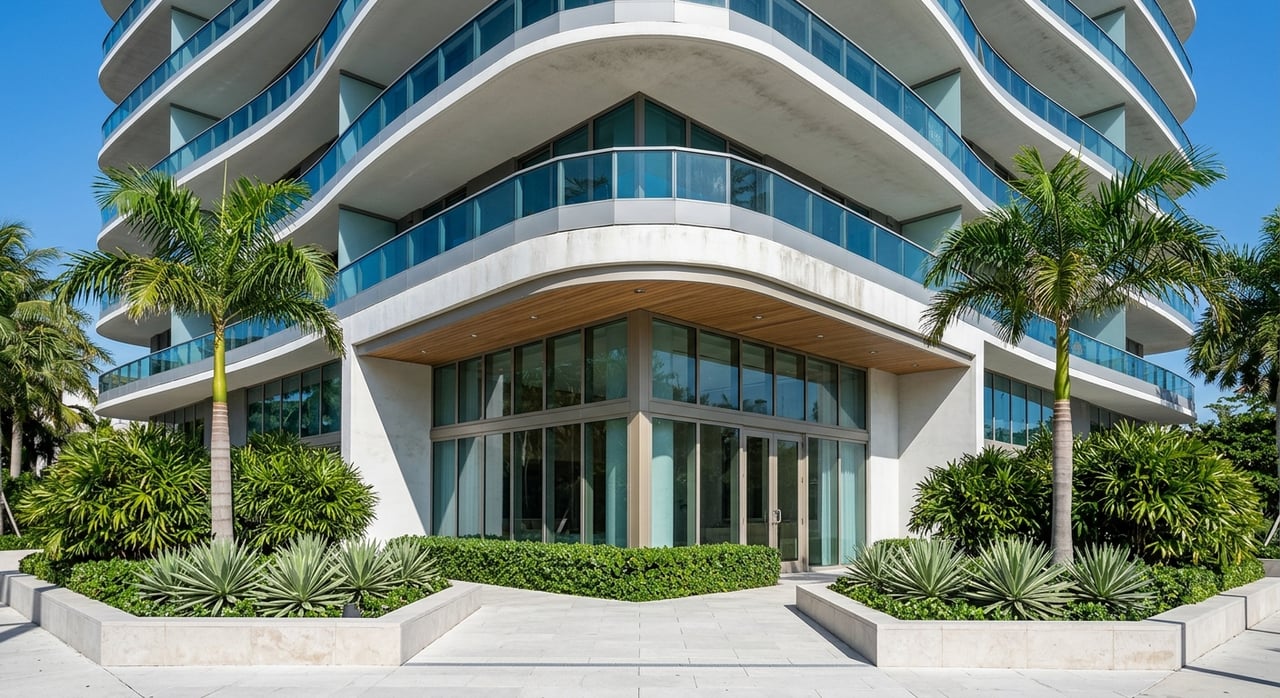
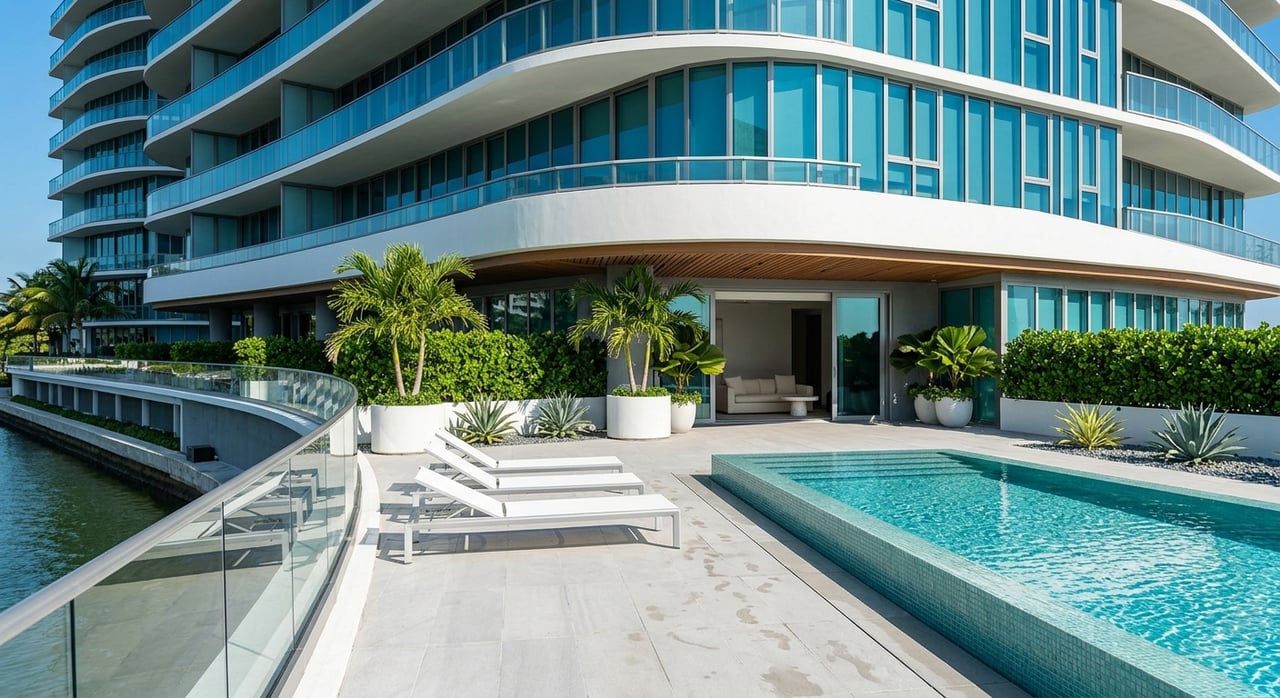
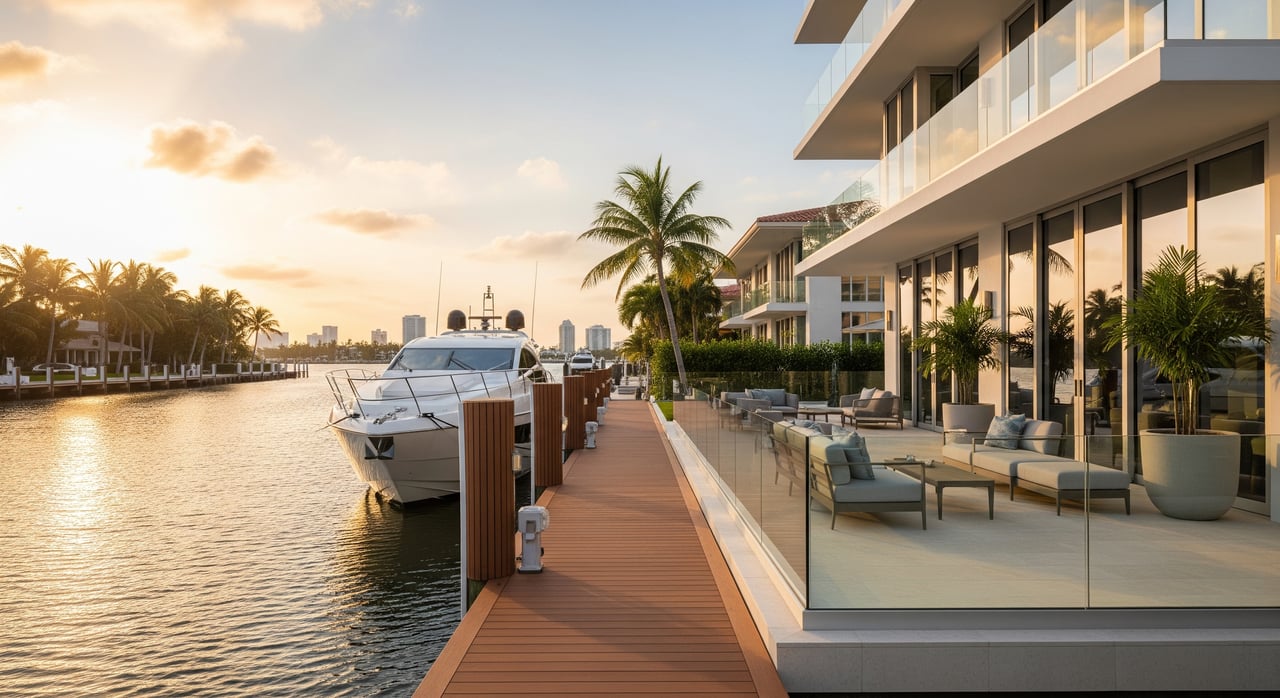
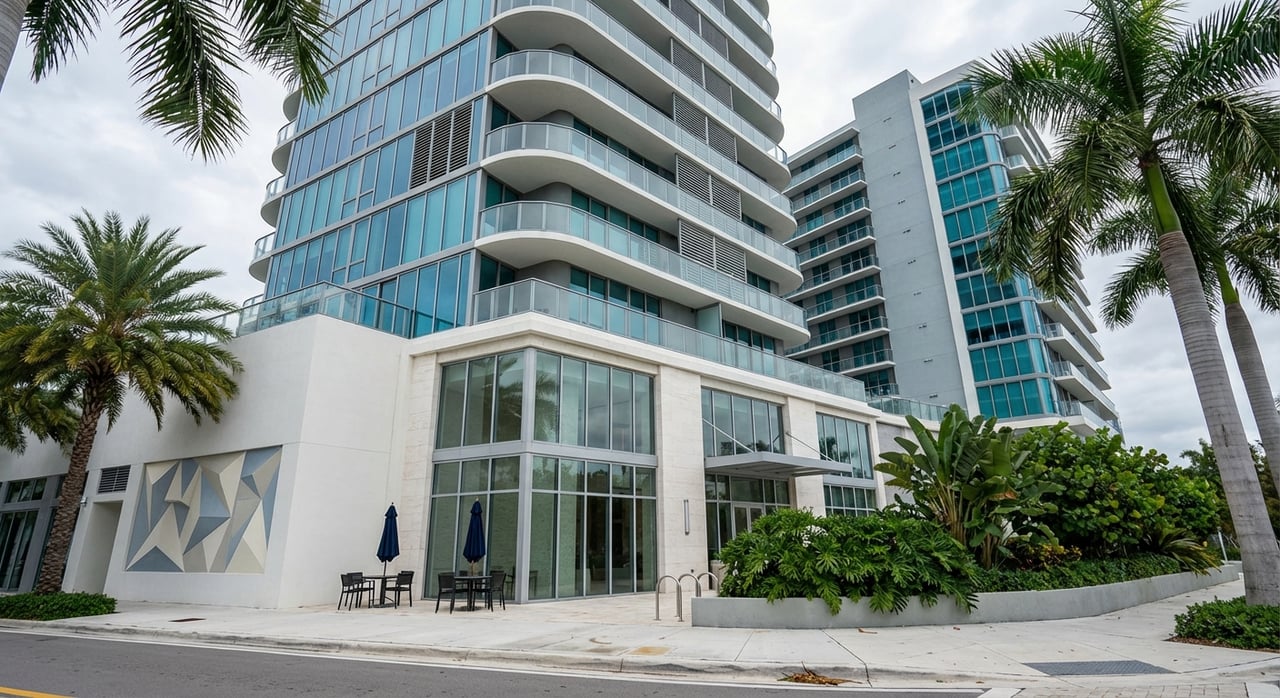
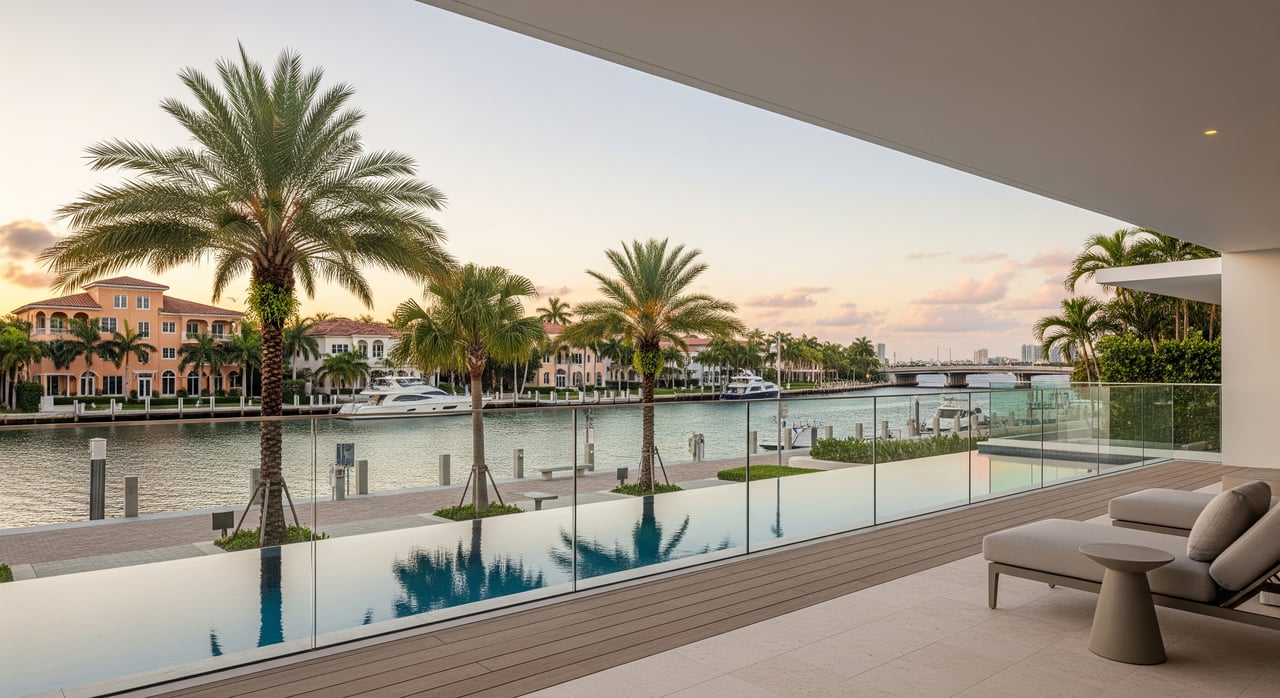
Many buildings in South Fort Lauderdale are mid and high-rise coastal towers. Lenders look closely at insurance coverage for wind and flood, the building’s age and structural history, and whether the association funds future repairs. Since the 2021 Surfside collapse, Florida increased scrutiny on inspections and reserves. This has raised attention on older high-rises, especially along Las Olas and the beachfront.
When a building’s status changes during escrow because of new litigation, insurance shifts, or reserve questions, a loan that looked fine at the start can be delayed or denied late in the process. Getting the right documents early reduces that risk.
What makes condos non-warrantable
Lenders review project-level items before approving loans. These are common disqualifiers that can push a project into non-warrantable territory:
- Significant litigation involving the association or common elements.
- Inadequate reserves or no recent reserve study when required.
- High investor concentration or low owner-occupancy.
- Short-term rentals allowed without limits, or a high short-term rental share.
- A single entity owning many units.
- A large commercial share that exceeds program allowances.
- Insufficient master insurance, high deductibles, or gaps in wind or flood coverages.
- Incomplete construction or continuing developer control.
- Evident deferred maintenance or failing systems.
- High association delinquency rates.
Exact thresholds vary by program and lender, and lenders often apply stricter internal rules. Always confirm current criteria with your selected lender.
Financing options by status
Warrantable loan choices
- Conventional conforming loans with competitive rates and standard down payments.
- Jumbo financing when the loan amount exceeds conforming limits, with pricing based on your profile.
- FHA or VA financing if the project is approved under those programs and meets their specific condo rules.
Non-warrantable loan choices
- Portfolio loans from banks or credit unions that keep the loan. Terms vary and rates may be higher.
- Specialty condo lenders that work with non-warrantable projects, often at higher rates and with larger down payments.
- FHA or VA loans if the building holds active approvals under those programs.
- Jumbo loans from non-agency or portfolio sources.
- Private financing or cash if speed or certainty is the priority.
Pricing and down payment impacts
Non-warrantable loans typically come with higher interest rates and larger down payments. Many lenders also require stronger reserves and tighter debt-to-income ratios. While programs vary, you should be prepared for down payments in the 10 to 30 percent range or more for some non-warrantable scenarios. If the building is FHA or VA approved, low down payment options may be available under those programs.
Closing risks and timing
- Project recertification near closing: Lenders often refresh their review shortly before closing. New litigation, rising delinquency, or insurance changes can jeopardize approval.
- Paperwork delays: Gathering association budgets, reserves, insurance certificates, meeting minutes, and litigation letters can take time, especially in older or less responsive associations.
- Insurance and flood: Coastal properties in Broward County may require specific windstorm and flood policies. Quote timing and premiums can affect approval and your final cash to close.
Mitigate risk by locking down association documents early, keeping your lender updated, and confirming insurance terms as soon as you are under contract.
Lender documents to gather
Expect your lender to request project-level items such as:
- Recorded declaration, articles, and bylaws.
- Current budget, year-to-date financials, reserve study, and reserve balances.
- Certificates of insurance, including wind and flood, with coverage limits and deductibles.
- Last 12 months of association meeting minutes.
- A litigation letter from the association’s attorney.
- Owner roster with owner-occupancy data.
- Rental and short-term rental policies and rules.
- The association’s completed condo questionnaire or project information form.
- Management contracts if professionally managed.
- Delinquency rates and collections evidence.
- For new construction, completion documentation and developer control disclosures.
Smart steps for buyers
- Choose a condo-experienced lender: Ask about recent loans in South Florida high-rises and whether they have reviewed your target building type.
- Build document deadlines into the contract: Require the seller or association to provide key documents within a set time, often 7 to 10 days, to allow a timely lender review.
- Budget for association fees: Associations may charge for estoppel certificates or document packages; confirm fees and timelines at offer stage.
- Confirm insurance early: Get hazard, wind, and flood quotes to understand premiums and potential deductible exposure before loan approval.
- Coordinate appraisal and inspections: For older coastal buildings, lenders might ask for structural or engineering reports. Confirm availability and timing.
- Verify building inspection status: For buildings near or over 30 to 40 years old, request recent engineering or recertification reports.
Seller checklist to speed deals
If you are selling a South Fort Lauderdale condo, prepare a clear “deal packet” before listing:
- Current budget, reserve study, and reserve balances.
- Certificate of insurance for master, wind, and flood policies.
- Attorney’s litigation letter and recent association minutes.
- Owner roster with owner-occupancy data and rental policies.
- Completed or ready-to-complete condo questionnaire.
- Notes on planned capital projects or special assessments.
Proactive documentation reduces buyer anxiety, supports better pricing, and helps avoid last-minute surprises that derail closings.
Quick red flags to check
- Is there pending litigation that could lead to assessments or delays?
- Are reserves adequate for the building’s age and scope of common elements?
- What is the owner-occupancy rate and how many units are investor-owned?
- Are short-term rentals allowed and how many units use them?
- Are there planned special assessments or recent large assessments?
- Are wind and flood insurance limits and deductibles aligned with lender expectations?
When cash or portfolio fits
Cash or portfolio loans can be smart when the project is non-warrantable but you want the unit anyway, when you need to close quickly, or when you can absorb higher carrying costs or potential assessments. Investors pursuing unique pricing opportunities often use these strategies to move fast and avoid re-certification risk.
Local advantage with a hyperlocal team
In South Fort Lauderdale, building-specific knowledge matters. Associations change, insurance programs adjust, and structural reports are updated. You gain an edge when your agent already knows the managers, the documents they can provide quickly, and the questions lenders will raise for that specific tower.
D’Angelo Realty Group is based on Las Olas and specializes in downtown and waterfront condos. The team’s building-level relationships, 1,400-plus condo sales, and on-the-ground presence help you surface issues early, connect with the right lender, and assemble complete packages that keep deals on track. Whether you are buying or selling, that local coordination shortens timelines and improves outcomes.
Ready to navigate warrantability with confidence or prep your building for market? Reach out to D’Angelo Realty Group to discuss your goals and request a Free Condo Market Valuation.
FAQs
What is a warrantable condo and why does it matter?
- A warrantable condo meets project standards used by major loan programs, which usually means more loan choices, better pricing, and smoother approvals.
How can I check a South Fort Lauderdale building’s status?
- Ask your lender for a condo questionnaire and project review early, and request association budgets, reserves, insurance, minutes, and a litigation letter.
Can I use FHA or VA in Fort Lauderdale condos?
- Yes, if the specific project holds active FHA or VA approvals and meets those agencies’ condo requirements.
How did post‑Surfside changes affect condo loans?
- Lenders and insurers focus more on structural inspections, reserve funding, and disclosures, especially for older coastal high-rises.
Can a non-warrantable building become warrantable again?
- Often yes; if issues like litigation, reserves, or insurance are resolved, the project may qualify under current guidelines after re-review.
What down payment should I expect on non-warrantable?
- Many portfolio programs require larger down payments, commonly in the 10 to 30 percent range or more, plus stronger cash reserves.
What contract terms protect me as a buyer?
- Include a condo-document contingency with deadlines for association documents and keep financing options open if the project review raises concerns.